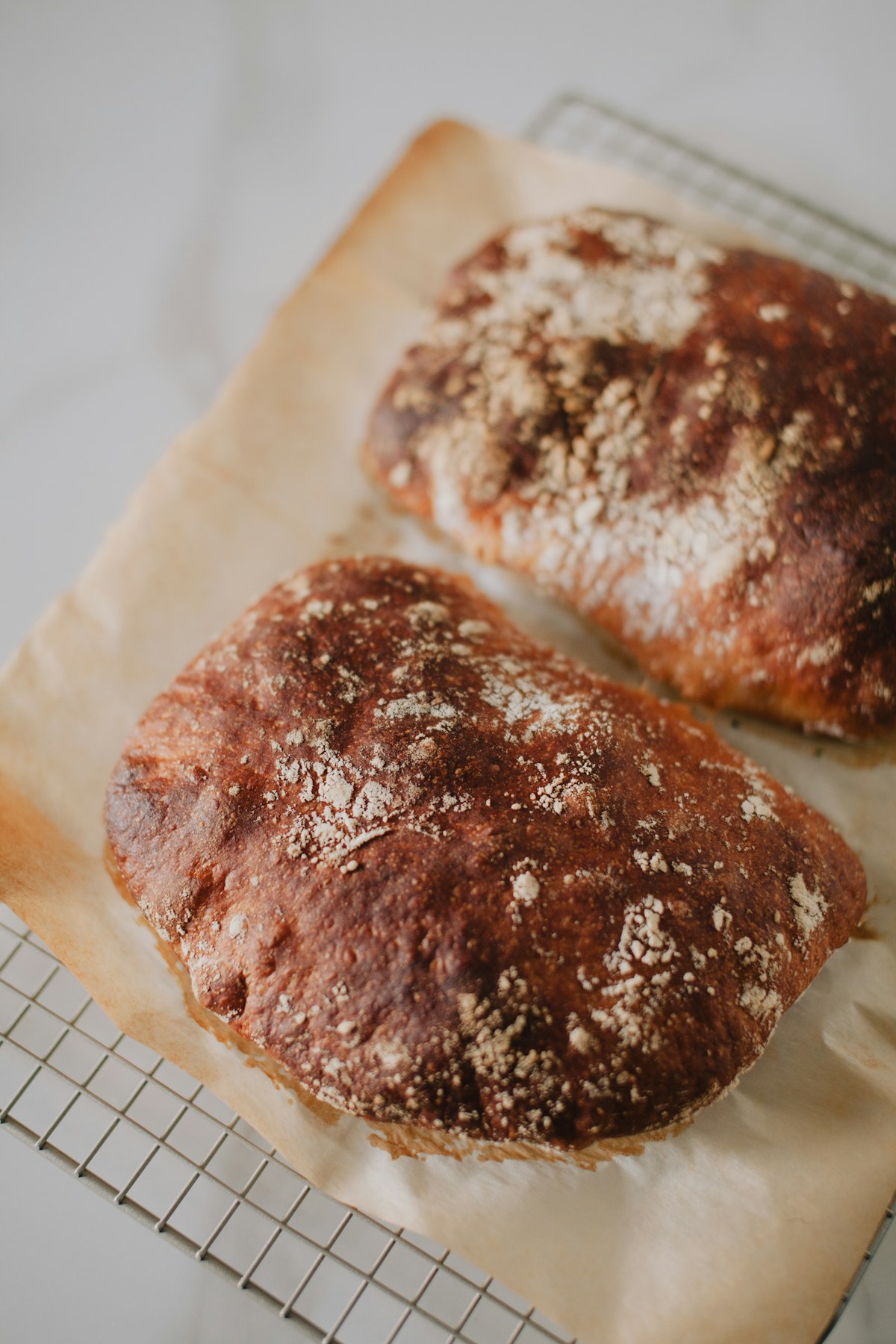
What to look for
Choose bread flour for recipes that call for its structure.
Store it thoughtfully
Store airtight, cool and dry. Freeze well sealed for longer storage and prevent condensation when opening.
How to use it
Use in many lean breads and pizza doughs; adjust only according to the recipe.
When you need a substitute
All-purpose flour may work in some formulas, with different absorption and texture.
Substitutions change flavor, texture, and sometimes safety or structure. Check the recipe and product labels, especially for dietary needs.
Practical kitchen notes
What changes compared with all-purpose flour
Bread flour generally has more protein than all-purpose flour and can build a stronger, chewier gluten network. Brand differences matter. It suits pizza and many yeast breads, but is not automatically better for tender pancakes or cakes. A substitution may require a small water adjustment rather than a fixed universal conversion.
Work by weight and feel
Weigh flour for pizza dough; scooping a packed cup can add more flour than intended. Mix first and allow the dough to rest briefly before deciding it needs extra water. Knead until smoother and elastic rather than adding flour every time it feels tacky.
Troubleshooting dough
A dough that snaps back during shaping may need a covered rest, not force. If it tears immediately, avoid stretching thin spots and give it more time to relax. A dense crust can come from too much added flour, inadequate rise or a thick topping layer; change one variable at a time.
Storage and safety
Store dry and sealed, away from odors and pests. Flour is a raw ingredient: do not taste raw dough or use uncooked flour as a ready-to-eat garnish. Clean dusty work surfaces after shaping. For an all-purpose substitute, expect a softer crust and evaluate dough texture during mixing.