What to look for
Choose clean, uncracked eggs sold refrigerated.
Store it thoughtfully
Keep refrigerated in their carton at 40°F or below.
How to use it
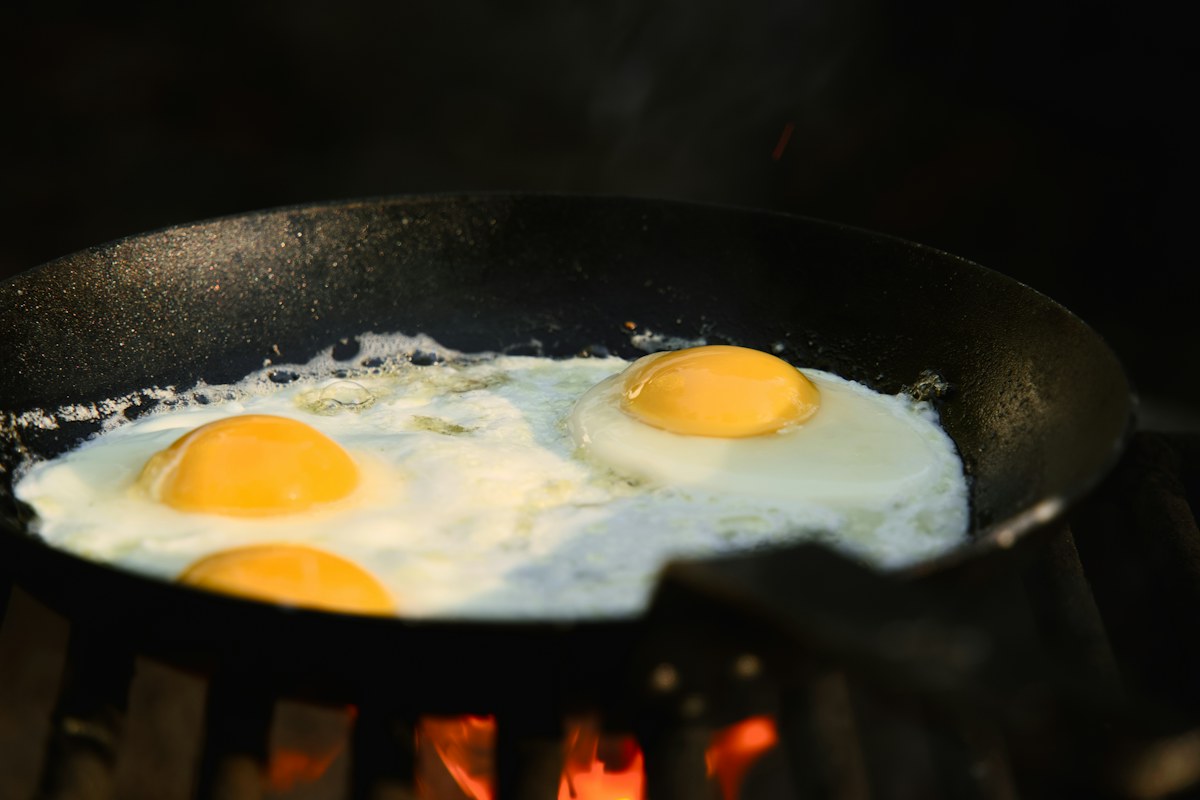
Cook whole eggs until whites and yolks are firm; cook egg dishes to 160°F.
When you need a substitute
Egg replacements depend on the role: binding, foaming and thickening need different solutions.
Substitutions change flavor, texture, and sometimes safety or structure. Check the recipe and product labels, especially for dietary needs.
Practical kitchen notes
Size and purpose
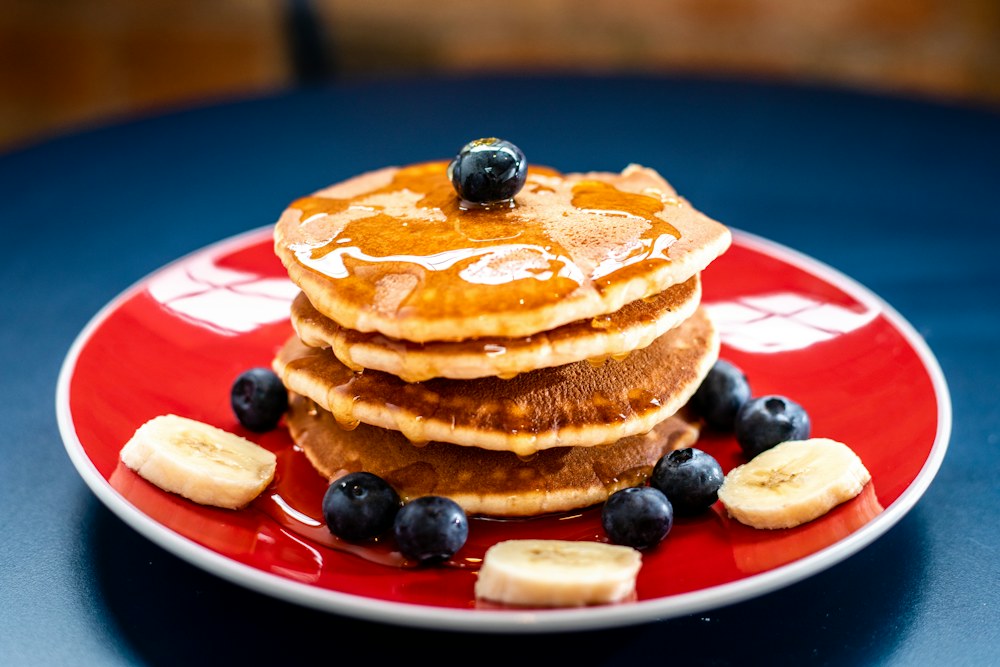
Use the egg size specified in baking recipes; changing size changes liquid and structure. Whisking an egg before dividing helps distribute white and yolk, but fractional eggs require judgment when scaling. Eggs bind pancakes, emulsify some sauces and provide structure when heated.
Control the heat
For scrambled eggs, lower heat and frequent gentle stirring reduce the risk of rubbery curds. A hot pan can set the bottom before the top cooks. In pancake batter, let melted butter cool so it does not begin cooking the egg while mixing.
Safety takes priority
Keep eggs refrigerated and avoid cross-contact from shells and raw egg. Do not taste raw batter. Cook eggs until whites and yolks are firm, or follow authoritative guidance for the dish; egg dishes should reach 160°F / 71°C. People at greater risk should avoid raw or undercooked eggs and use pasteurized products for recipes requiring them.
Substitution is functional
A plant-based egg substitute in pancakes is different from replacing an egg in a custard or an emulsion. Choose a recipe designed for the substitute rather than assuming one replacement works everywhere. Recheck allergens when using prepared substitutes.