What you will learn
Turn a starch, protein, vegetable, and flavor base into dinner before buying more food. The goal is not merely to copy motions. You will learn why the sequence works, which clues matter, and what to change when your stove, pan, ingredient size, or timing differs.
Why it matters
Beginners are often given short instructions without the decisions behind them. This lesson turns the vague parts into actions you can observe and repeat, so an ordinary variation does not force you to guess.
What you need
Pantry list, saucepan or skillet, and one flexible recipe idea.
Before you start
Check dates, package condition, and safe storage. Bulging cans, pest-damaged packages, rancid smells, or uncertain foods should not be used.
Choose a backbone
Start with pasta, rice, couscous, tortillas, or potatoes. Use the type whose cooking time fits your evening.
Add a practical protein
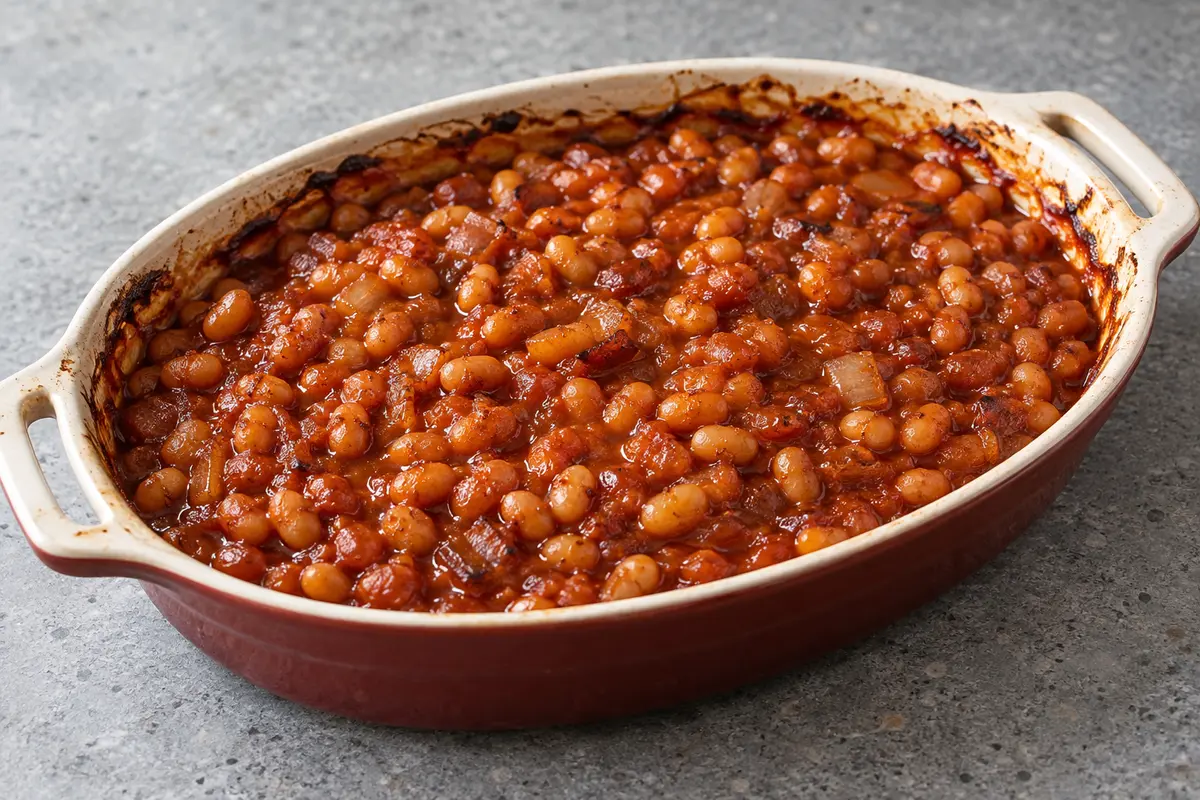
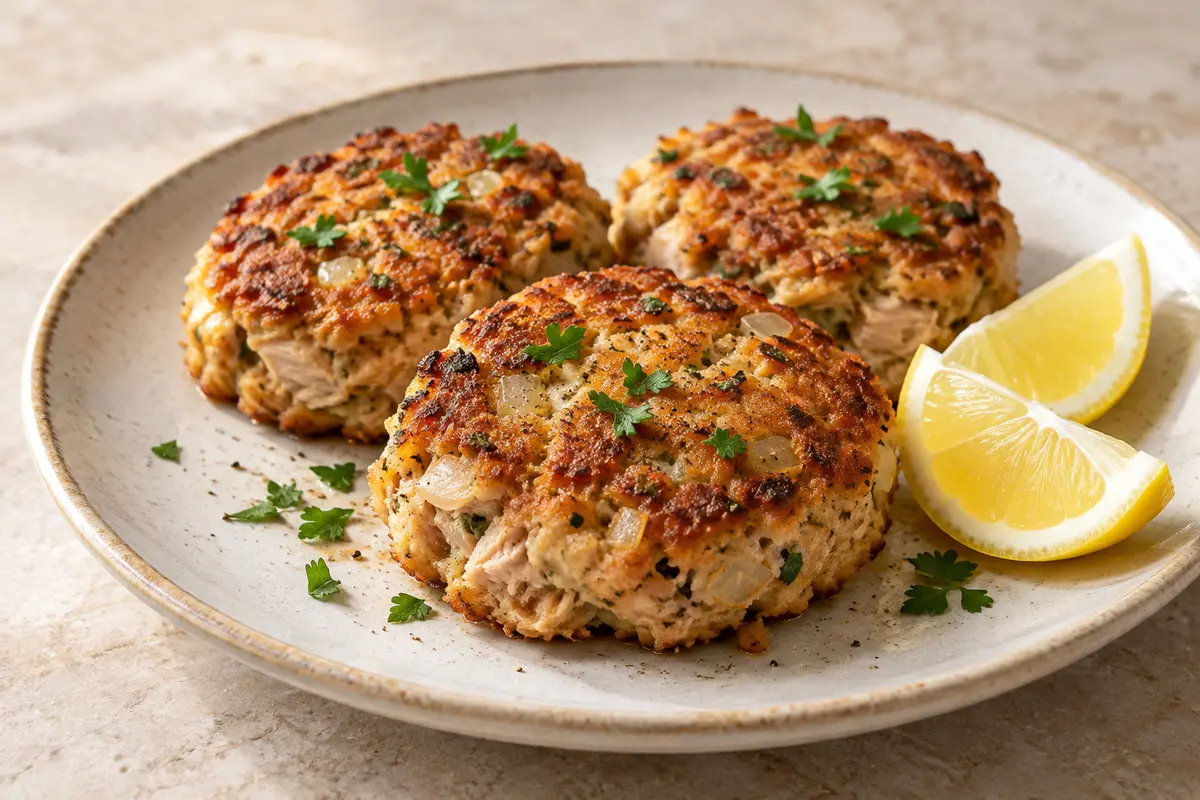
Beans, lentils, canned fish, eggs, or shelf-stable tofu can make the meal more substantial.
Find a vegetable
Use frozen vegetables, canned tomatoes, jarred peppers, or a fresh item that needs using soon.
Build a flavor direction
Pick one coherent combination: tomato and oregano, curry spice and coconut, or cumin and lime. Avoid adding every condiment.
Finish for contrast
Add acid, herbs, toasted crumbs, seeds, or a small amount of cheese when available.
What good progress looks like
The meal has a clear flavor direction, enough moisture, a filling base, and at least one contrasting texture or fresh note.
Common mistakes and a useful response
Combining random cans without draining, seasoning, or considering salt often makes a muddy dish. Pantry food still has storage and spoilage limits.
A small practice exercise
Inventory five pantry items and design one meal using no more than one additional fresh ingredient.
Keep the exercise small enough that you can pay attention. Repeating one controlled action teaches more than changing several variables in a complicated meal.