Read for dependencies
Read the full recipe, including resting, chilling and preheating. Mark anything that must happen before another step: drained beans, softened butter, cooked rice or a sauce that needs reducing. A 20-minute cooking time does not include an overnight marinade.
Build your station
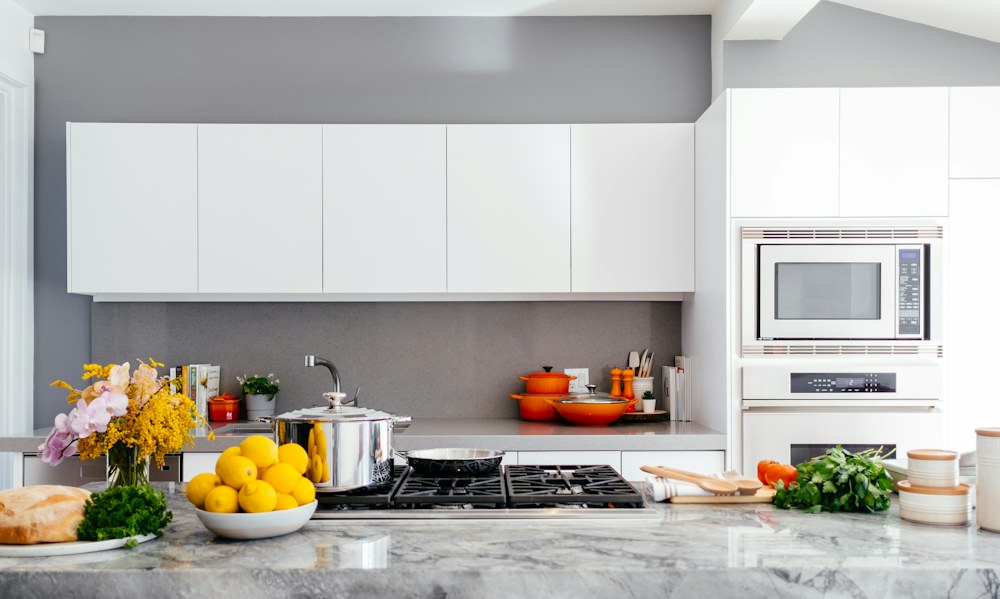
Secure the board, clear a landing space for hot pans and set out the correct utensils. Put a scrap bowl near the board. Measure ingredients that cook together into one bowl; keep ingredients added at different times separate. This prevents garlic from burning while you search for the next spice.
Prep in a sensible order
Wash produce before cutting. Prep ready-to-eat foods before raw meat; use separate equipment or wash and sanitize between tasks. Keep perishables refrigerated until needed. Group ingredients left to right in cooking order, with a clean spoon for tasting.
Adapt instead of over-prepping
For a stir-fry, complete nearly all prep first. For a long simmer, start the base and finish garnishes while it cooks. The goal is to remove time-sensitive decisions, not to use every bowl you own. Label similar powders and keep salt separate from sugar.
Your next kitchen exercise
Choose one familiar recipe. Write a five-line prep list, arrange the ingredients, and cook without leaving the stove to find an item.