Write a backwards schedule
Set a realistic serving time, then list each dish’s cooking, resting and finishing needs. Start the longest hands-off task first. Include oven preheating, water coming to a boil and equipment cleanup; those hidden steps often cause the scramble.
Identify bottlenecks
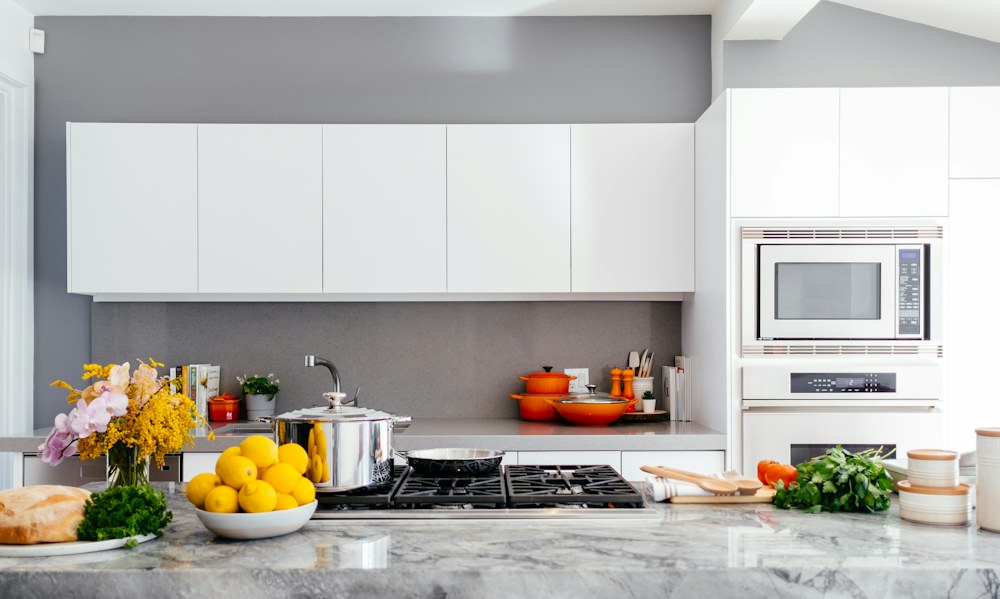
Two dishes cannot occupy the same small pan at once. Check burner space, oven temperatures, cutting boards and serving dishes before starting. When cooking for guests, choose one last-minute dish and make the others more forgiving.
Use holding time deliberately
A salad can be washed ahead and dressed at the end. A roast may rest while you finish its sauce. Crisp foods soften when covered and delicate vegetables can overcook while waiting. For longer delays, use proper hot or cold holding rather than leaving perishables on the counter.
Close the loop
Before plating, taste every component, check protein temperature, warm plates if suitable and clear a service area. After dinner, write down the task that ran late. Adjust the sequence next time instead of assuming you simply need to work faster.
Your next kitchen exercise
Plan a three-component dinner on paper, marking one task per five-minute block for the last twenty minutes. Compare the plan with what actually happened.