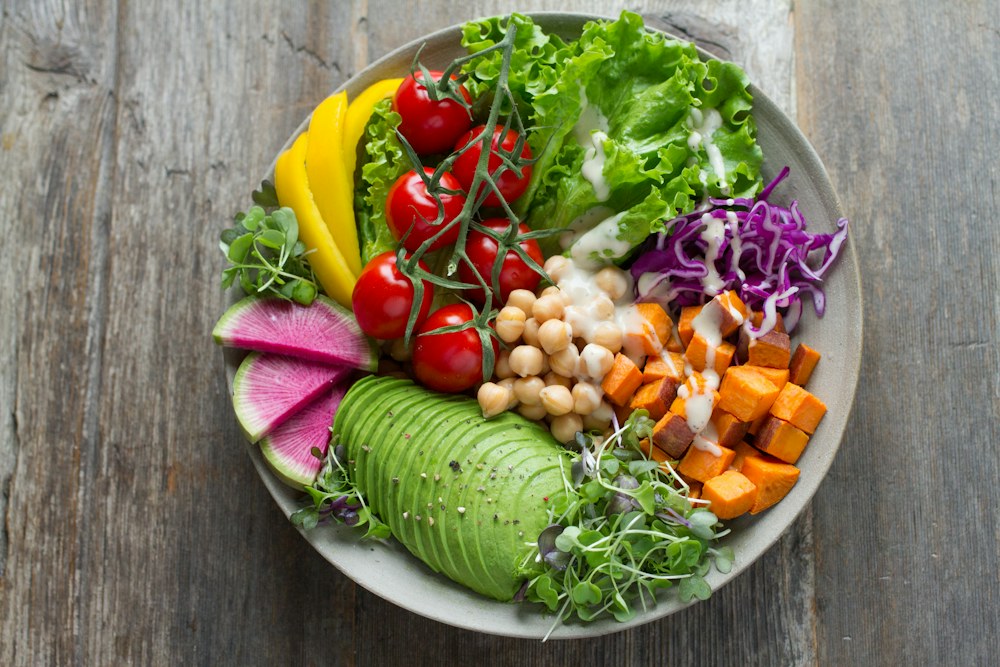
Start with the eating experience
Decide what belongs in one bite. Place sauce where it can reach the main ingredient without soaking every crisp surface. Keep bones, shells and inedible decorations from becoming a surprise. A thoughtful plate is comfortable to eat, not just attractive in a photograph.
Choose a clear focal point
Pick a plate that fits the portion. Set the main component first, then arrange supporting elements to leave some open space. Height can create interest, but unstable stacks collapse and cool quickly. A generous bowl may suit a stew better than a wide restaurant-style plate.
Use contrast that tastes good
Look for a contrast in color, texture or shape already present in the dish. Fresh herbs can brighten brown food; toasted crumbs add crunch to soft textures. Every garnish should contribute a useful flavor. Avoid adding unrelated ingredients solely for color.
Finish cleanly and promptly
Check portions for consistency, add delicate garnishes last and wipe the rim with a clean towel. Serve while food is at its intended temperature. Photograph practice plates briefly, then taste them; an elegant composition that makes the meal cold needs simplifying.
Your next kitchen exercise
Plate the same dinner two ways using the same quantity of food. Compare how easily a fork can gather a complete bite.