Group by cooking speed
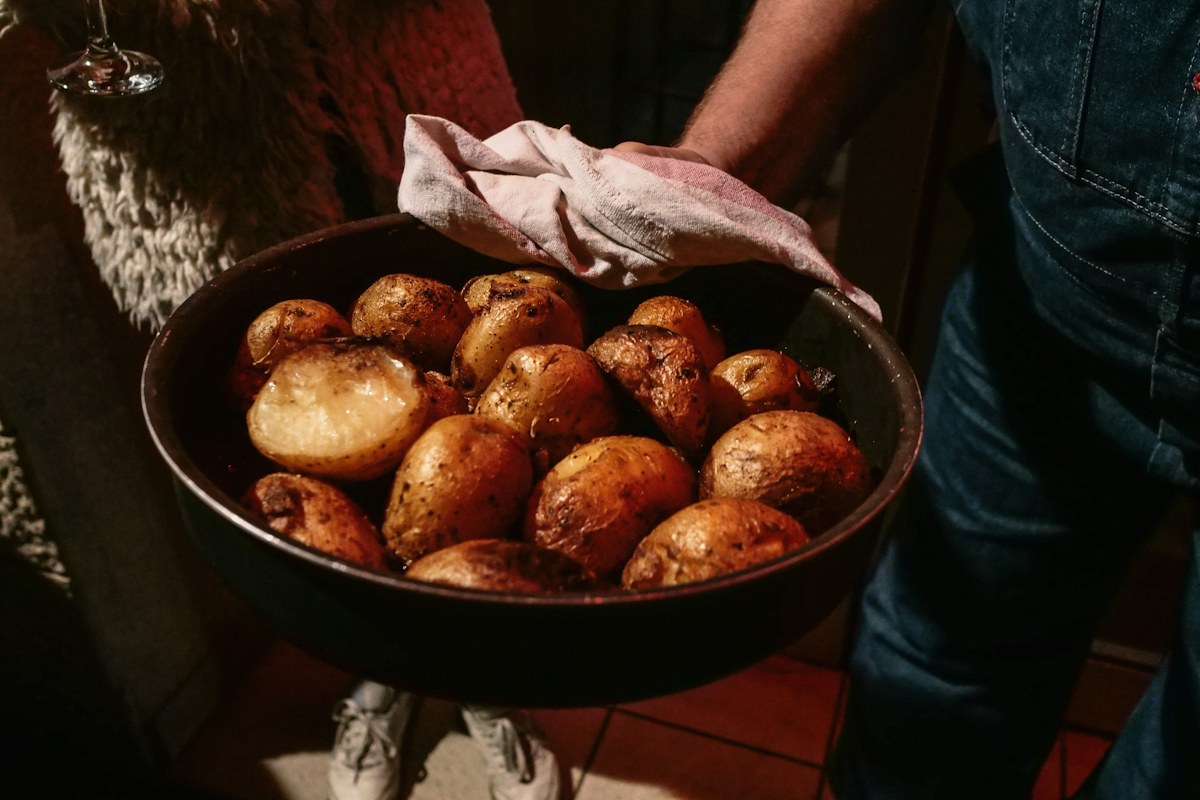
Dense carrots and potatoes take longer than zucchini or asparagus. Cut dense vegetables smaller or start them earlier. Keep pieces similar in thickness within each group so one side of the tray does not finish long before the other.
Dry, coat and spread
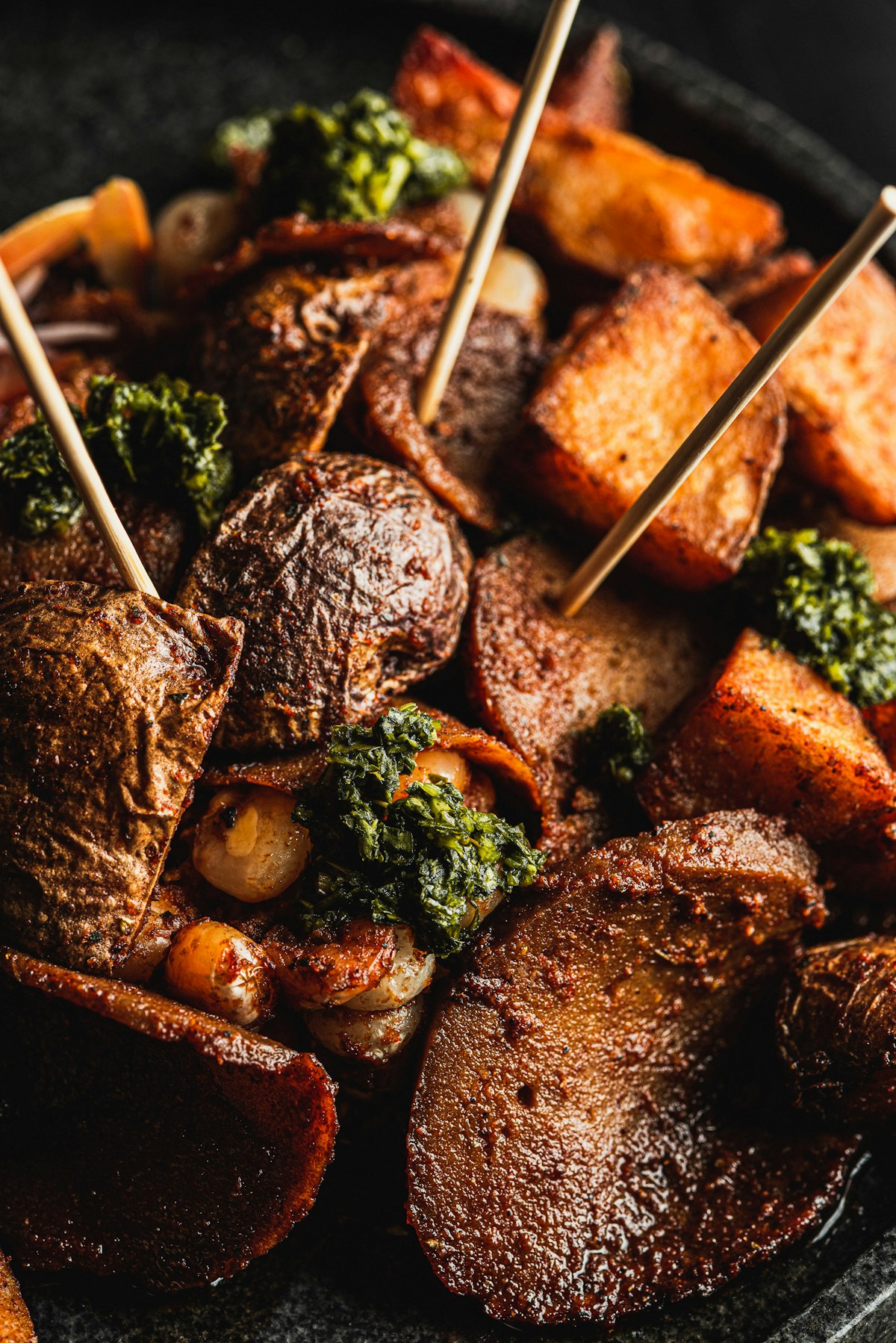
Dry washed produce, toss with enough oil for a light coating and season evenly. Spread on a sturdy rimmed sheet with breathing room. Put a flat cut face against the tray where practical. Crowded vegetables release moisture into one another and brown less effectively.
Use the oven’s behavior
For many vegetables, 425°F is a useful starting point, but follow your recipe and watch delicate pieces. A dark pan and a convection oven can brown more quickly. Rotate the tray if your oven has hot spots and turn vegetables when needed rather than opening the oven constantly.
Finish when browned and tender
Test the thickest piece with a fork; color alone is not enough. If the exterior is ready but the center is hard, lower the heat and continue. Finish with lemon, herbs, grated cheese or a complementary spice. Add delicate herbs at the end so their flavor stays fresh.
Your next kitchen exercise
Roast one tray of evenly cut carrots. Leave half the tray uncrowded and compare its browning with a small clustered section.