Match method to the ingredient
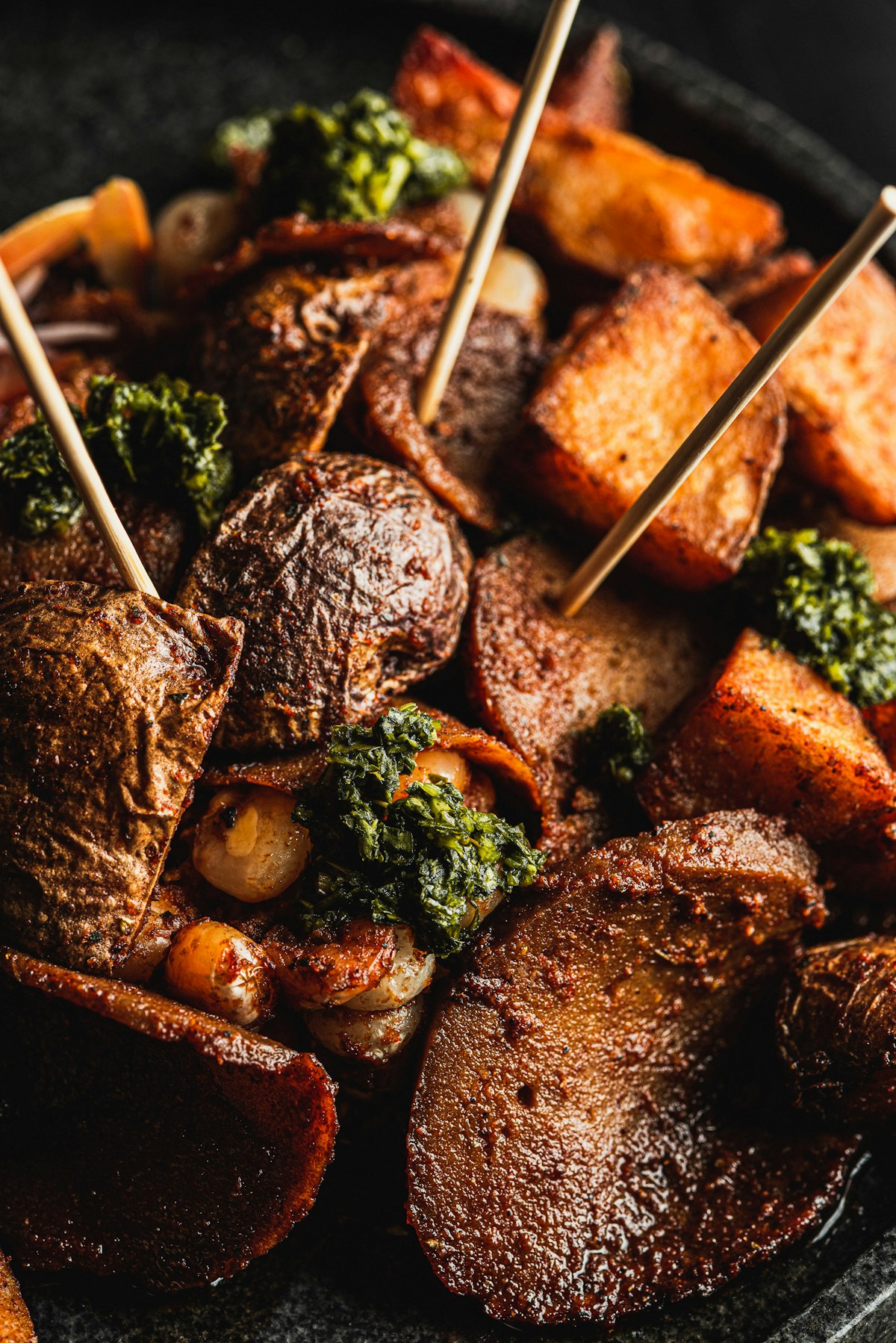
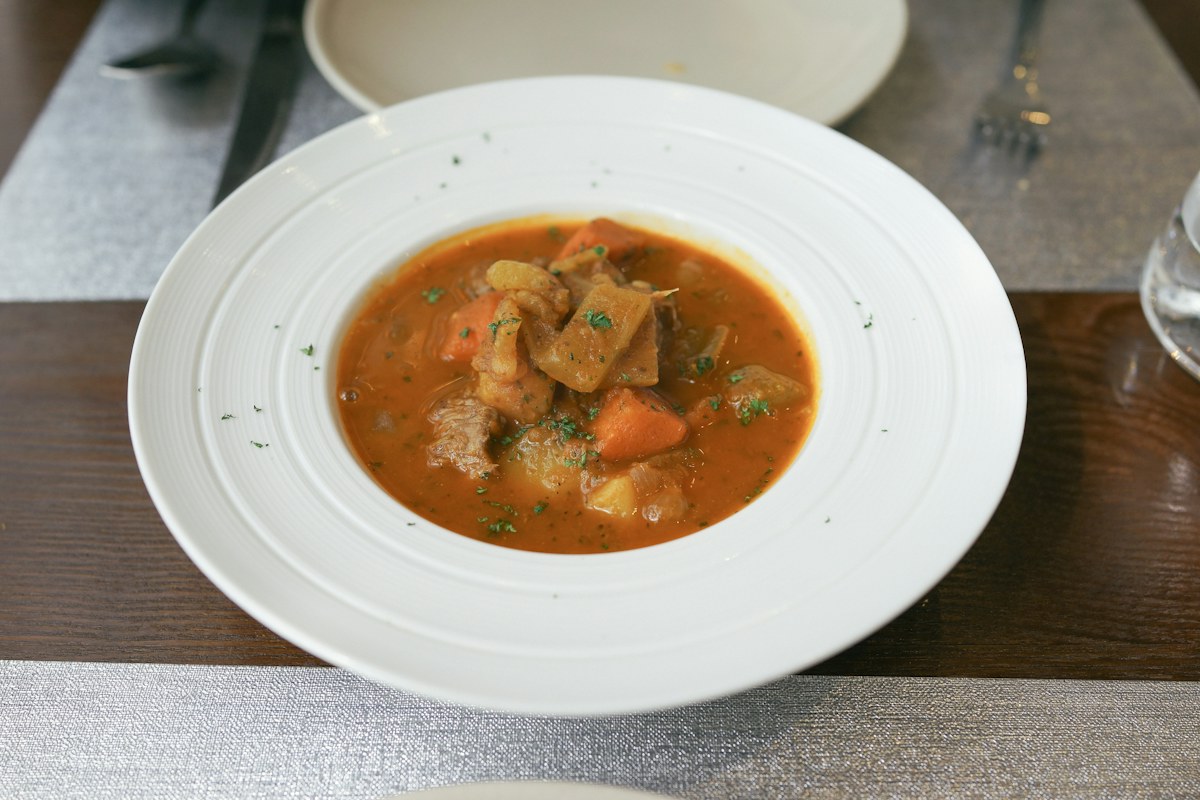
Dry-heat methods such as roasting and sautéing can brown food when surfaces lose enough moisture. Moist-heat methods such as steaming and simmering transfer heat through steam or liquid. Braising combines an optional browning stage with a covered, moist finish.
Read the pan, not just the dial
A burner setting is not a temperature. Pan material, food quantity and burner power all matter. Listen for a steady sizzle when sautéing; reduce heat if aromatics darken before they soften. A thick pan responds more slowly when you change the heat.
Control moisture
Wet surfaces use energy evaporating water before they can brown well. Dry ingredients when browning is the goal, leave room between pieces and cook in batches. For tender results without browning, cover the pot or add measured liquid as the recipe directs.
Use cues and measurements together
Boiling means vigorous bubbling; a simmer shows gentler movement. Tenderness tells you about texture, while a food thermometer checks safe doneness for animal proteins. A deeply browned exterior does not prove the center is cooked. Record your burner settings as a starting point for next time.
Your next kitchen exercise
Cook equal-size carrot pieces by steaming and roasting. Compare color, moisture, sweetness and firmness before adding the same seasoning.