What you will learn
Understand when a full pan traps steam and how to batch without losing momentum. The goal is not merely to copy motions. You will learn why the sequence works, which clues matter, and what to change when your stove, pan, ingredient size, or timing differs.
Why it matters
Beginners are often given short instructions without the decisions behind them. This lesson turns the vague parts into actions you can observe and repeat, so an ordinary variation does not force you to guess.
What you need
A wide skillet or sheet pan, tongs or spatula, and a clean holding plate.
Before you start
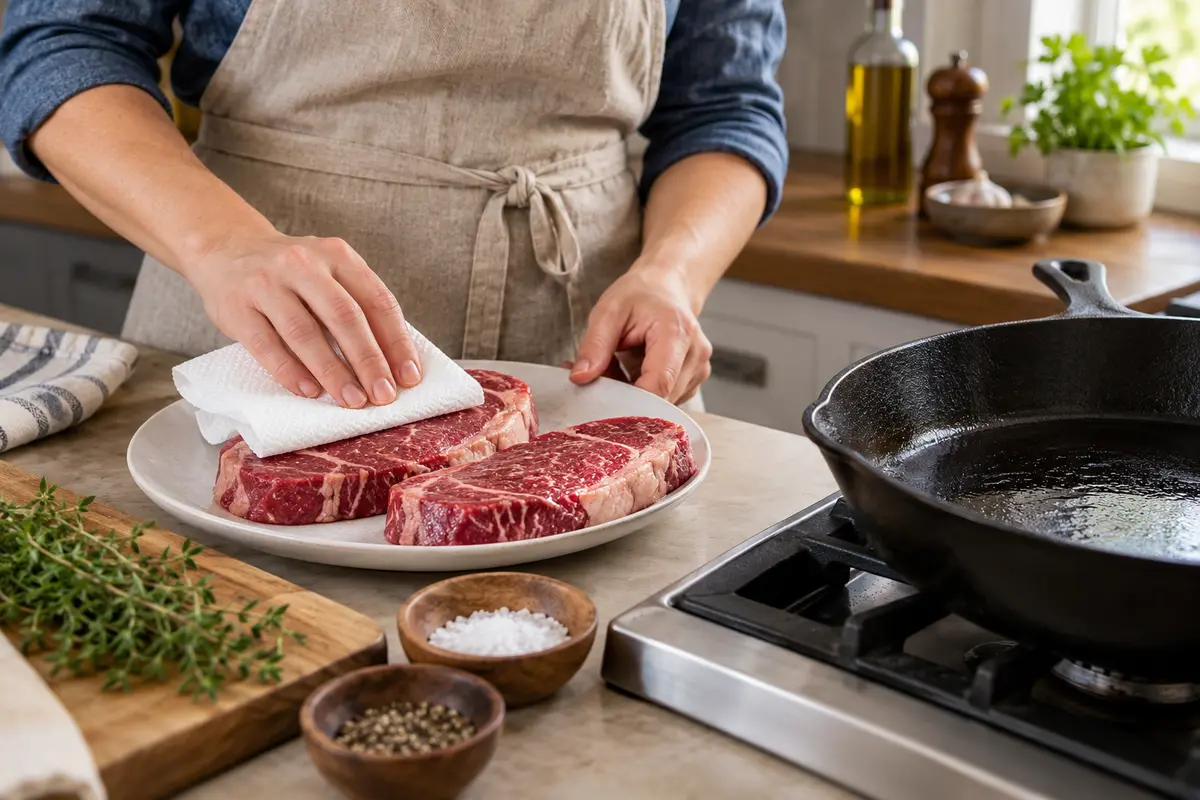
Pat food dry and prepare every batch before the pan heats. For raw meat, reserve a clean plate for the cooked food rather than reusing the raw plate.
Picture a single layer
Arrange pieces so most touch the hot surface and small gaps remain. Piled pieces cannot release moisture efficiently.
Listen after adding
A strong sizzle should recover shortly after food enters. If the sound disappears and liquid pools, the pan temperature has dropped.
Remove a portion
Transfer some pieces back to their prep bowl only if they have not contacted raw meat contamination concerns, or use a fresh container. Let the remaining food regain heat.
Cook in batches
Brown the first batch, move it to a clean plate, and allow the pan to reheat before the next. Combine only when the final method calls for it.
Manage the oven too
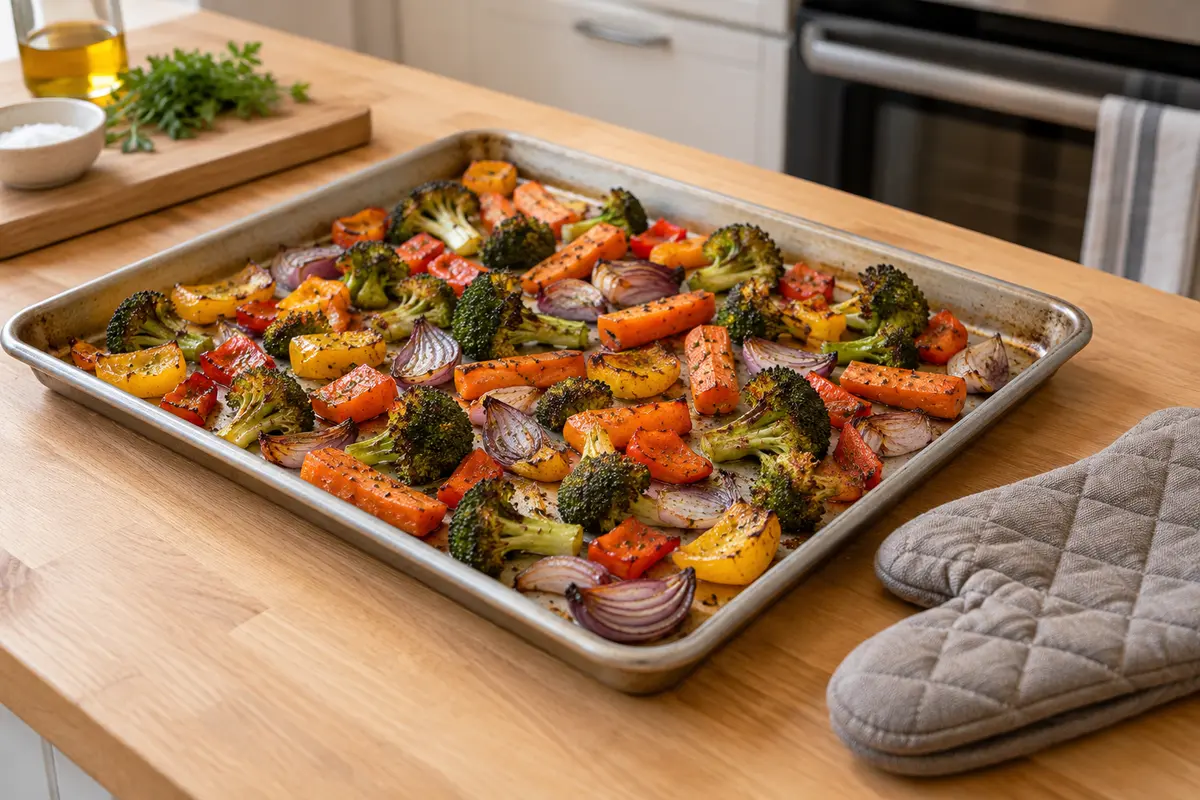
Use two sheet pans rather than packing vegetables tightly. Rotate pan positions if your oven browns unevenly.
What good progress looks like
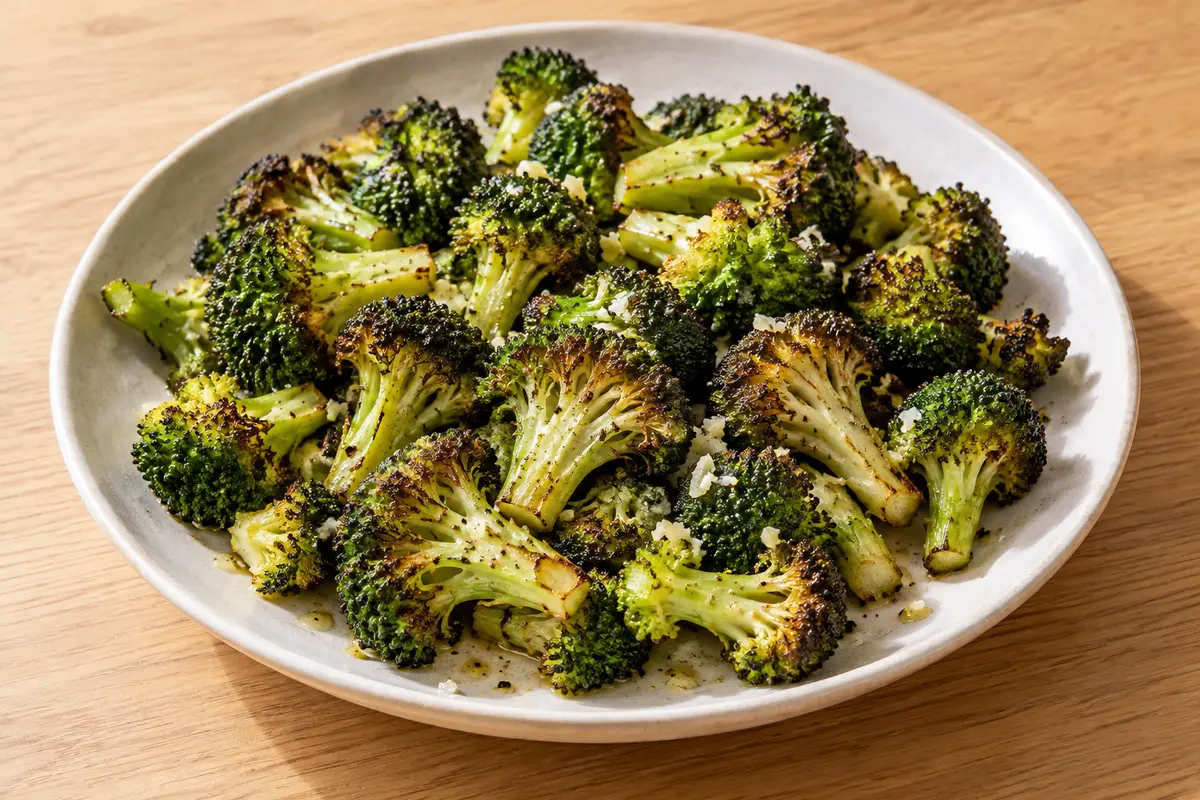
Moisture evaporates quickly, sizzling remains audible, and individual edges turn golden rather than the whole pan filling with pale liquid.
Common mistakes and a useful response
Turning the heat to maximum does not fix severe crowding and may burn the pan where it is exposed. Constant stirring also prevents sustained contact for browning.
A small practice exercise
Cook the same amount of mushrooms in one crowded batch and then in two loose batches. Compare color, liquid, and texture.
Keep the exercise small enough that you can pay attention. Repeating one controlled action teaches more than changing several variables in a complicated meal.