What you will learn
Use aromatics, main ingredients, liquid, and a finish instead of relying on a rigid formula. The goal is not merely to copy motions. You will learn why the sequence works, which clues matter, and what to change when your stove, pan, ingredient size, or timing differs.
Why it matters
Beginners are often given short instructions without the decisions behind them. This lesson turns the vague parts into actions you can observe and repeat, so an ordinary variation does not force you to guess.
What you need
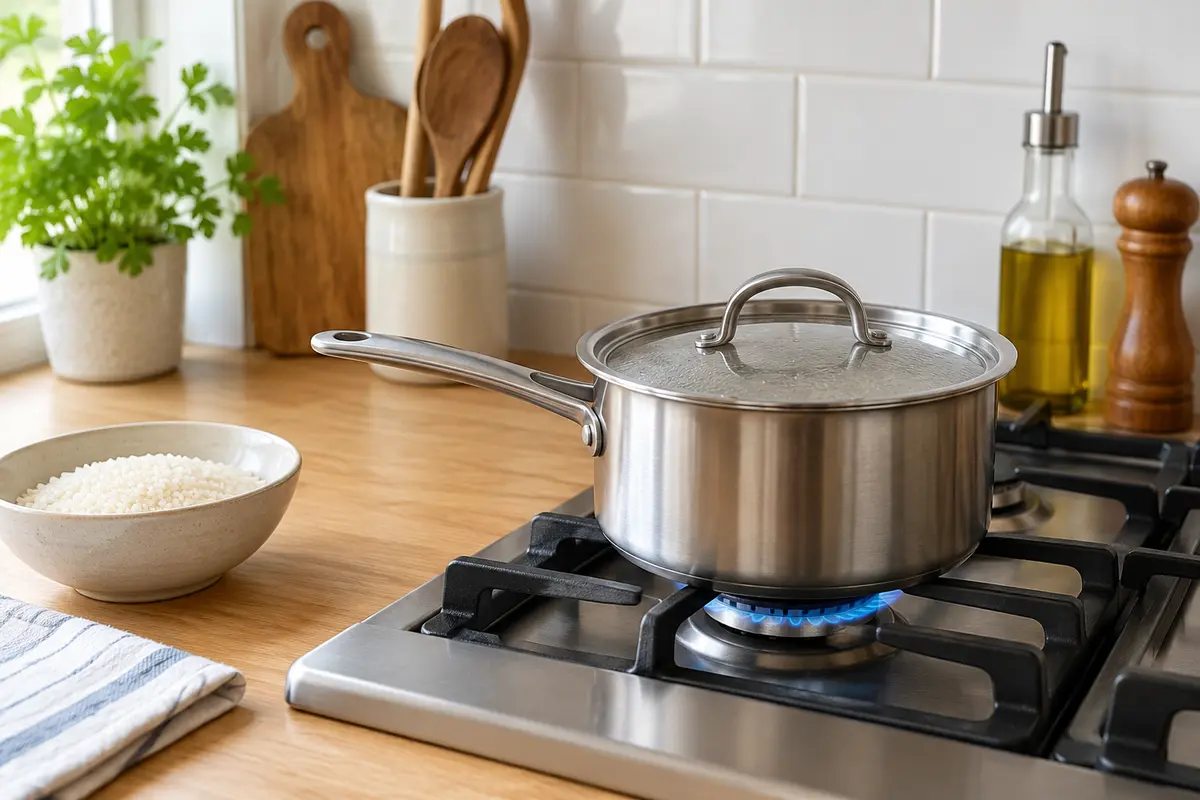
A soup pot, spoon, knife, and ladle.
Before you start
Choose ingredients that make sense together and decide which need the longest cooking. Keep perishable stock and leftovers refrigerated until use.
Start with aromatics
Soften onion, celery, or carrot in a little fat with a pinch of salt. Add garlic and dry spices later so they do not scorch.
Add the main ingredient
Stir in vegetables, beans, cooked meat, or grains according to their required cooking time. Brown tomato paste briefly when using it.
Add measured liquid
Pour in enough stock or water to cook and cover the solids without automatically filling the pot. You can add more later.
Simmer in order
Add dense raw foods early and quick-cooking greens or noodles near the end. Keep a gentle simmer and stir the bottom.
Finish after tasting
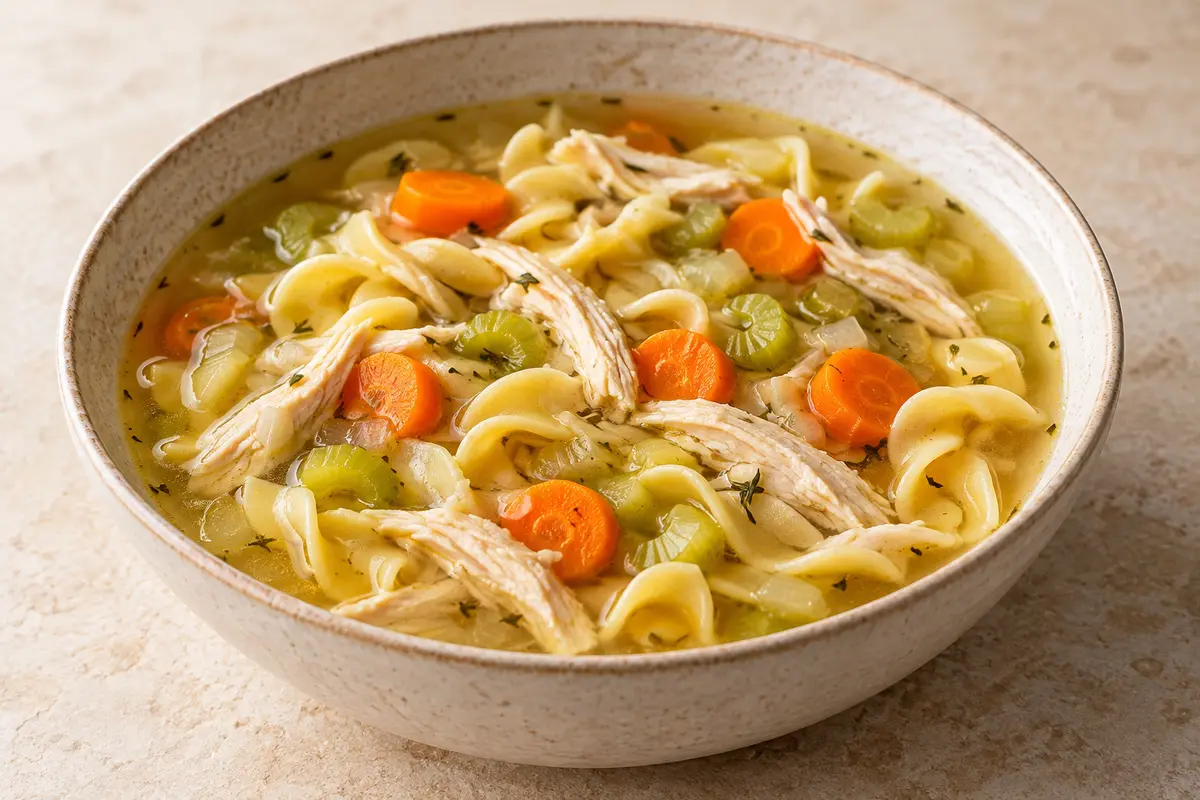
Adjust salt, acid, herbs, and texture once ingredients are tender. If blending, follow safe hot-liquid instructions.
What good progress looks like
The broth tastes like the ingredients rather than plain water, vegetables are tender at the same time, and nothing has dissolved unintentionally.
Common mistakes and a useful response
Adding every ingredient at once overcooks delicate items. Too much salty stock leaves little room to reduce or adjust seasoning.
A small practice exercise
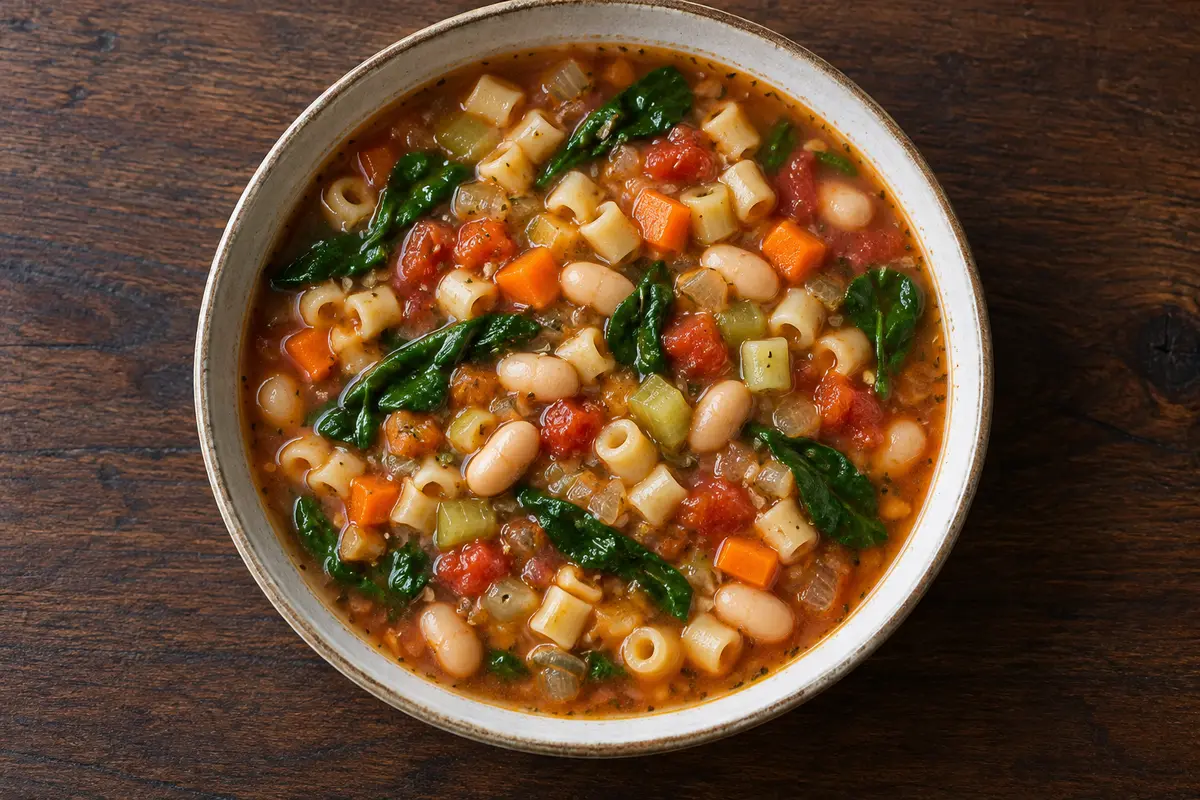
Make a two-serving soup with onion, canned beans, one vegetable, and stock. Add a final squeeze of lemon to half and compare.
Keep the exercise small enough that you can pay attention. Repeating one controlled action teaches more than changing several variables in a complicated meal.