What you will learn
Keep soups, sauces, beans, and braises cooking steadily without a harsh boil. The goal is not merely to copy motions. You will learn why the sequence works, which clues matter, and what to change when your stove, pan, ingredient size, or timing differs.
Why it matters
Beginners are often given short instructions without the decisions behind them. This lesson turns the vague parts into actions you can observe and repeat, so an ordinary variation does not force you to guess.
What you need
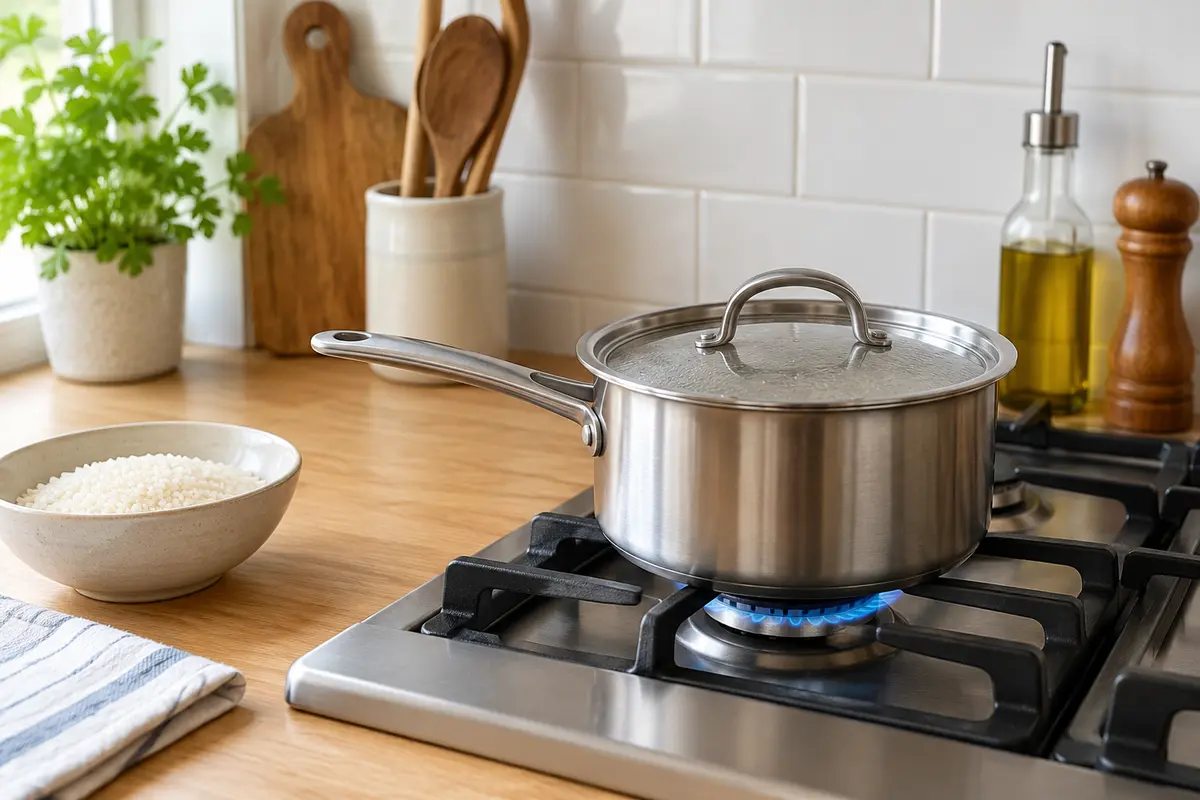
A pot with a lid, a long spoon, and enough liquid for the recipe.
Before you start
Use a burner close to the pot's base size. Leave safe headroom so bubbles and foam cannot immediately climb over the rim.
Bring the liquid up
Use medium-high heat to approach boiling while staying nearby. Stir thick mixtures so the bottom does not catch.
Reduce before it surges
As bubbles become frequent, lower the control. Heavy pots and electric burners keep releasing stored heat, so act a little early.
Look for gentle movement
A simmer has small bubbles rising regularly, mostly from several points, with the surface moving rather than violently rolling.
Position the lid
Cover fully only when the recipe says to retain moisture. A partially covered pot reduces evaporation while allowing steam to escape.
Recheck after changes
Adding cold ingredients or lifting the lid changes temperature. Let the pot settle, then make one small adjustment.
What good progress looks like
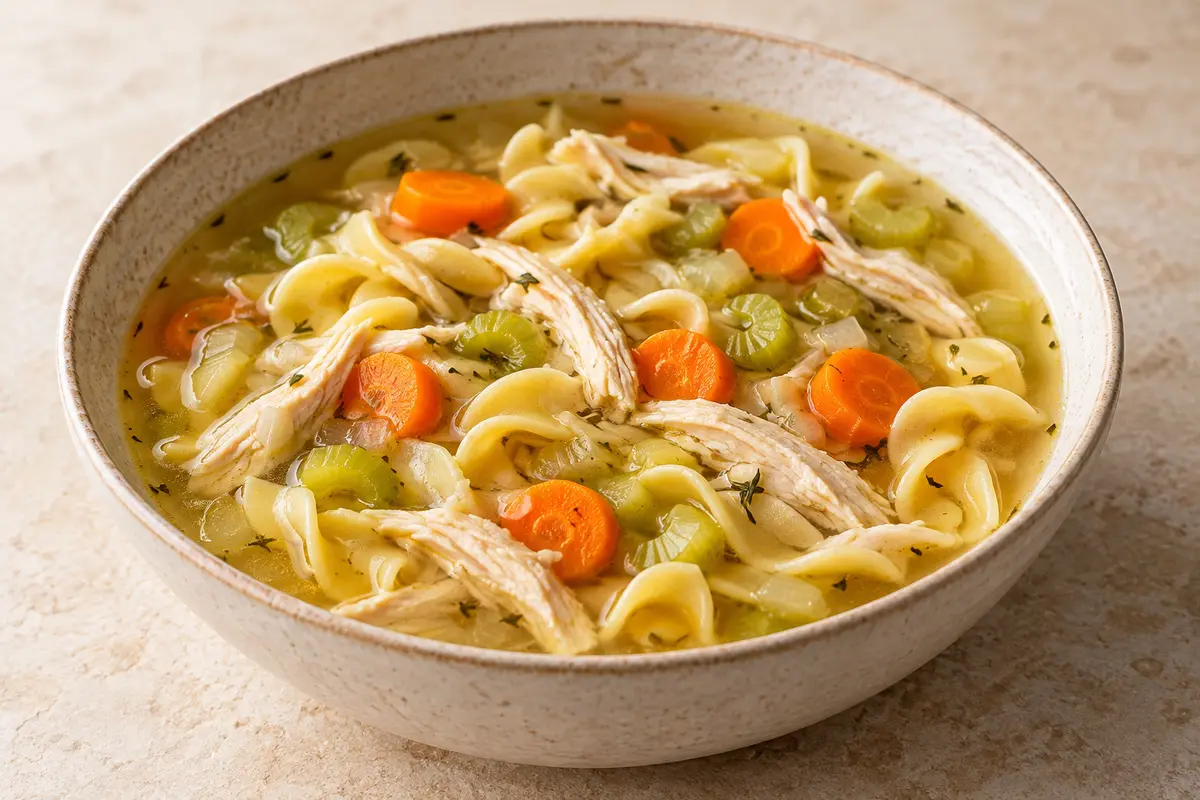
Small bubbles return at a steady pace and delicate food moves gently. The liquid reduces gradually instead of disappearing quickly.
Common mistakes and a useful response
A full rolling boil can toughen meat, break delicate ingredients, cloud broth, or scorch thick sauces. Too little heat, however, may leave food barely cooking.
A small practice exercise
Simmer two cups of water for five minutes. Practice lowering and raising the dial until you can restore gentle bubbles without reaching a rolling boil.
Keep the exercise small enough that you can pay attention. Repeating one controlled action teaches more than changing several variables in a complicated meal.