What you will learn
Match pan size, shape, and material to boiling, browning, simmering, or baking. The goal is not merely to copy motions. You will learn why the sequence works, which clues matter, and what to change when your stove, pan, ingredient size, or timing differs.
Why it matters
Beginners are often given short instructions without the decisions behind them. This lesson turns the vague parts into actions you can observe and repeat, so an ordinary variation does not force you to guess.
What you need
A saucepan, skillet, sheet pan, and any recipe you plan to make.
Before you start
Check which pans are safe for your cooktop and oven. Lift an empty pan and imagine its weight when full; choose something you can move safely.
Match shape to the method
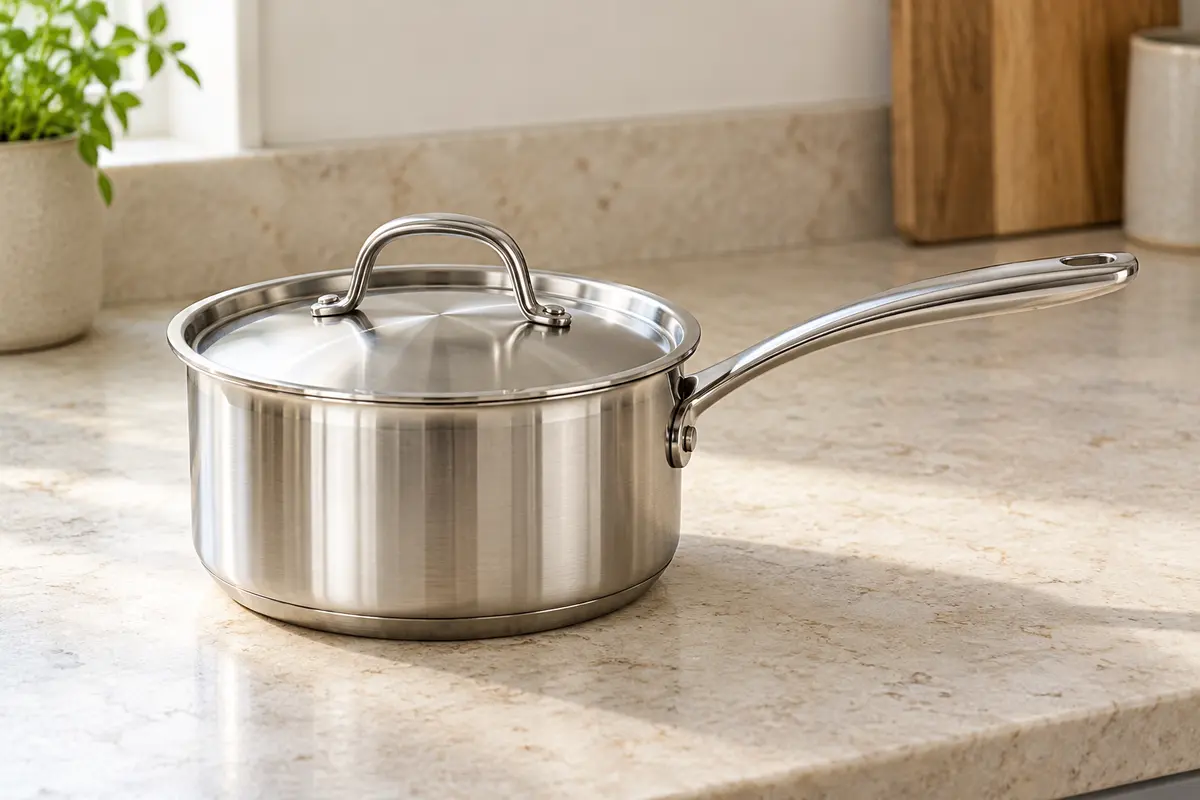
Use a saucepan's high sides for liquids, a wide skillet for evaporation and browning, and a rimmed sheet pan for roasting. A lid matters when steam must stay in.
Give food enough room
Ingredients should fit without piling up unless the method intentionally steams or braises them. A pan that is too small turns browning into wet simmering.
Avoid an oversized pan
A very large pan can let a small amount of sauce evaporate too fast or butter burn in an empty area. Keep the food and the burner reasonably matched.
Consider the material
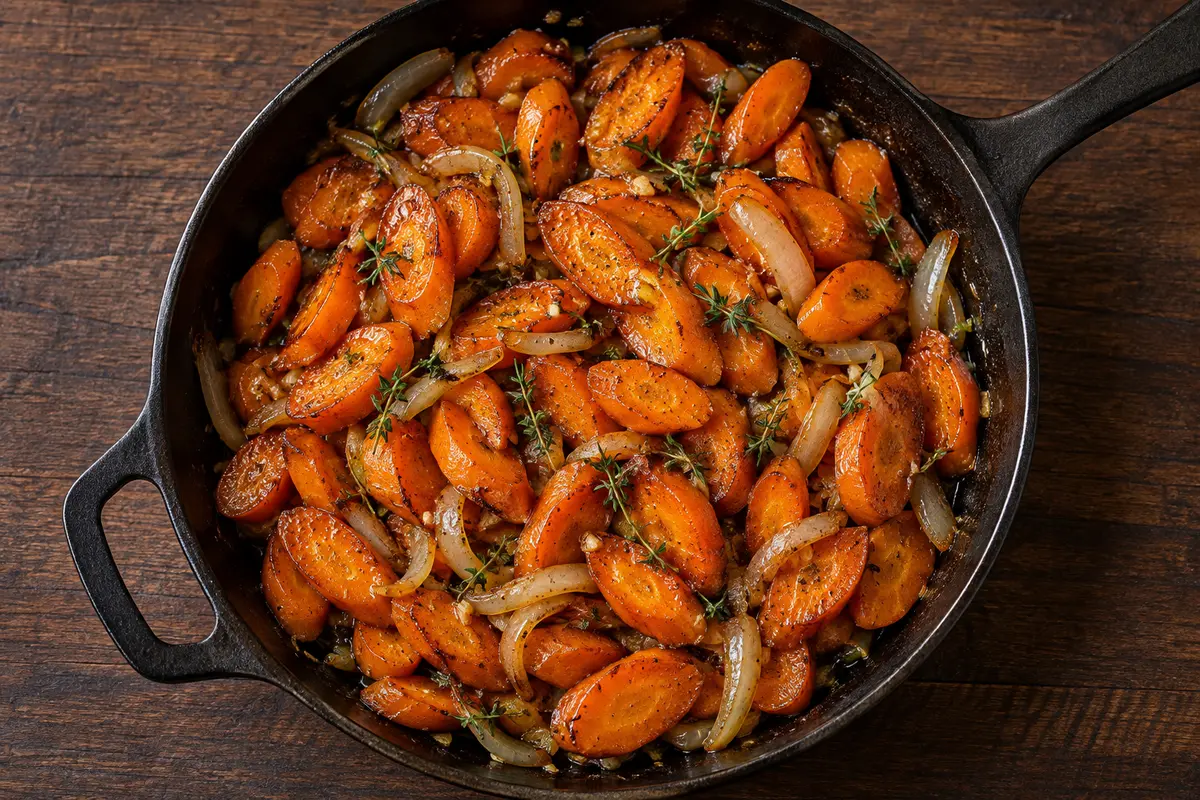
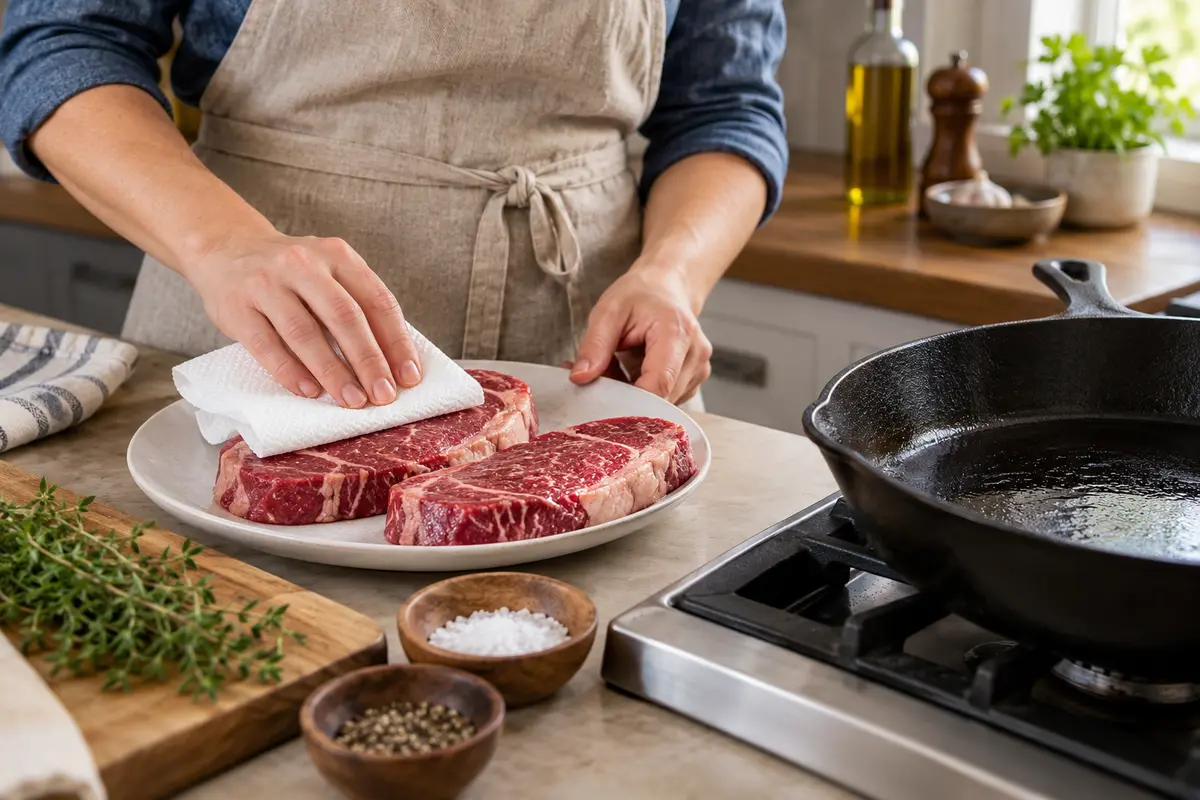
Stainless steel responds quickly and builds browned bits; cast iron holds heat; nonstick is useful for delicate foods at moderate heat. Follow the maker's limits.
Check handles and depth
Long handles need clearance. Deep pans reduce splatter but can trap steam. Choose based on the action the recipe asks you to perform.
What good progress looks like
Food sits in the intended layer, the burner heats most of the base, and you can stir or turn ingredients without spilling them.
Common mistakes and a useful response
Beginners often choose the first clean pan they see. The result may be crowded vegetables, scorched sauce, or a pan too heavy to drain safely.
A small practice exercise
Set out three pans and decide which would best cook pasta, brown mushrooms, and roast potatoes. Explain each choice in one sentence.
Keep the exercise small enough that you can pay attention. Repeating one controlled action teaches more than changing several variables in a complicated meal.