What you will learn
Release garlic's aroma in the short window before it becomes bitter. The goal is not merely to copy motions. You will learn why the sequence works, which clues matter, and what to change when your stove, pan, ingredient size, or timing differs.
Why it matters
Beginners are often given short instructions without the decisions behind them. This lesson turns the vague parts into actions you can observe and repeat, so an ordinary variation does not force you to guess.
What you need
Sharp knife or grater, small bowl, spoon, and the pan used for the recipe.
Before you start
Prepare the next ingredient before garlic enters the pan. Minced or grated garlic cooks much faster than whole or sliced cloves.
Choose the cut
Slices give a gentler result and more warning; fine mince or paste disperses quickly but can scorch in seconds.
Lower the heat
If onions or meat were cooked over high heat, reduce the burner and let the pan settle before adding garlic.
Add to warm fat
Stir garlic continuously so it does not sit in one hot spot. Listen for gentle sizzling.
Watch the aroma
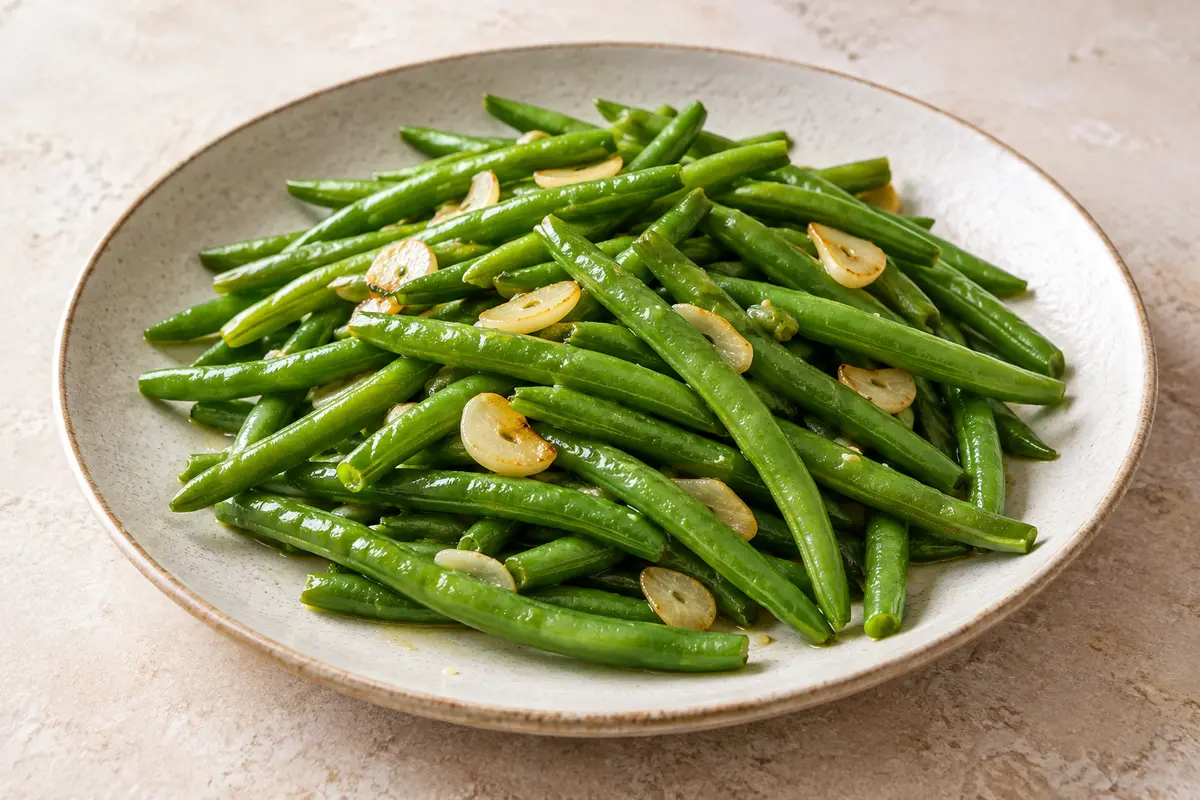
After roughly 20 to 60 seconds, garlic should smell fragrant and may become pale gold. Dark brown means bitterness is close.
Stop with moisture
Add tomato, stock, vegetables, or another recipe ingredient promptly to cool the pan and continue cooking safely.
What good progress looks like
Garlic smells rounded and fragrant, remains pale to light gold, and leaves no black flecks in the fat.
Common mistakes and a useful response
Adding garlic with raw onions means it may burn during the onions' longer cooking time. Black garlic bits cannot be disguised reliably; restart that stage.
A small practice exercise
Warm two sliced cloves over low heat, removing one sample pale and one darker. Smell and taste after cooling.
Keep the exercise small enough that you can pay attention. Repeating one controlled action teaches more than changing several variables in a complicated meal.