What you will learn
Control moisture and heat so onions become translucent, golden, or deeply brown when you intend. The goal is not merely to copy motions. You will learn why the sequence works, which clues matter, and what to change when your stove, pan, ingredient size, or timing differs.
Why it matters
Beginners are often given short instructions without the decisions behind them. This lesson turns the vague parts into actions you can observe and repeat, so an ordinary variation does not force you to guess.
What you need
Wide skillet or saucepan, knife, spoon, oil or butter, and onions.
Before you start
Cut onions to a similar thickness and use a pan with enough room. Keep the heat lower for softening and allow much more time for deep browning.
Warm fat gently
Use medium-low to medium heat. Add onion and a small pinch of salt, then stir to coat.
Soften first
Cook until pieces look translucent and flexible. If edges darken while centers remain firm, lower the heat.
Let moisture leave
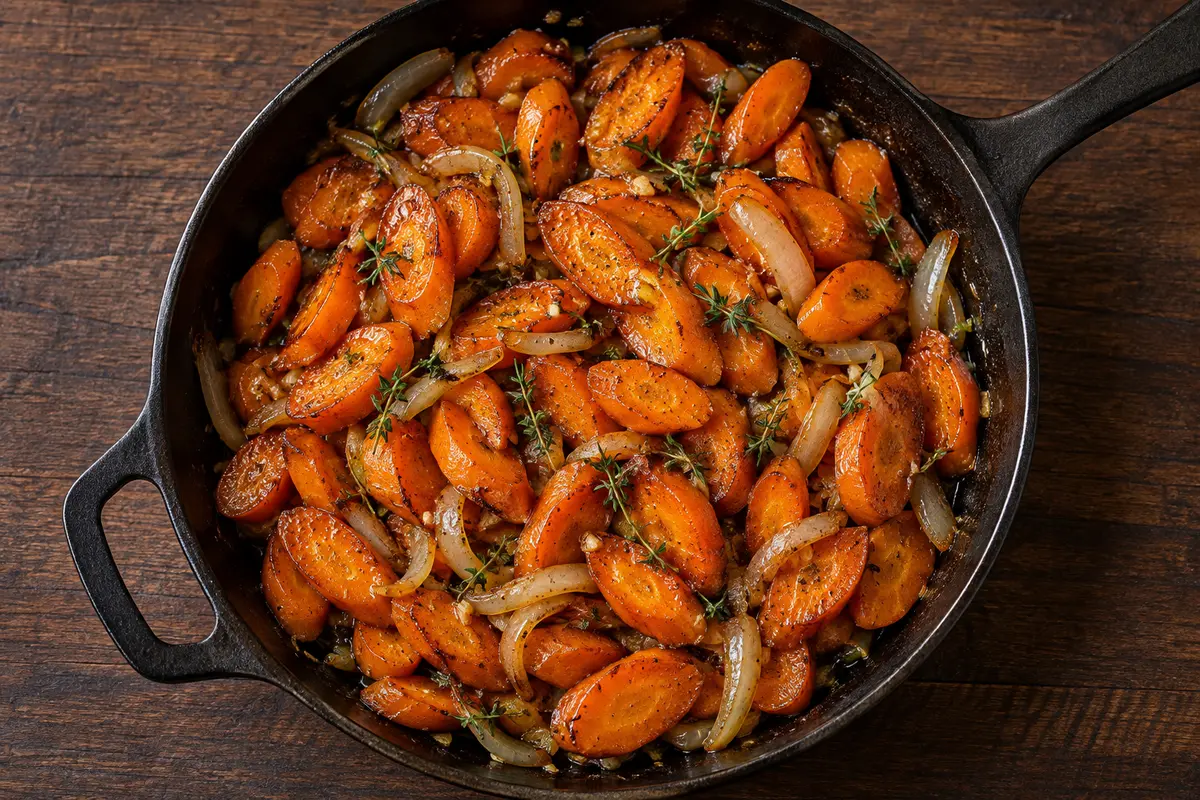
For golden onions, continue uncovered and stir periodically, leaving enough contact time for color.
Manage the fond
If brown bits build too fast, add a teaspoon of water and scrape them up before they turn black.
Stop at the recipe's stage
Translucent onions suit many soups; golden onions add sweetness; deep caramelization requires a longer, separate process.
What good progress looks like
Pieces soften evenly, smell sweet rather than sharp, and color progresses from translucent to gold without black edges.
Common mistakes and a useful response
High heat does not create true caramelized onions quickly; it burns edges around a firm center. Too much stirring can slow browning.
A small practice exercise
Cook one sliced onion and remove samples when raw, translucent, pale gold, and deeper brown. Compare sweetness and texture.
Keep the exercise small enough that you can pay attention. Repeating one controlled action teaches more than changing several variables in a complicated meal.