What you will learn
Choose the right variety, simmer gently, and stop at the texture the dish needs. The goal is not merely to copy motions. You will learn why the sequence works, which clues matter, and what to change when your stove, pan, ingredient size, or timing differs.
Why it matters
Beginners are often given short instructions without the decisions behind them. This lesson turns the vague parts into actions you can observe and repeat, so an ordinary variation does not force you to guess.
What you need
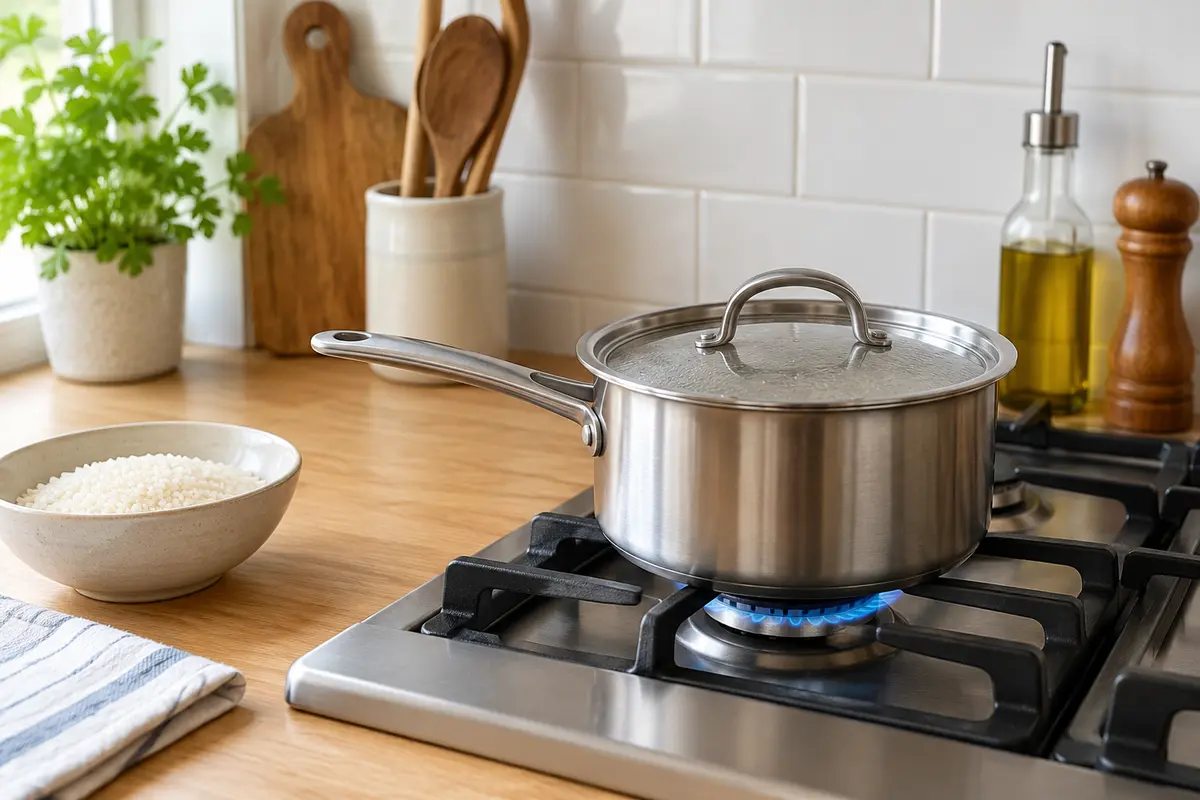
A saucepan, fine-mesh sieve, spoon, and timer.
Before you start
Sort lentils on a tray and remove debris, then rinse. Check the package because red, brown, green, and black lentils soften at different rates.
Match variety to the dish
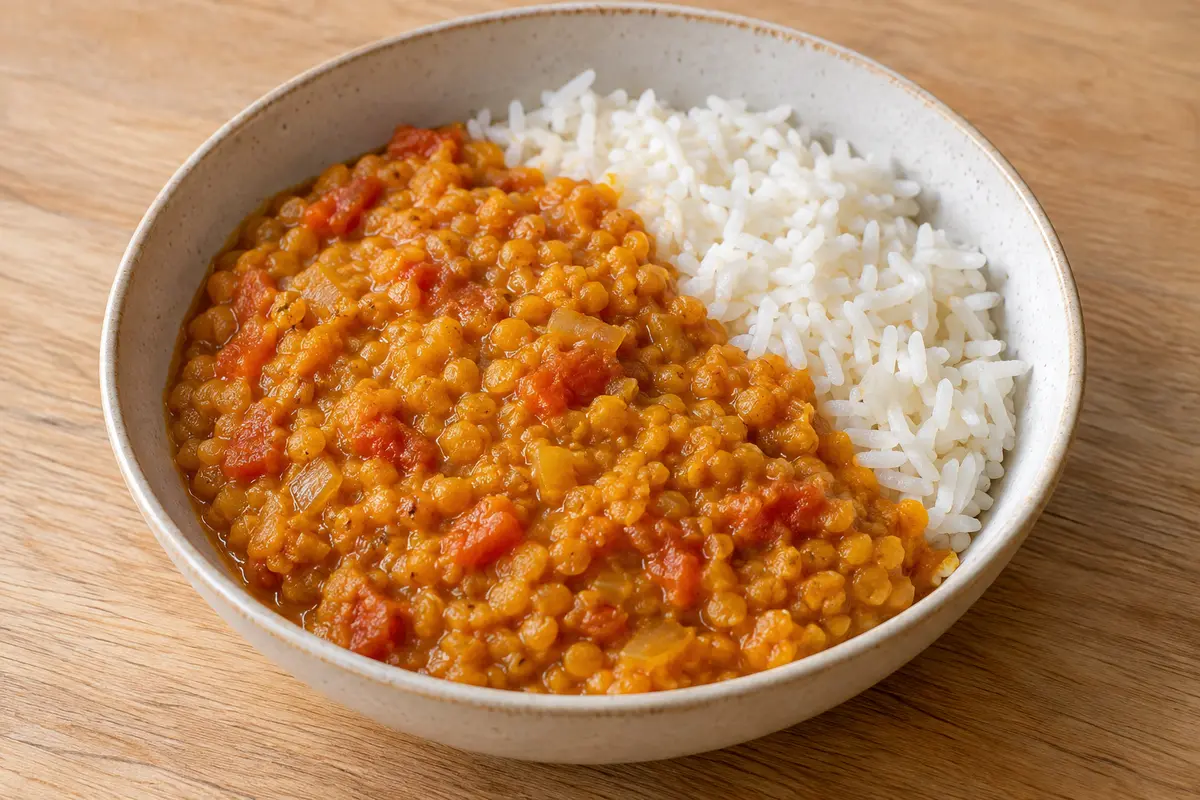
Red lentils break down for soups and dals. Brown or green lentils usually hold shape better for salads and sides.
Use plenty of liquid
For a drainable method, cover with several inches of water or stock. Strongly salted packaged stock may concentrate as it cooks.
Bring to a simmer
Start with a boil, then reduce promptly. A hard boil knocks skins loose and cooks the outside aggressively.
Taste early
Begin checking before the package's lower time. Bite through a few lentils from different areas of the pot.
Stop for the intended use
Drain shape-holding lentils when tender but intact. Let soup lentils continue until creamy. Add delicate acid near the end.
What good progress looks like
Salad lentils are tender through the center yet distinct; soup lentils soften enough to thicken the liquid without a scorched bottom.
Common mistakes and a useful response
Assuming all lentils behave alike creates either hard centers or puree. Old lentils may take longer; keep enough liquid in the pan.
A small practice exercise
Cook half a cup of green or brown lentils and taste at three intervals. Choose the point best for salad and the point best for soup.
Keep the exercise small enough that you can pay attention. Repeating one controlled action teaches more than changing several variables in a complicated meal.