What you will learn
Use enough water, stir at the right time, and finish before the noodles turn mushy. The goal is not merely to copy motions. You will learn why the sequence works, which clues matter, and what to change when your stove, pan, ingredient size, or timing differs.
Why it matters
Beginners are often given short instructions without the decisions behind them. This lesson turns the vague parts into actions you can observe and repeat, so an ordinary variation does not force you to guess.
What you need
A roomy pot, colander or tongs, timer, and heatproof cup for pasta water.
Before you start
Read the package time and sauce instructions first. Have the sauce nearly ready because drained pasta continues to soften.
Boil and season
Bring water to a full boil, then add enough salt to season the pasta without making the final dish overly salty. Account for salty cheese or sauce.
Add and stir early
Add pasta and stir during the first minute, separating strands or shapes that try to stick. Restore a controlled boil without overflowing.
Taste before the time ends
Begin tasting a minute or two before the package's lower time. The center should be cooked but still have a pleasant bite for most sauced dishes.
Reserve water
Scoop out a cup of starchy water before draining. Do not rinse unless the recipe specifically needs cooled, separate noodles.
Finish immediately
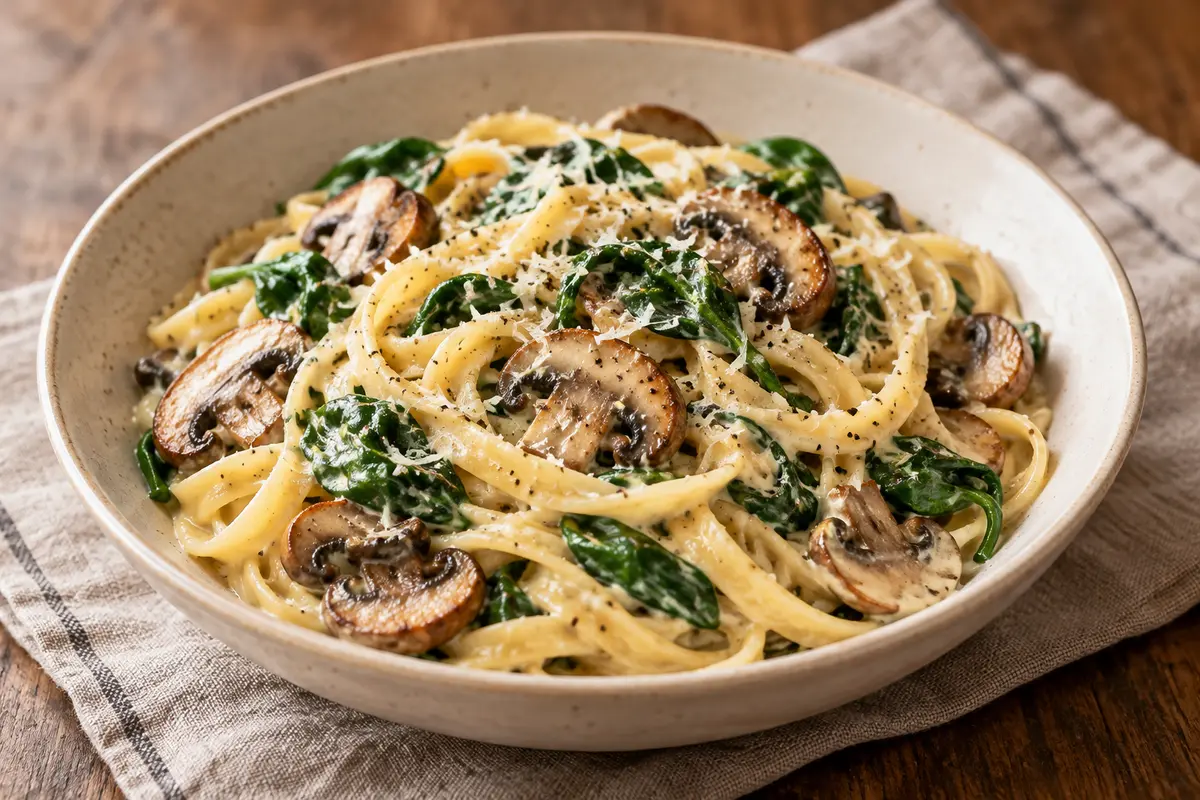
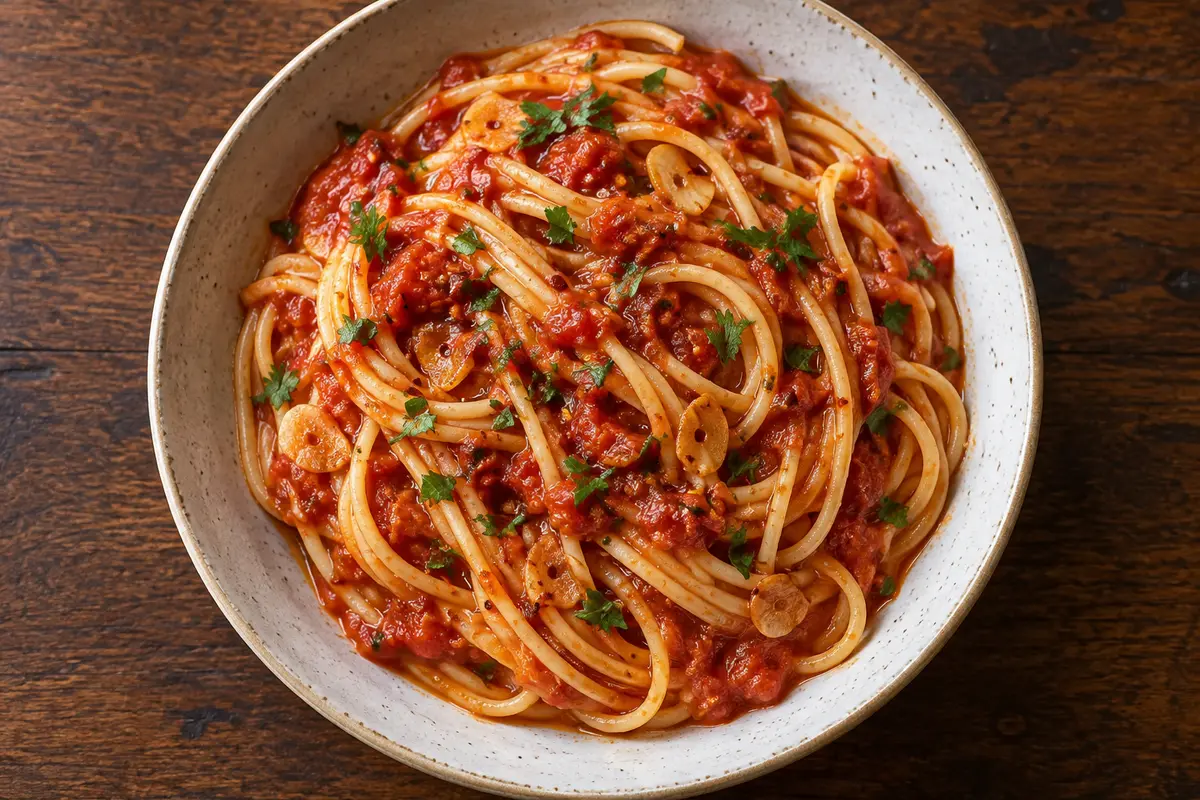
Move pasta to the sauce and toss over low heat. Add reserved water a spoonful at a time until the sauce clings.
What good progress looks like
Noodles bend without breaking, the center has no hard chalky core, and the sauce coats rather than sliding off or pooling.
Common mistakes and a useful response
Leaving pasta in hot water after it is ready causes mushiness. Oil in the water is unnecessary and can make sauce adhesion worse.
A small practice exercise
Cook one serving and taste pieces at two-minute intervals near the package time. Write down the texture change.
Keep the exercise small enough that you can pay attention. Repeating one controlled action teaches more than changing several variables in a complicated meal.