What you will learn
Move large or dense foods through the warm zone quickly enough for safe storage. The goal is not merely to copy motions. You will learn why the sequence works, which clues matter, and what to change when your stove, pan, ingredient size, or timing differs.
Why it matters
Beginners are often given short instructions without the decisions behind them. This lesson turns the vague parts into actions you can observe and repeat, so an ordinary variation does not force you to guess.
What you need
Shallow containers, ladle, refrigerator space, and labels.
Before you start
Refrigerate perishable food within two hours, or one hour when ambient temperature is above 90°F / 32°C. Make space before cooking ends.
Divide large amounts
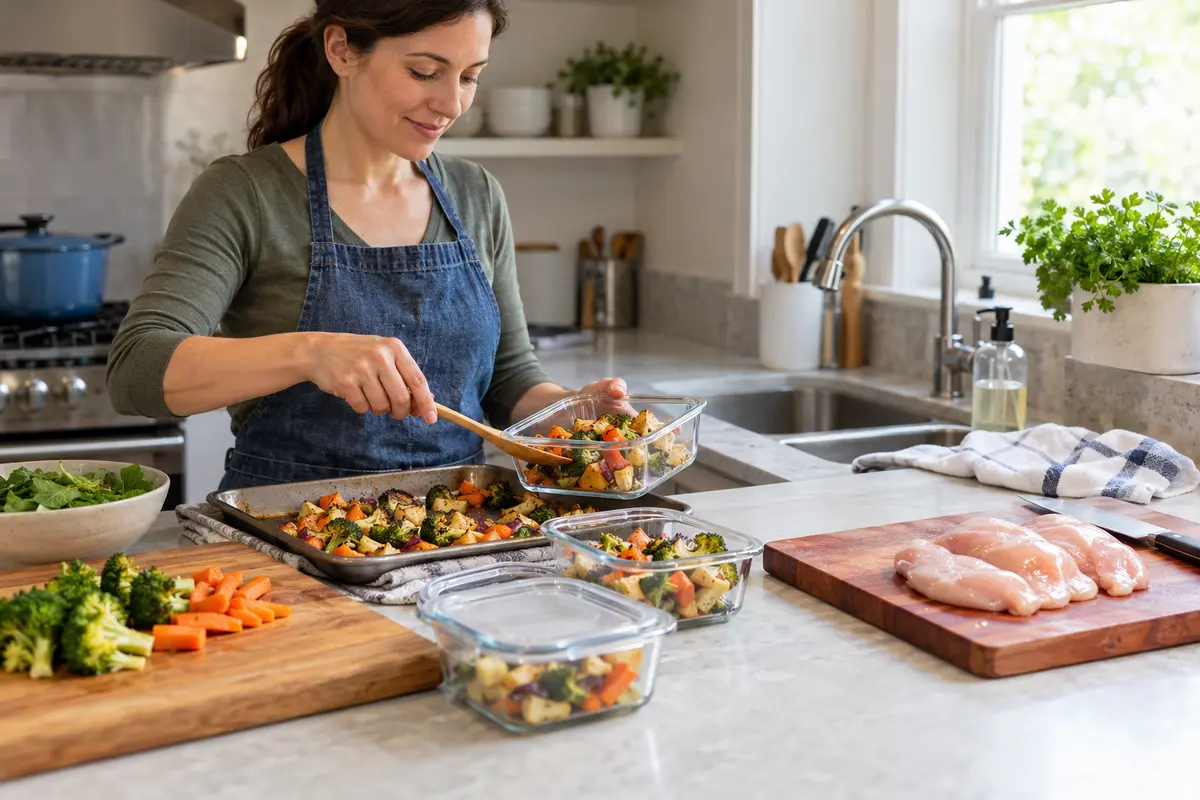
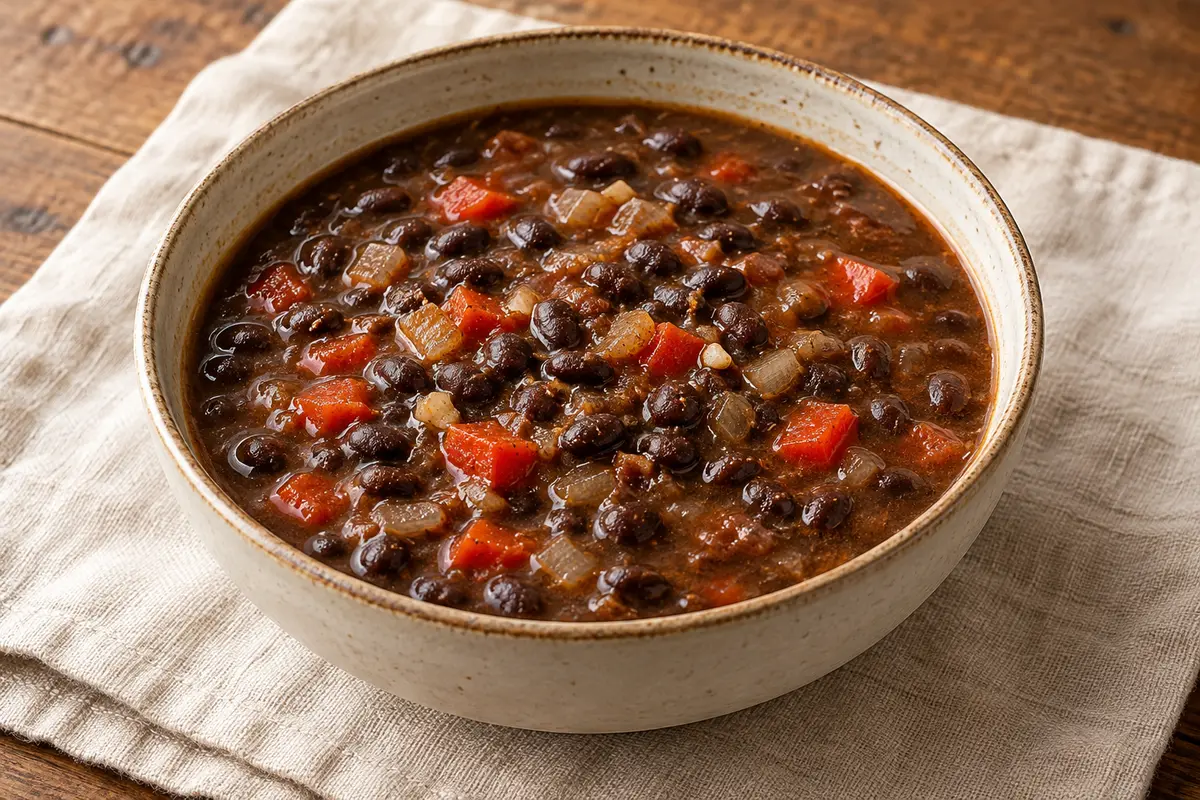
Move soup, rice, chili, or casseroles into several shallow containers rather than one deep container.
Increase heat loss
Separate large cuts from hot cooking liquid when appropriate and leave safe space around containers in the refrigerator.
Do not wait for room temperature
Modern guidance favors prompt refrigeration in shallow portions. A large pot left on the counter can stay warm for hours.
Use safe aids
An ice bath can cool a pot of liquid while you stir, keeping sink water out of the food. Add ice as an ingredient only when the recipe accounts for it.
Cover and label
Follow container guidance, protect food from contamination, and date it once stored.
What good progress looks like
Food is divided into layers only a few inches deep, containers no longer radiate intense heat for long, and refrigeration begins within the required window.
Common mistakes and a useful response
Putting a huge steaming stockpot into an overloaded refrigerator can warm nearby food, while leaving it out to 'cool completely' is unsafe.
A small practice exercise
Fill your usual storage containers with water and identify which creates the shallowest layer for a four-serving soup.
Keep the exercise small enough that you can pay attention. Repeating one controlled action teaches more than changing several variables in a complicated meal.