What you will learn
Cool, label, and repurpose food while its safety and quality are still clear. The goal is not merely to copy motions. You will learn why the sequence works, which clues matter, and what to change when your stove, pan, ingredient size, or timing differs.
Why it matters
Beginners are often given short instructions without the decisions behind them. This lesson turns the vague parts into actions you can observe and repeat, so an ordinary variation does not force you to guess.
What you need
Shallow containers, labels, marker, refrigerator, and freezer.
Before you start
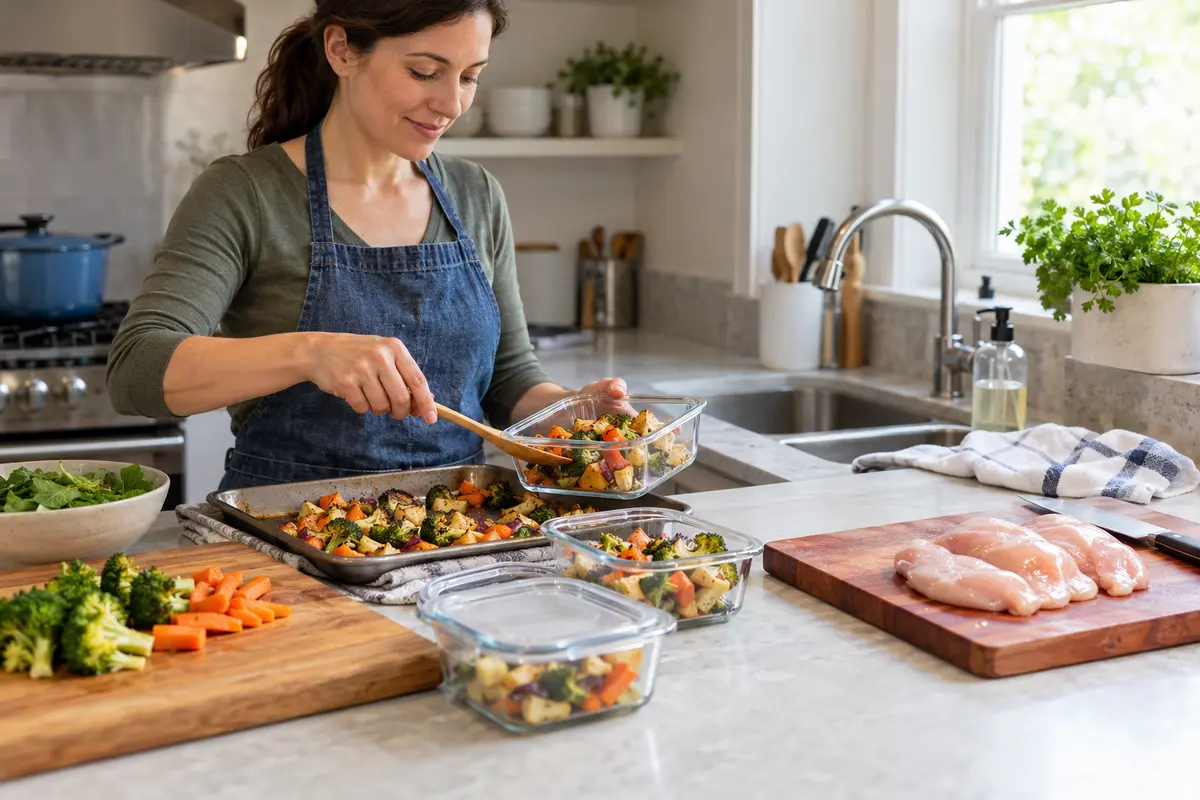
Decide before serving how much will be kept. Follow safe cooling times and do not save food that sat out too long or has uncertain handling.
Portion promptly
Move leftovers into shallow containers and refrigerate within two hours, or one hour above 90°F / 32°C.
Label the truth
Write the food and cooking date, not a hopeful future date. Keep the oldest safe food visible.
Assign a next use
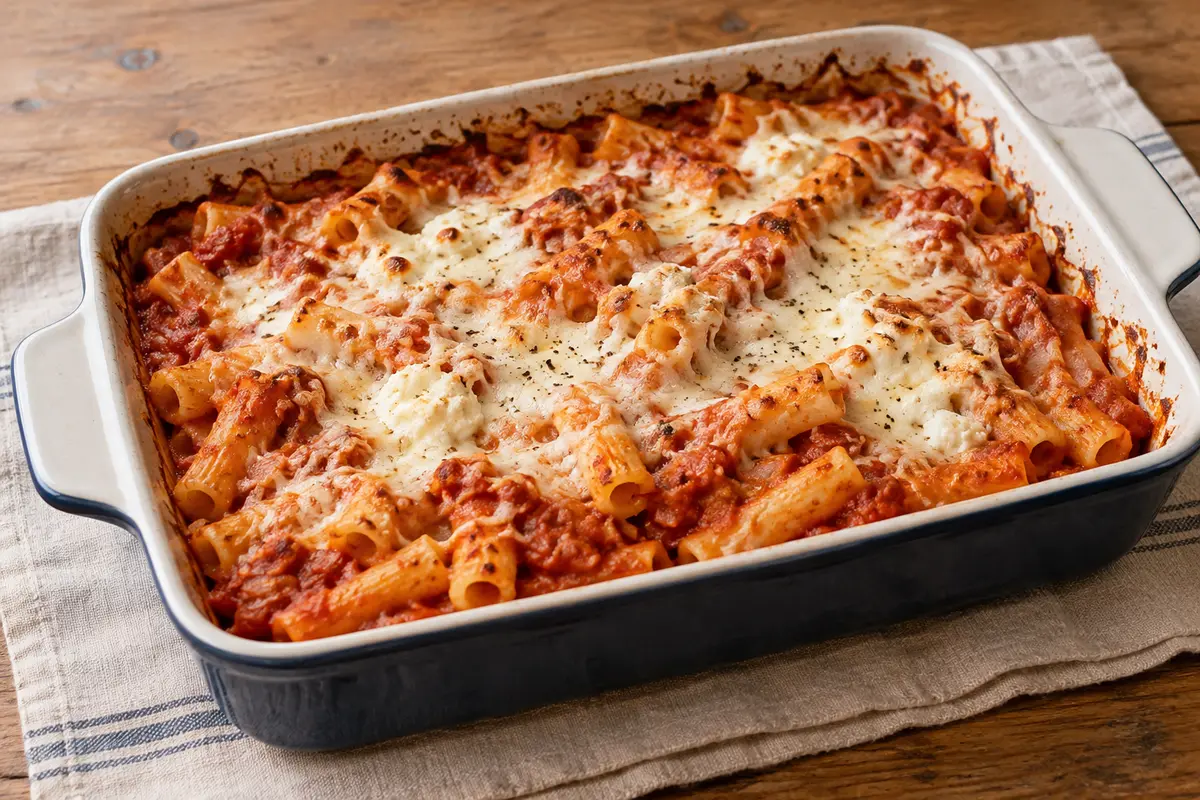
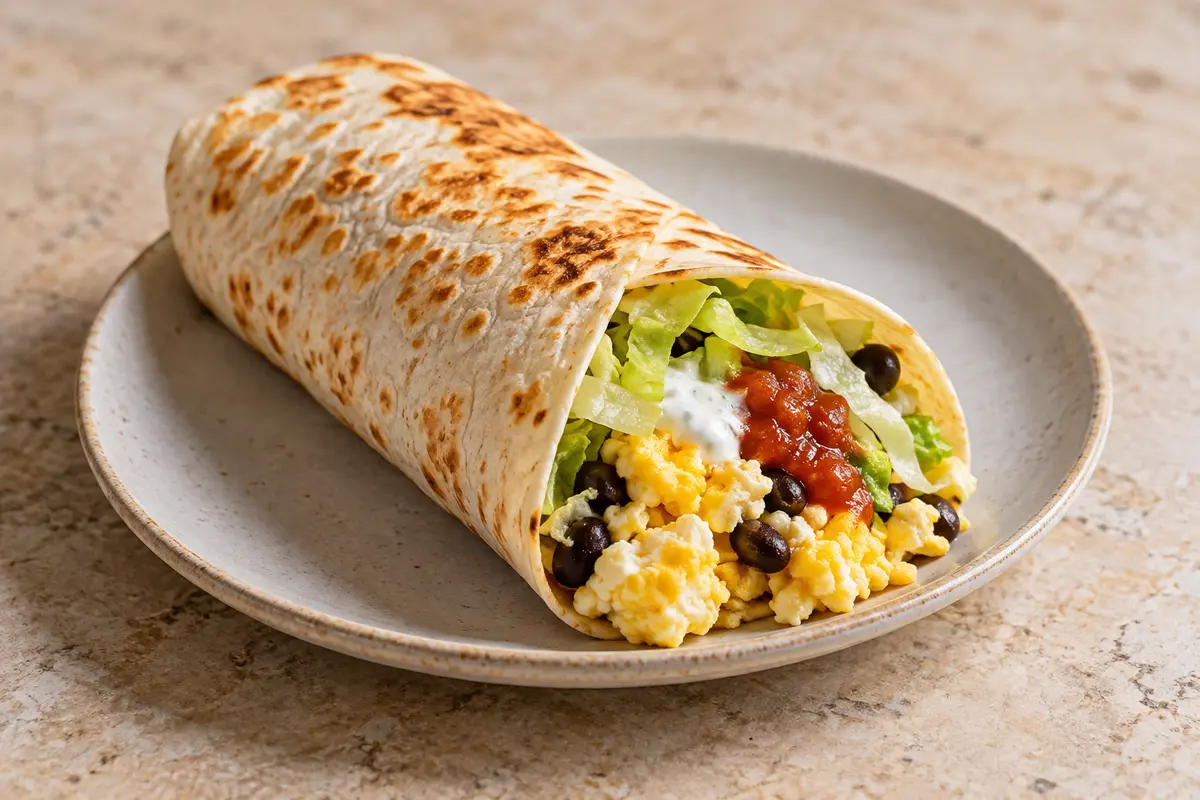
Name the meal: roast vegetables become a frittata; rice becomes a bowl; chicken becomes a sandwich. A vague 'later' is easy to ignore.
Protect texture
Store crisp toppings and dressings separately. Freeze portions that will not be eaten within the recommended refrigerator window.
Reheat only what you need
Heat the serving to 165°F / 74°C and leave the rest chilled. Discard leftovers when safety is uncertain.
What good progress looks like
Containers are shallow, dated, and tied to a specific next meal; the refrigerator is not holding one large warm pot.
Common mistakes and a useful response
Smell and appearance cannot prove safety. Repeatedly warming the whole batch increases time in unsafe temperature ranges and harms quality.
A small practice exercise
Label tonight's leftovers with one planned use and a day. Put the container where it will be seen.
Keep the exercise small enough that you can pay attention. Repeating one controlled action teaches more than changing several variables in a complicated meal.