What you will learn
Restore moisture and reach 165°F / 74°C throughout the serving. The goal is not merely to copy motions. You will learn why the sequence works, which clues matter, and what to change when your stove, pan, ingredient size, or timing differs.
Why it matters
Beginners are often given short instructions without the decisions behind them. This lesson turns the vague parts into actions you can observe and repeat, so an ordinary variation does not force you to guess.
What you need
Microwave-safe cover or saucepan, thermometer, spoon, and a splash of water or stock when suitable.
Before you start
Reheat only food that was cooled and stored safely. When history or storage time is uncertain, discard it rather than trying to make it safe by reheating.
Portion what you need
Move one serving to a clean dish and keep the remaining food refrigerated.
Add suitable moisture
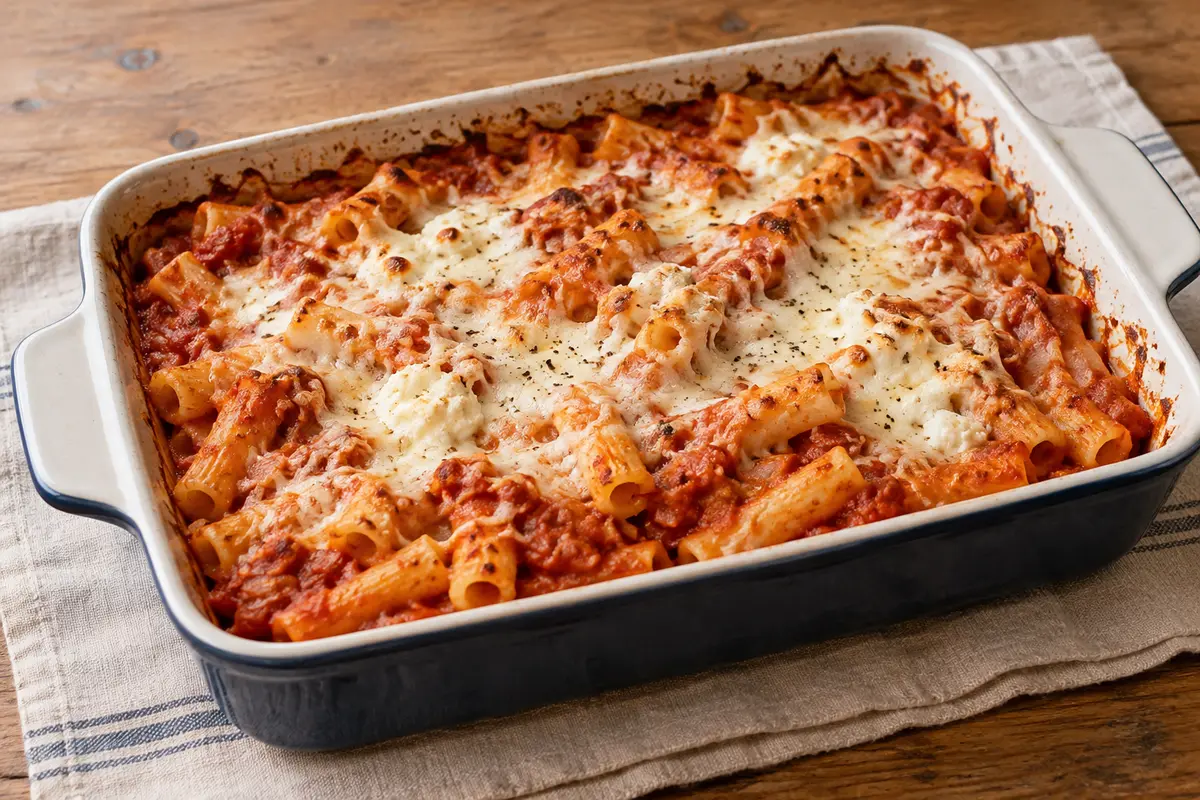
Rice, pasta, and dense casseroles often benefit from a spoonful of water, stock, or sauce. Cover to trap steam while allowing safe venting.
Heat in stages
Use medium microwave intervals or moderate stovetop heat. Stir, rotate, or turn food to eliminate cold pockets.
Measure more than one spot
Check the center and another thick area. Reheated leftovers should reach 165°F / 74°C.
Restore texture after heating
Uncover briefly to crisp a surface or add fresh herbs and crunchy toppings only after the food is hot.
What good progress looks like
Steam is distributed, no center remains cold, multiple spots reach 165°F / 74°C, and added moisture prevents hard edges.
Common mistakes and a useful response
A hot plate with a cold center is not safely reheated. Reheating cannot correct food that was stored unsafely or left out too long.
A small practice exercise
Reheat one portion of rice with a spoonful of water, stirring halfway, and measure two spots before eating.
Keep the exercise small enough that you can pay attention. Repeating one controlled action teaches more than changing several variables in a complicated meal.