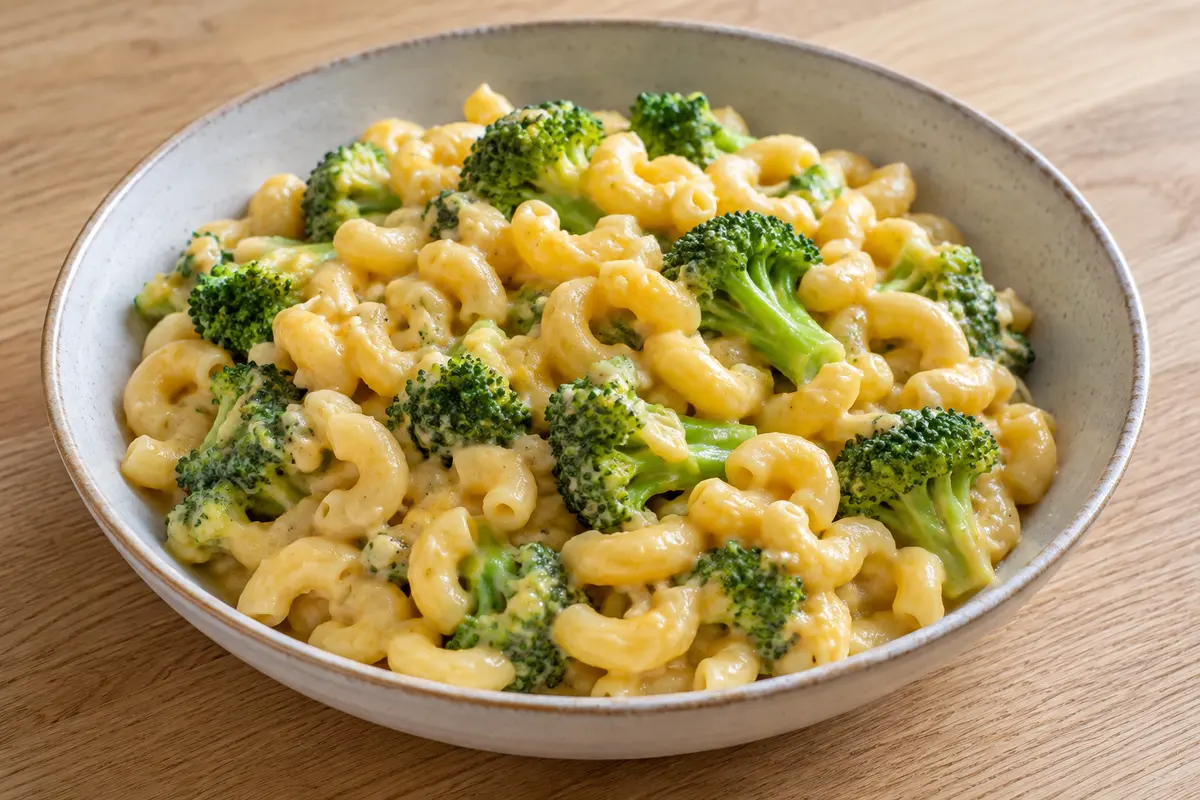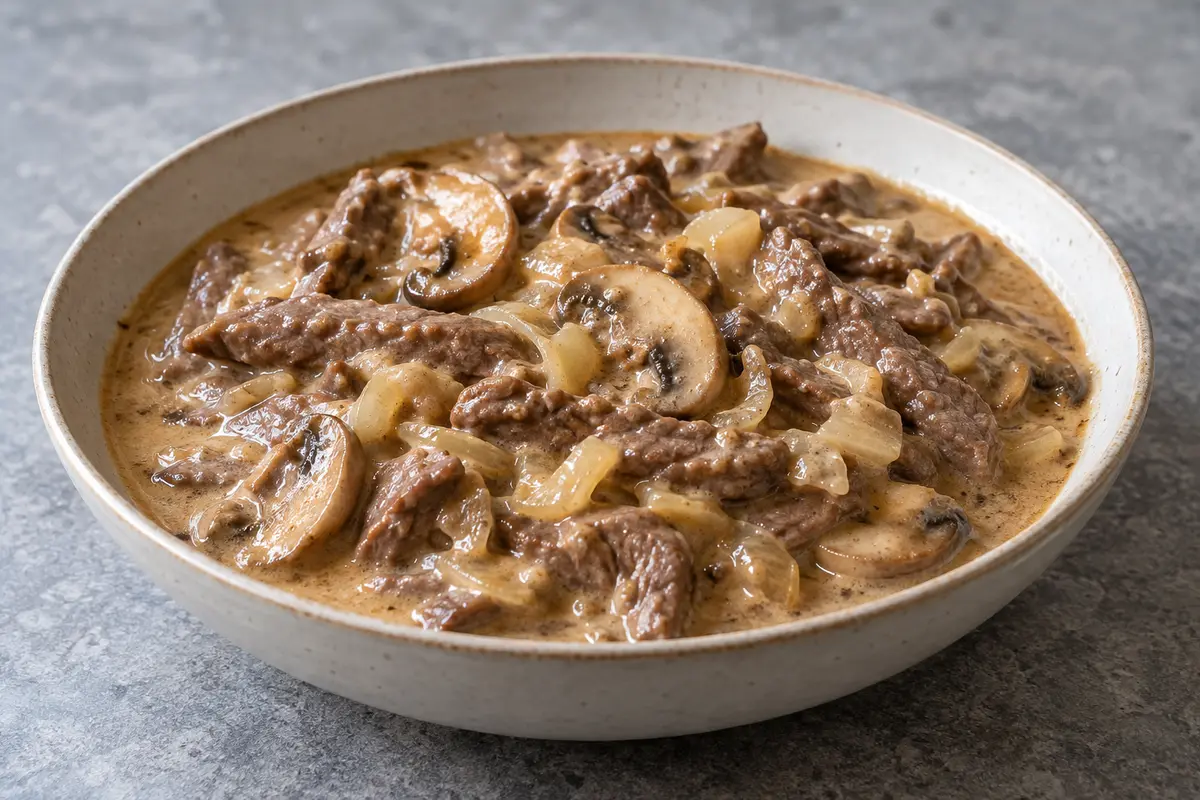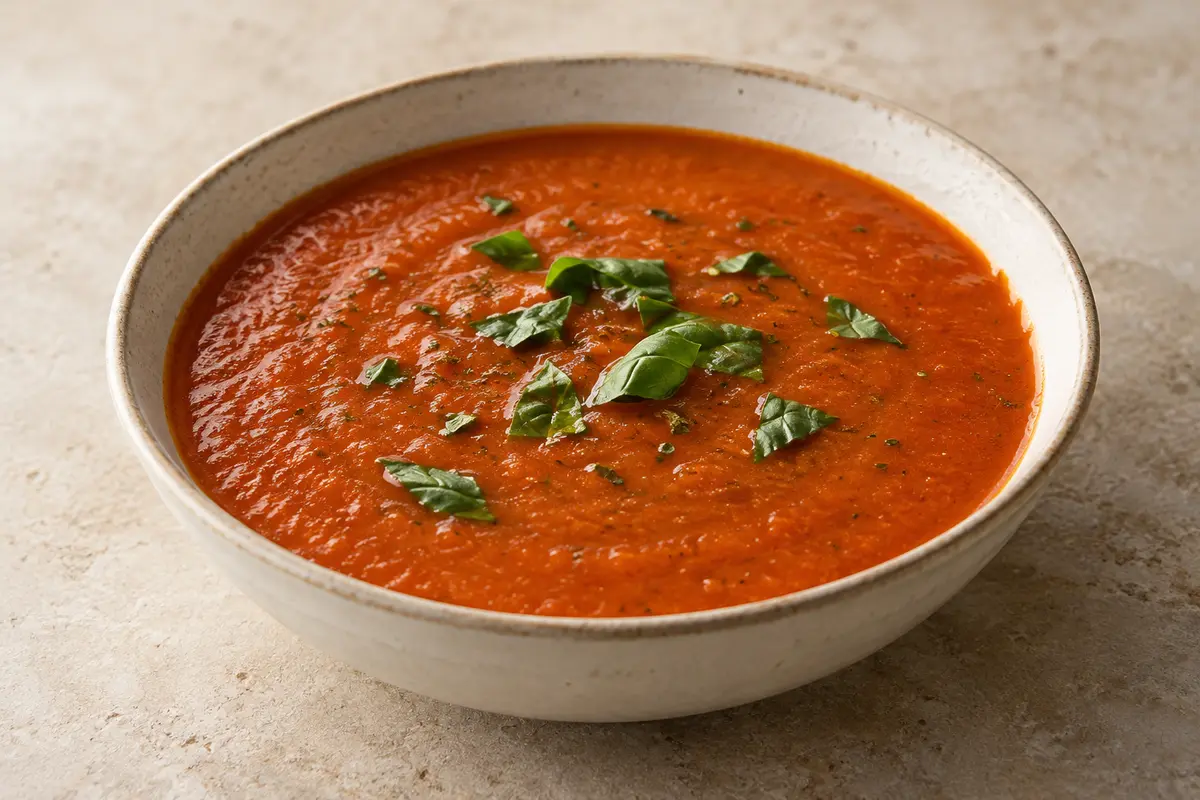
What you will learn
Choose reduction, starch, puree, or emulsion based on what the sauce is supposed to be. The goal is not merely to copy motions. You will learn why the sequence works, which clues matter, and what to change when your stove, pan, ingredient size, or timing differs.
Why it matters
Beginners are often given short instructions without the decisions behind them. This lesson turns the vague parts into actions you can observe and repeat, so an ordinary variation does not force you to guess.
What you need
Wide pan, whisk, spoon, and small bowl for slurry if needed.
Before you start
Remove ingredients that are already perfectly cooked. Taste for salt before reducing because concentration changes seasoning.
Identify the sauce type
A tomato sauce often needs uncovered reduction; gravy may need properly cooked starch; a vegetable sauce may thicken with puree.
Try time first
Simmer uncovered in a wider pan and stir as needed. Watch how the spoon trail and bubble size change.
Use starch correctly
Mix cornstarch with cold liquid before whisking it into simmering sauce. Bring it back to the required heat so thickening activates.
Add body from the dish
Mash beans, puree some vegetables, or add an appropriate dairy or nut component when the recipe supports it.
Stop before paste
Sauce thickens as it cools. Thin an over-thickened sauce with small additions of unsalted liquid.
What good progress looks like
The sauce clings lightly to food, has no raw starch taste, and remains pourable rather than forming a stiff gel.
Common mistakes and a useful response
Sprinkling dry flour into hot liquid forms lumps. Adding multiple thickeners before waiting can turn sauce gluey.
A small practice exercise
Thicken two half-cups of broth, one by reduction and one by a measured slurry. Compare flavor and mouthfeel.
Keep the exercise small enough that you can pay attention. Repeating one controlled action teaches more than changing several variables in a complicated meal.