What you will learn
Recognize shaggy, tacky, smooth, and over-floured stages without panic. The goal is not merely to copy motions. You will learn why the sequence works, which clues matter, and what to change when your stove, pan, ingredient size, or timing differs.
Why it matters
Beginners are often given short instructions without the decisions behind them. This lesson turns the vague parts into actions you can observe and repeat, so an ordinary variation does not force you to guess.
What you need
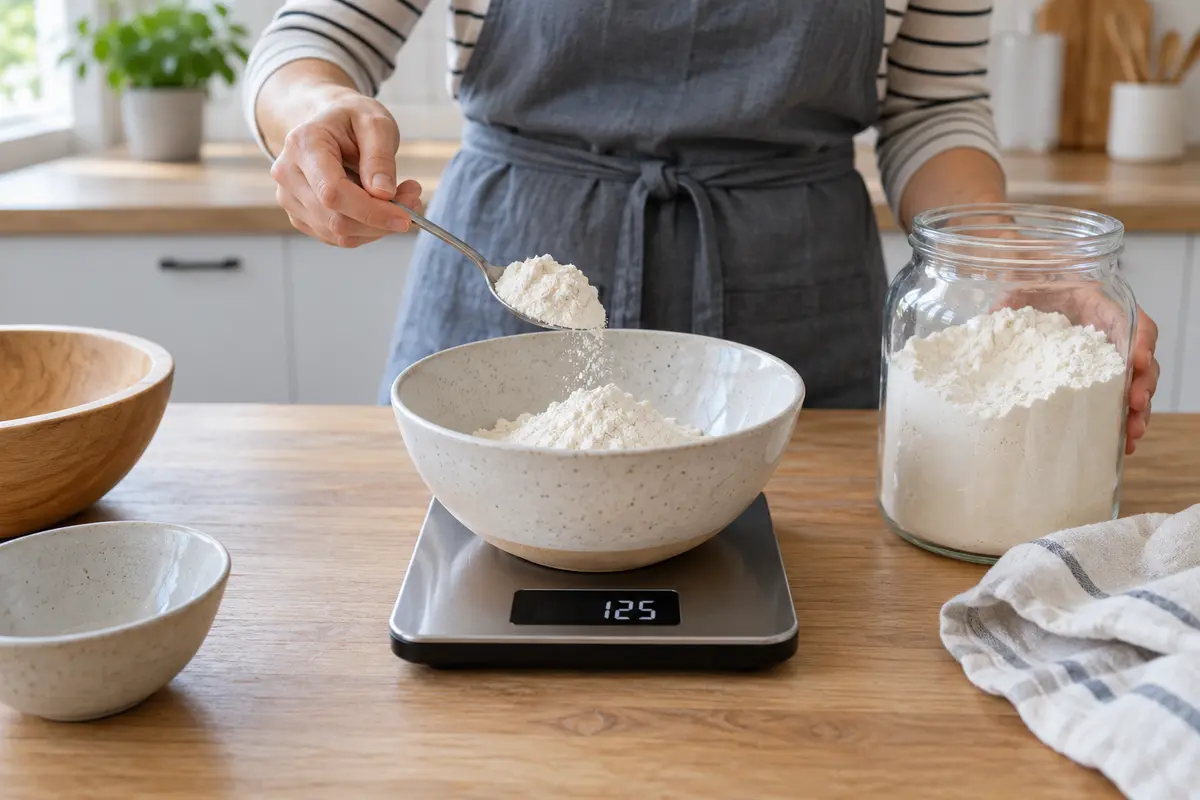
Mixing bowl, bench scraper, scale if available, and clean work surface.
Before you start
Use the recipe's flour type and measured amount. Keep a small reserve of flour rather than dusting the counter heavily at the start.
Form a shaggy mass
Combine until no loose pool of liquid remains. Rough edges and dry-looking patches are normal early in many doughs.
Allow hydration
Rest the dough when the recipe permits. Flour absorbs water over time, and a sticky mass may become easier without added flour.
Knead with purpose
Fold, press, and turn rather than tearing. Use a bench scraper to lift tacky dough from the surface.
Add flour cautiously
If the dough remains unmanageably wet after mixing and resting, add flour a teaspoon or tablespoon at a time, not handfuls.
Stop at the target
Some doughs become smooth and elastic; biscuits and pastry should stay minimally worked. Follow the specific recipe's texture cue.
What good progress looks like
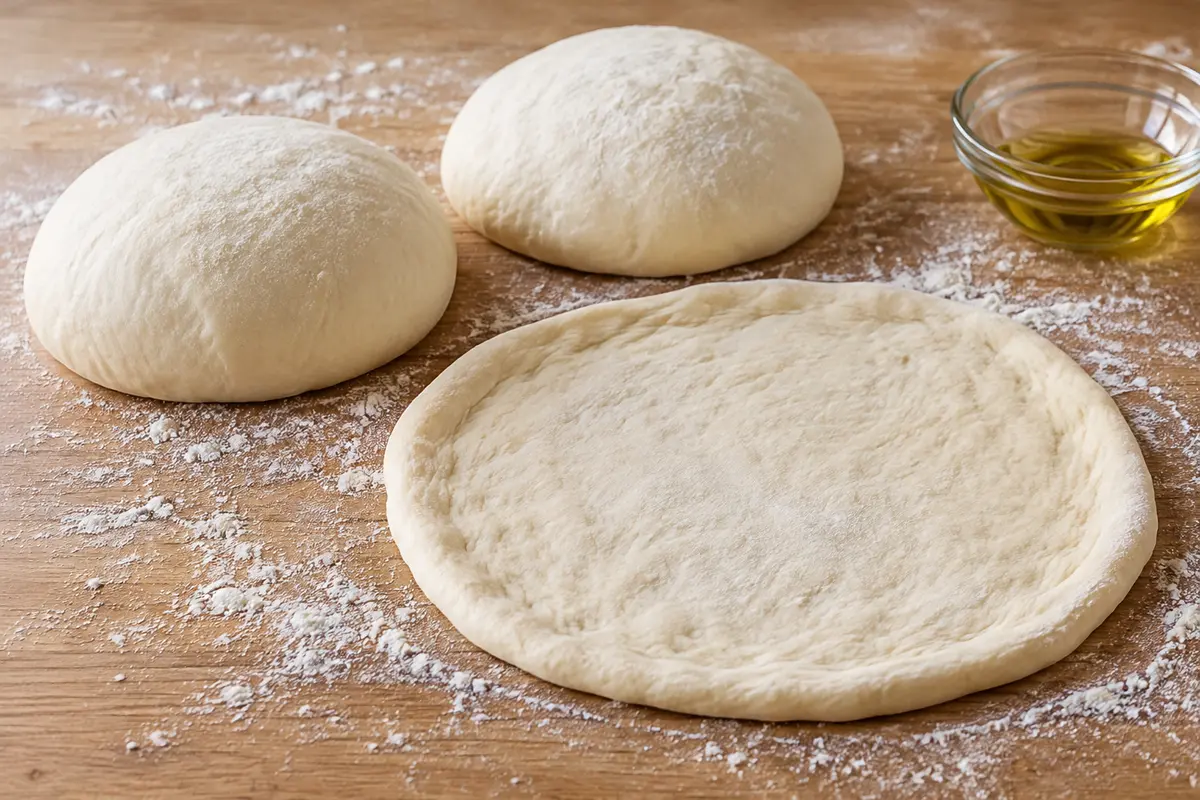
The dough holds together, feels tacky rather than gluey when appropriate, and changes toward the recipe's described smoothness without becoming stiff.
Common mistakes and a useful response
Trying to eliminate every trace of stickiness is the usual path to dry bread. Kneading pastry like bread destroys tenderness.
A small practice exercise
Mix a small flour-and-water practice dough, rest it ten minutes, and compare stickiness before and after the rest.
Keep the exercise small enough that you can pay attention. Repeating one controlled action teaches more than changing several variables in a complicated meal.