What you will learn
Combine wet and dry ingredients until hydrated while limiting unnecessary gluten development. The goal is not merely to copy motions. You will learn why the sequence works, which clues matter, and what to change when your stove, pan, ingredient size, or timing differs.
Why it matters
Beginners are often given short instructions without the decisions behind them. This lesson turns the vague parts into actions you can observe and repeat, so an ordinary variation does not force you to guess.
What you need
Two bowls, whisk, flexible spatula, and the recipe's pan.
Before you start
Preheat the oven and prepare the pan before wet and dry mixtures meet, especially when baking powder or soda begins reacting quickly.
Combine dry ingredients
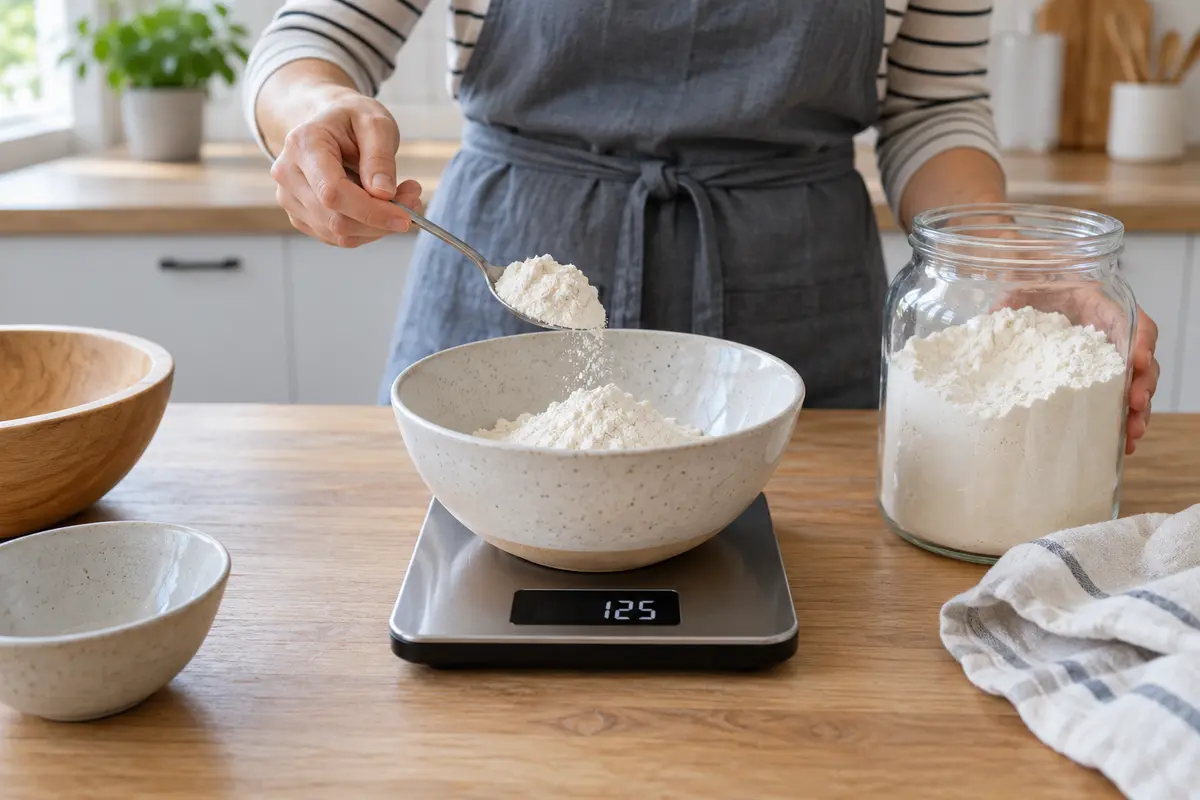
Whisk flour, leavener, salt, sugar, and dry spices so small powerful ingredients distribute evenly.
Combine wet ingredients
Whisk eggs, milk, melted fat, and flavorings separately. Cool hot melted butter so it does not cook eggs.
Make one clear addition
Pour wet into dry or follow the recipe's order. Use a spatula to reach the bottom and sides.
Stop at combined
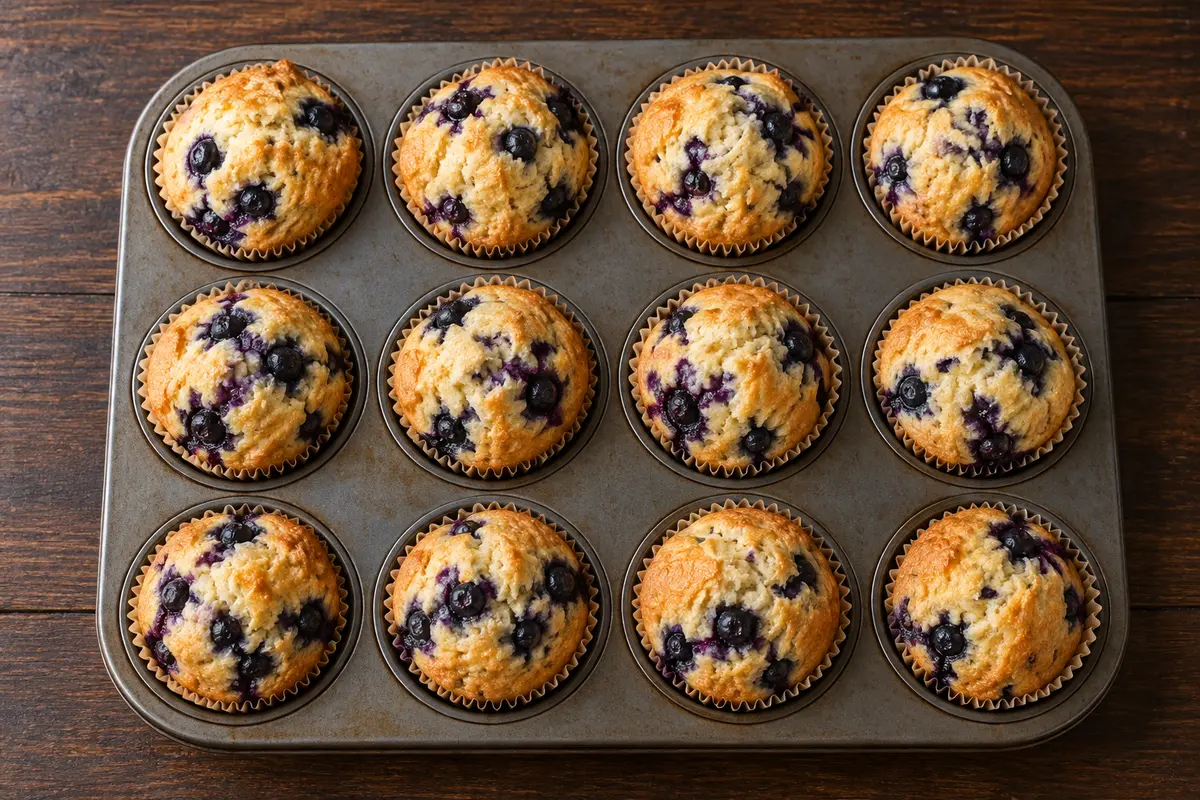
Fold until no large dry flour pockets remain. Small lumps in pancakes or muffins are often preferable to a perfectly smooth, overmixed batter.
Bake promptly
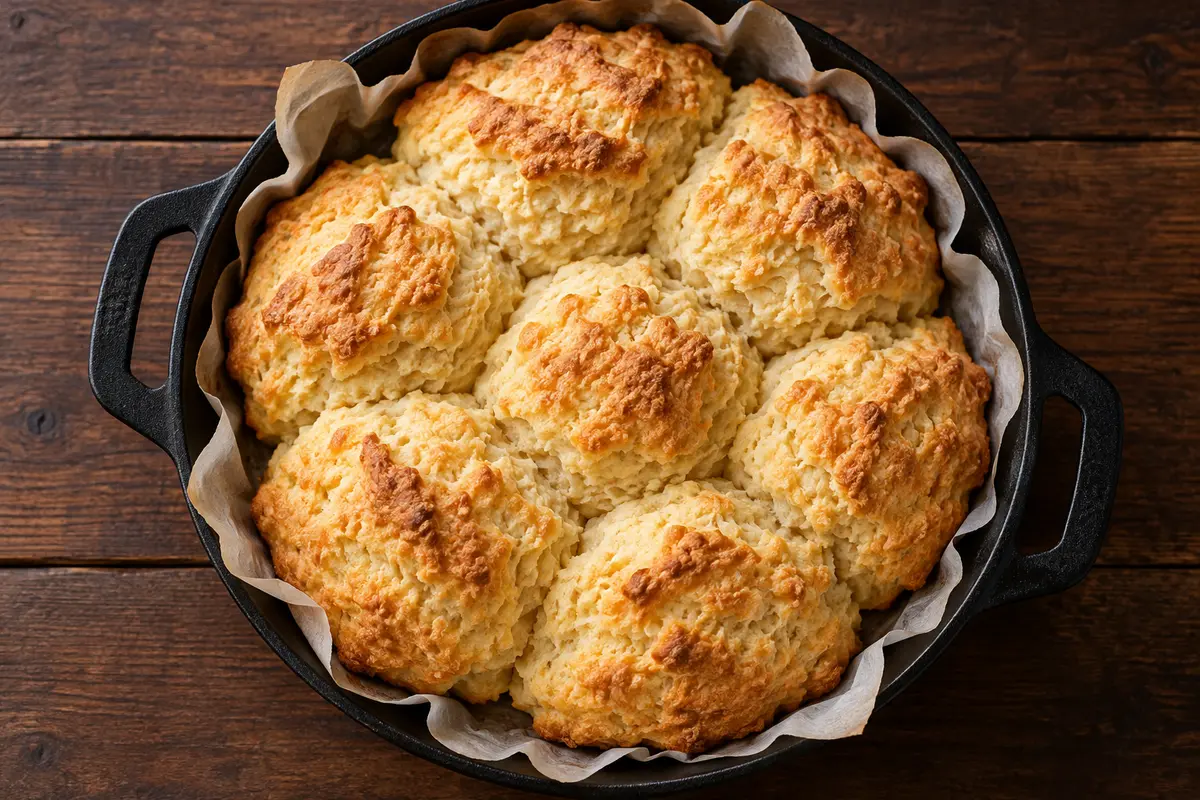
Transfer evenly to the prepared pan and bake at once unless the recipe specifically calls for resting.
What good progress looks like
The batter is evenly moist with a few small lumps, flows as described, and has no streaks of dry flour hidden at the bottom.
Common mistakes and a useful response
Beating after flour is hydrated can make quick breads rubbery or tunneled. Letting activated batter sit while the oven heats can reduce lift.
A small practice exercise
Make a small pancake batter and stir half just until combined and half for an extra minute. Compare the cooked texture.
Keep the exercise small enough that you can pay attention. Repeating one controlled action teaches more than changing several variables in a complicated meal.