What you will learn
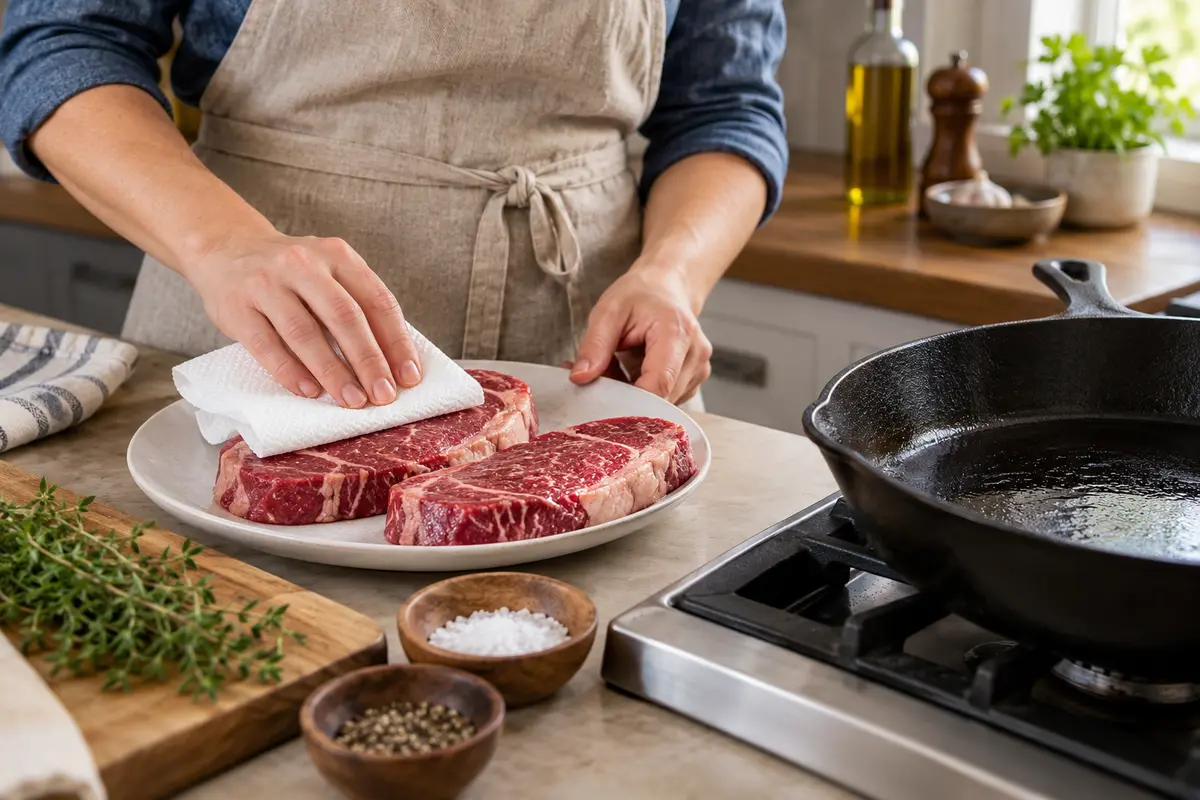
Dry the surface, let a crust form, and turn delicate fillets with confidence. The goal is not merely to copy motions. You will learn why the sequence works, which clues matter, and what to change when your stove, pan, ingredient size, or timing differs.
Why it matters
Beginners are often given short instructions without the decisions behind them. This lesson turns the vague parts into actions you can observe and repeat, so an ordinary variation does not force you to guess.
What you need
Nonstick or well-seasoned skillet, fish spatula, paper towel, and thermometer.
Before you start
Keep fish refrigerated until close to cooking. Remove pin bones if needed and pat the surface dry. Check for skin and thickness differences.
Choose moderate heat
Warm the skillet over medium and add a thin film of oil. Excessive heat makes thin fillets seize and burn.
Place presentation-side down
Lay the fish away from you to avoid splashing. For skin-on fillets, begin skin-side down and press gently for a few seconds to prevent curling.
Wait for release
Leave the fillet until the cooked color climbs partway up the side and the surface releases more easily.
Turn once
Slide a thin spatula fully underneath and support the top if necessary. Finish the second side for a shorter time.
Check the thickest part
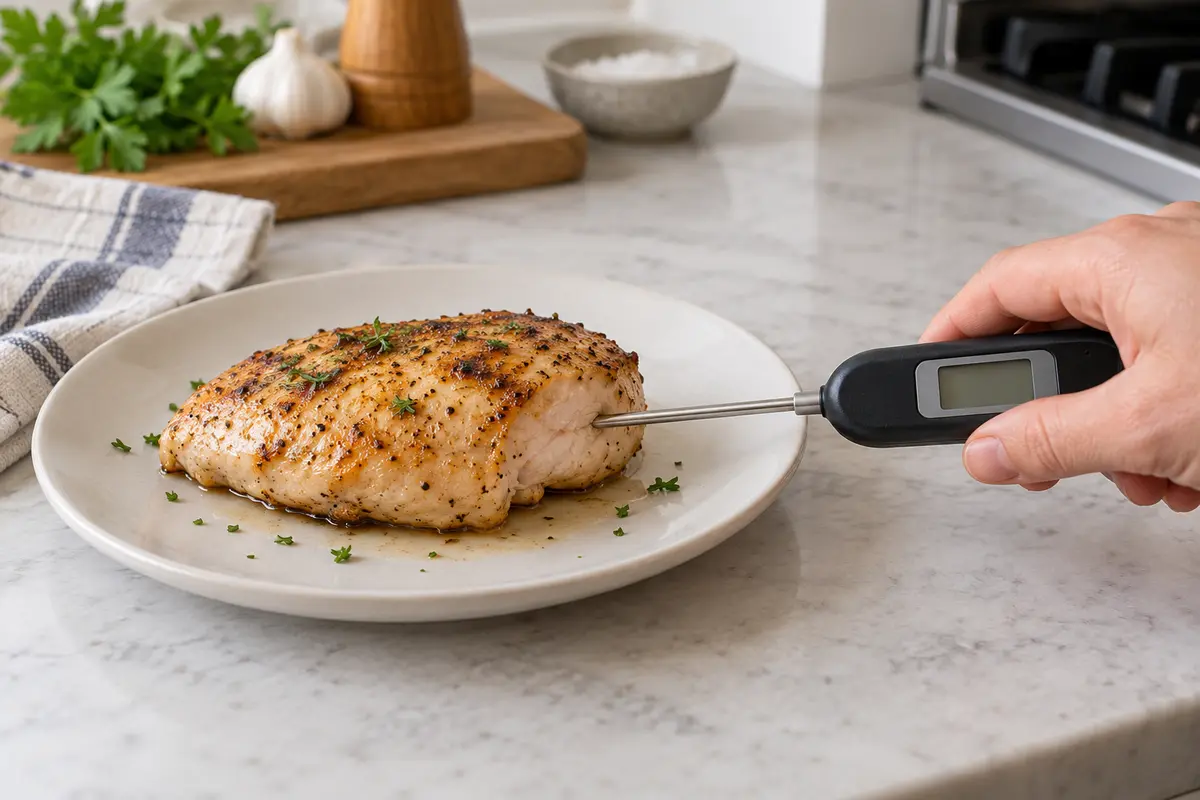
Fish should reach 145°F / 63°C. Remove promptly and use a clean plate; carryover heat continues briefly.
What good progress looks like
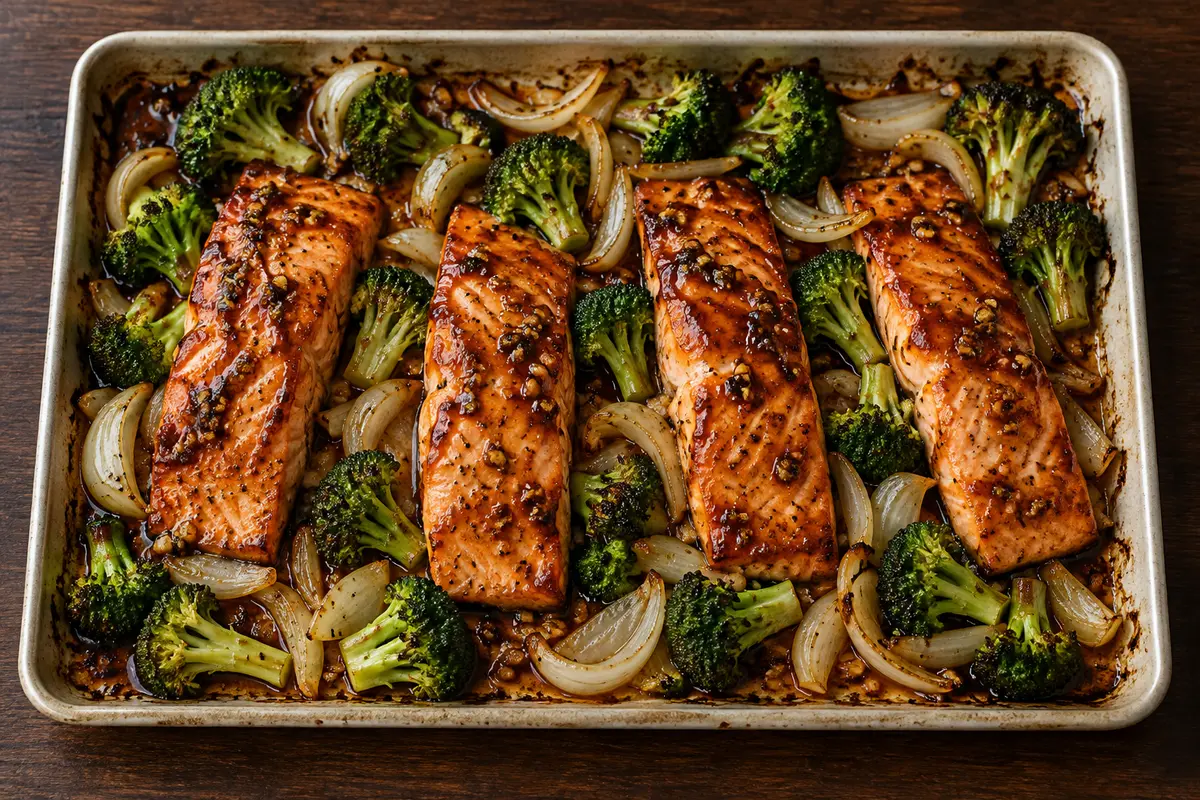
The fillet stays mostly intact, the contact side is lightly golden, and the thickest part reaches 145°F / 63°C without dry flakes throughout.
Common mistakes and a useful response
Trying to turn before a crust forms causes sticking. Repeated flipping breaks delicate flesh, while visual flaking alone is not a safety measurement.
A small practice exercise
Cook two small similar fillets and record when each naturally releases. Compare the thinner and thicker sections.
Keep the exercise small enough that you can pay attention. Repeating one controlled action teaches more than changing several variables in a complicated meal.