What you will learn
Give food an immediate, controlled start while protecting oil and cookware. The goal is not merely to copy motions. You will learn why the sequence works, which clues matter, and what to change when your stove, pan, ingredient size, or timing differs.
Why it matters
Beginners are often given short instructions without the decisions behind them. This lesson turns the vague parts into actions you can observe and repeat, so an ordinary variation does not force you to guess.
What you need
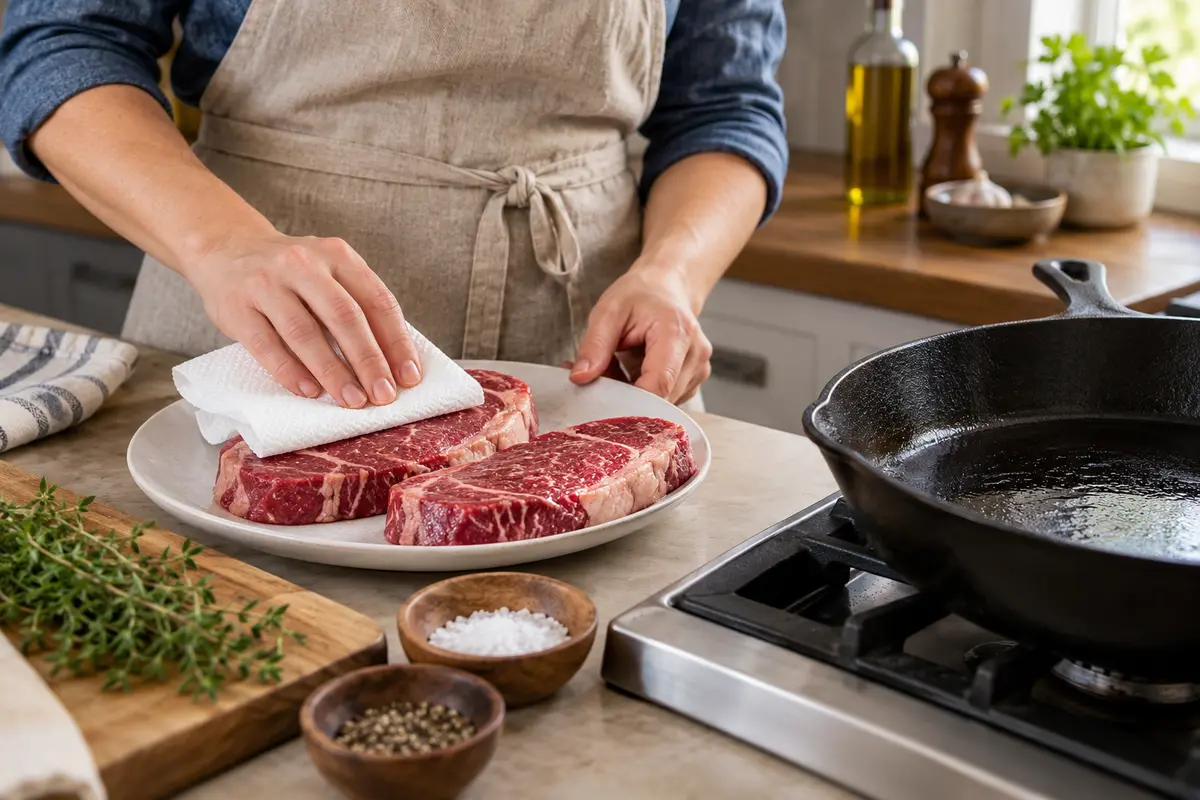
A skillet, cooking oil suited to the method, and the ingredient you are ready to cook.
Before you start
Prepare the ingredient before heating. Never leave an empty pan unattended, and follow the maker's heat limits, especially for nonstick cookware.
Choose moderate heat
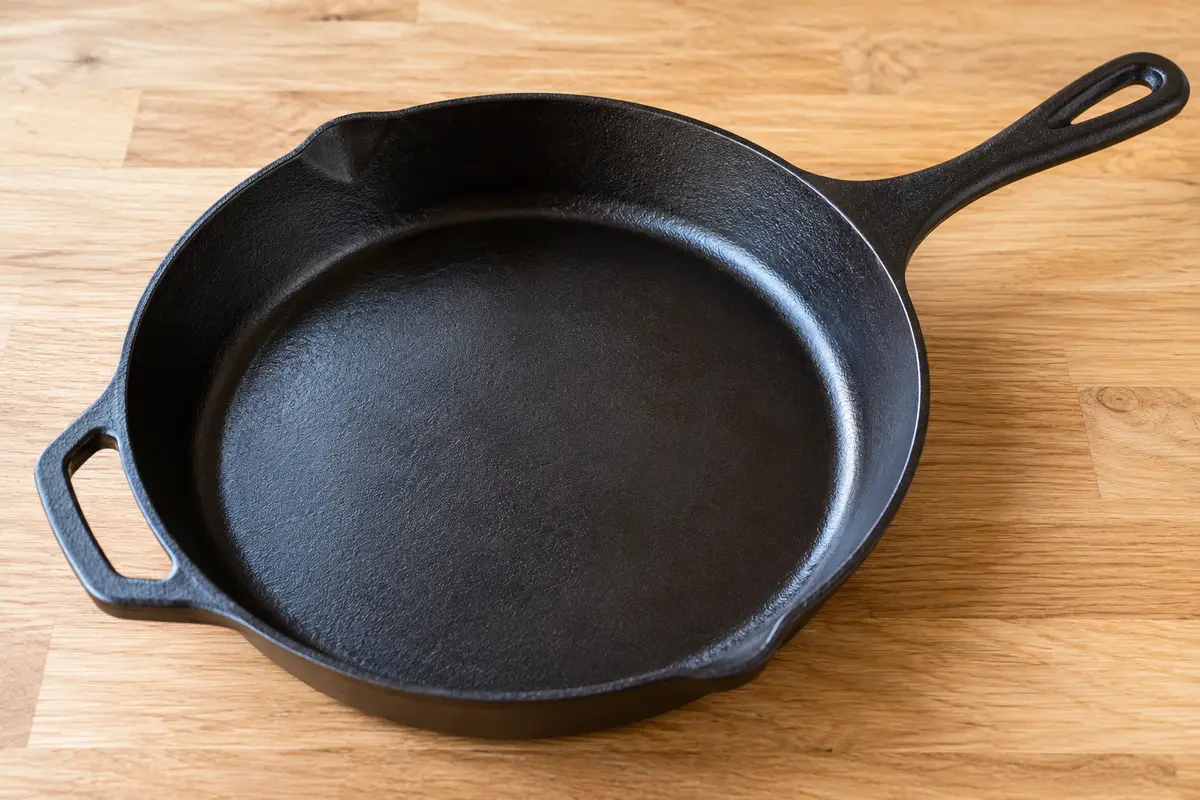
Set a stainless or cast-iron skillet over medium for most beginner sautés. Use medium-low for eggs and delicate foods.
Wait briefly
Allow a thin pan a minute or two and a heavy pan longer. You want even warmth, not visible smoke.
Add the fat
Add only the oil or butter the method needs and tilt to coat. Butter should foam gently; oil should move easily without smoking heavily.
Test with the actual food
Add one piece. A clear but controlled sizzle means the pan is ready. Silence means it needs more time; violent spitting means moisture or excess heat.
Continue promptly
Once ready, add the remaining food in a single layer. Do not let the oiled pan sit empty while you return to chopping.
What good progress looks like
The first piece sizzles steadily, the fat stays clear or gently foamy, and the food begins cooking without instantly blackening.
Common mistakes and a useful response
Water-drop tricks can be misleading and dangerous near hot oil. Smoke, scorched butter, or warped cookware are signs the pan went too far.
A small practice exercise
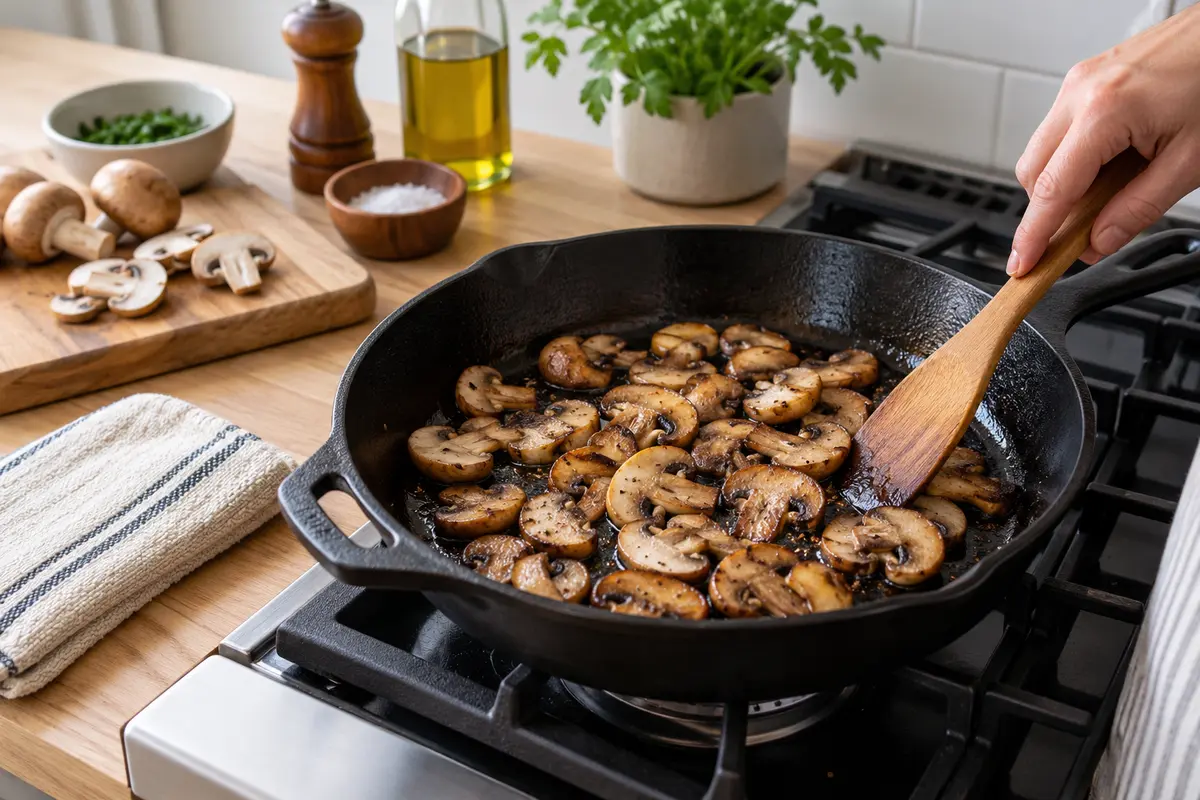
Cook two small batches of sliced mushrooms: one placed in a cold pan and one in a moderately preheated pan. Compare water release and browning.
Keep the exercise small enough that you can pay attention. Repeating one controlled action teaches more than changing several variables in a complicated meal.