What you will learn
Translate vague burner labels into observable behavior on your own stove. The goal is not merely to copy motions. You will learn why the sequence works, which clues matter, and what to change when your stove, pan, ingredient size, or timing differs.
Why it matters
Beginners are often given short instructions without the decisions behind them. This lesson turns the vague parts into actions you can observe and repeat, so an ordinary variation does not force you to guess.
What you need
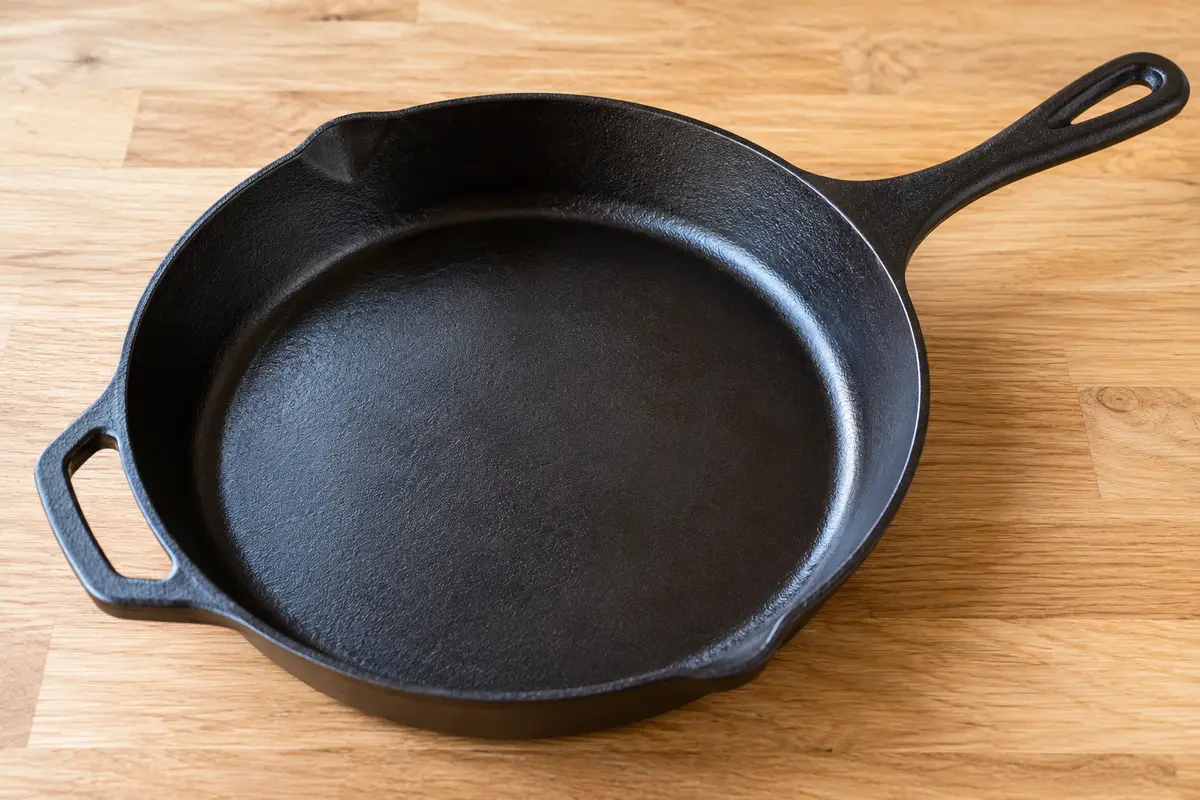
A saucepan, a skillet, water, and your stove's manual if available.
Before you start
Know whether you use gas, electric coil, radiant glass, or induction. Settings are relative; medium on one burner may be stronger than medium on another.
Start from the middle
Use medium for an unfamiliar skillet task unless the recipe clearly calls for something else. Give the pan time to respond before making another change.
Watch the food, not the knob
Low heat may barely move a sauce; medium should produce a steady sizzle for many sautés; high is mainly for bringing water up to temperature or specific fast methods.
Expect carryover
Heavy pans and electric elements stay hot after the setting changes. Move the pan briefly or switch burners if the food is racing ahead.
Adjust one step at a time
Turn the control a small amount and wait. Repeated swings from low to high make cooking harder to read.
Record useful settings
Note which burner and approximate position produced a gentle simmer or steady sauté. These personal landmarks are more useful than universal dial numbers.
What good progress looks like
The sound and bubbling stay steady rather than alternating between silence and smoke. Small control changes produce predictable changes after a short delay.
Common mistakes and a useful response
High heat is not a general way to cook faster. It can burn the exterior while the center remains raw and can damage empty nonstick cookware.
A small practice exercise
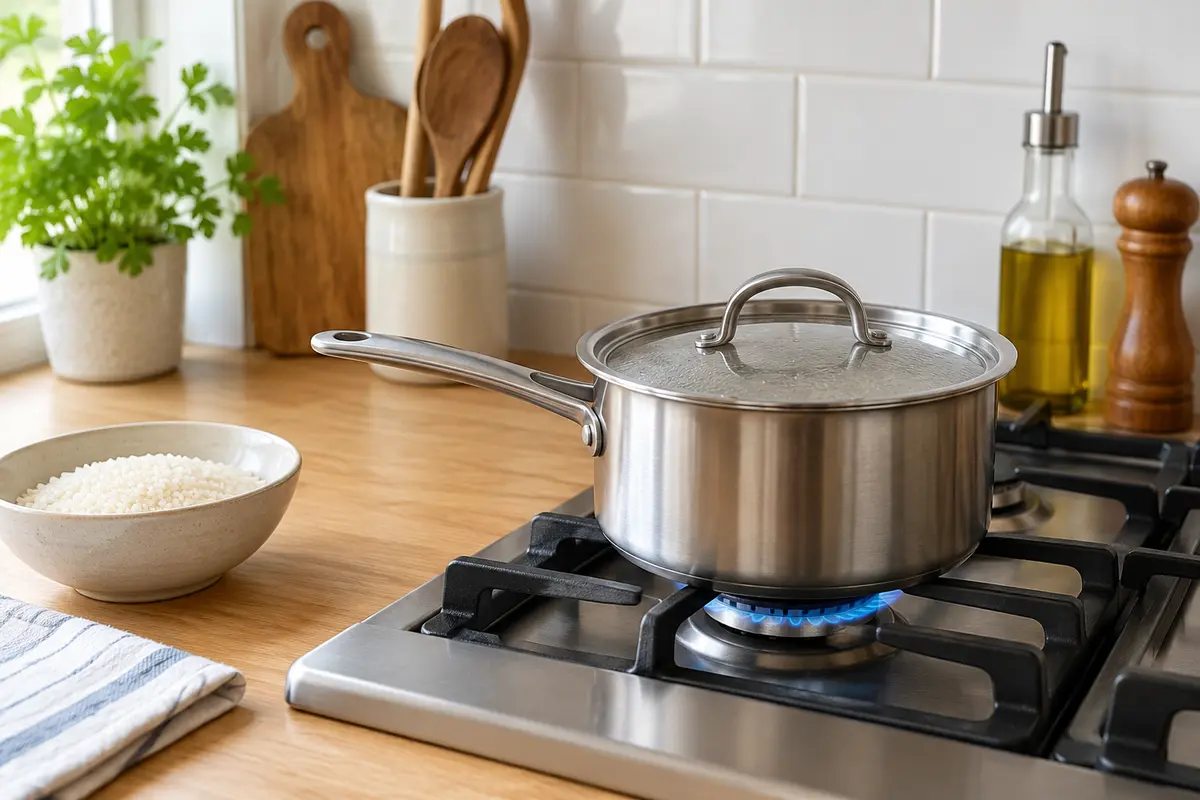
Heat one cup of water in a saucepan. Find the settings that hold a quiet poach, gentle simmer, and full boil, then turn the heat down again.
Keep the exercise small enough that you can pay attention. Repeating one controlled action teaches more than changing several variables in a complicated meal.