What you will learn
Choose greasing, parchment, flouring, or leaving the pan bare according to what is being baked. The goal is not merely to copy motions. You will learn why the sequence works, which clues matter, and what to change when your stove, pan, ingredient size, or timing differs.
Why it matters
Beginners are often given short instructions without the decisions behind them. This lesson turns the vague parts into actions you can observe and repeat, so an ordinary variation does not force you to guess.
What you need
The specified pan, parchment, fat or spray, scissors, and flour or cocoa when called for.
Before you start
Use the recipe's pan size and material when possible. A different depth changes baking time and can cause overflow.
Read the instruction exactly
Grease, line, grease and flour, or leave ungreased are different directions. They control release and how batter climbs.
Fit parchment
Cut a base round or sling that lies flat without tall loose folds near heating elements.
Apply a thin layer
Brush or wipe fat into corners without leaving thick puddles that fry the edges.
Dust if requested
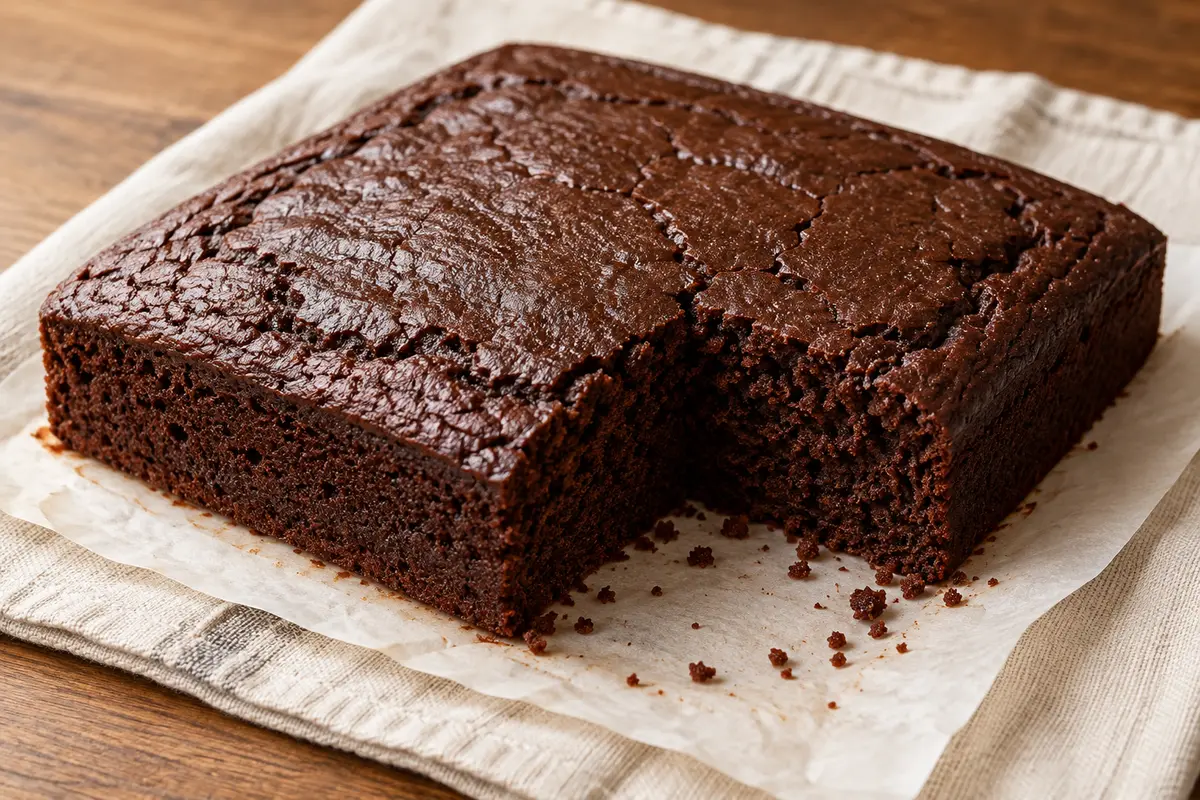
Add a spoonful of flour or cocoa, rotate to coat, and tap out the excess. Use cocoa for dark chocolate cakes when suitable.
Fill and level
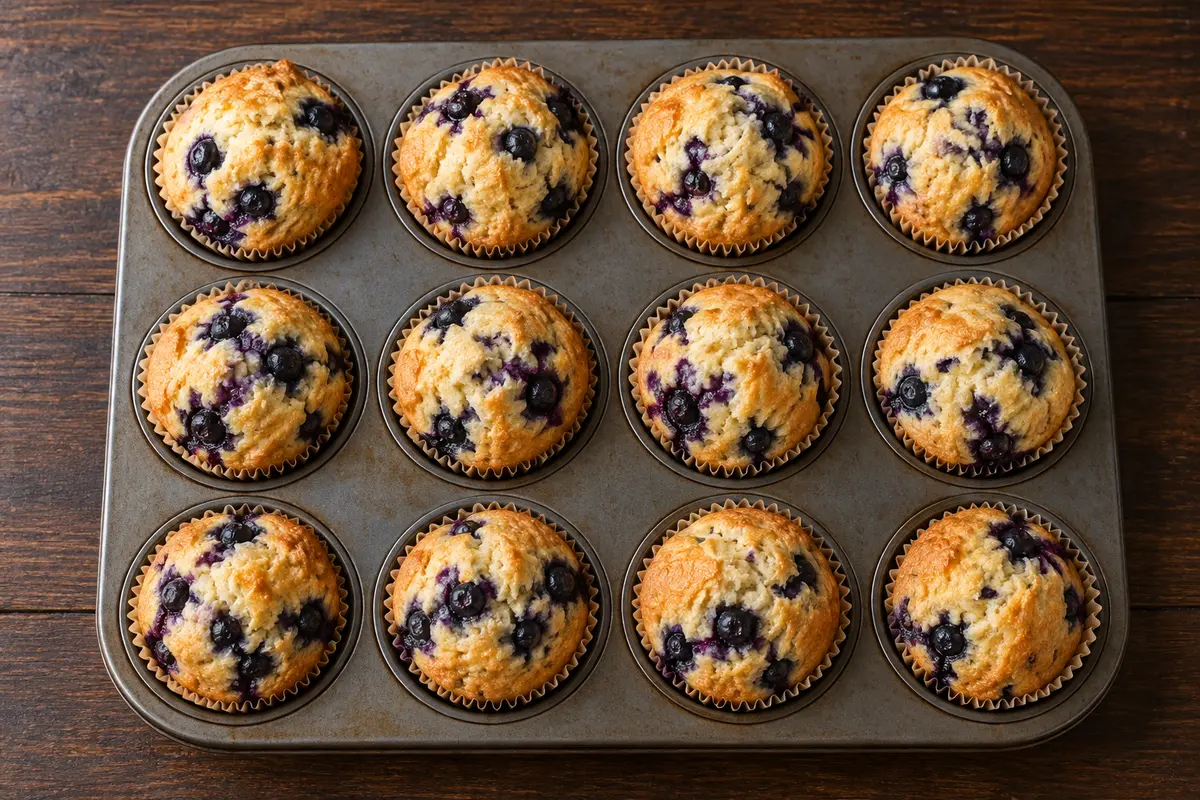
Divide batter evenly and wipe drips from the rim so you can judge rise and remove the baked item cleanly.
What good progress looks like
The lining lies flat, corners are coated, excess flour is removed, and the correct amount of batter leaves safe headroom.
Common mistakes and a useful response
Assuming all pans need heavy grease can keep foam cakes from climbing. Wax paper is not a general substitute for oven-safe parchment.
A small practice exercise
Line a square pan with a parchment sling, lift it out, and refit it until the corners sit flat.
Keep the exercise small enough that you can pay attention. Repeating one controlled action teaches more than changing several variables in a complicated meal.