Taste a small, safe sample
Use a clean spoon each time and let very hot food cool enough to taste clearly. Never taste raw meat mixtures or uncooked batter to check seasoning. Start by describing the dish in simple words: salty, sour, sweet, bitter, savory, rich, dry or thin.
Change one thing
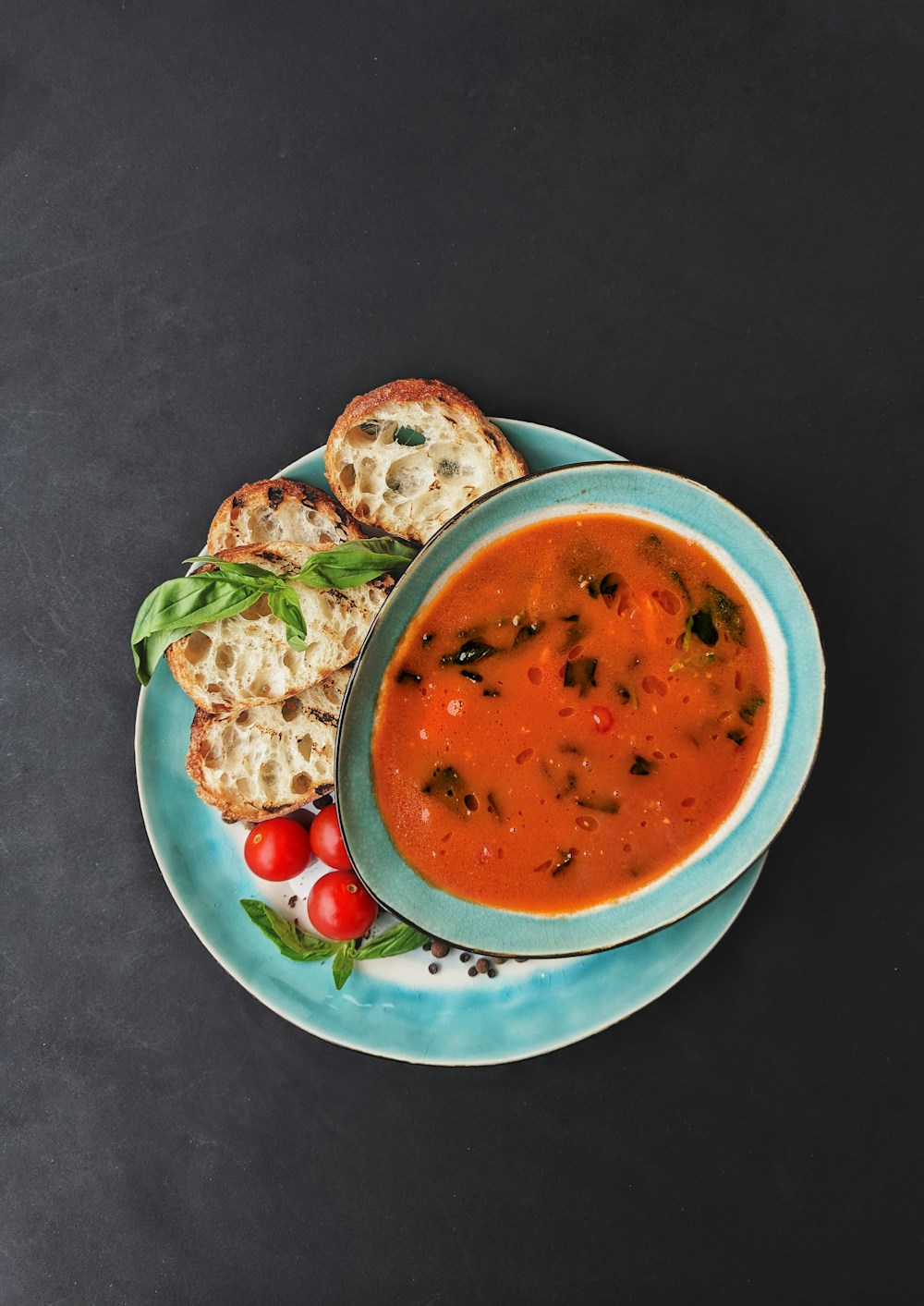
Put a spoonful of fully cooked soup in three small bowls. Leave one alone, add a tiny pinch of salt to another and a few drops of lemon to the third. Compare them before changing the whole pot. This helps separate a seasoning problem from a need for acidity.
Notice texture and aroma
A dish can have enough salt but feel heavy because every component is soft or rich. Consider a crisp topping, fresh herbs or a lighter sauce when it fits the cuisine. Smell the ingredients before and after cooking; toasted spices and raw spices can give very different impressions.
Build a useful record
Write a short note: what you changed, roughly how much and the effect. If a correction fails, stop adding ingredients at random. Dilution may help excess salt, but it changes the whole recipe; burnt flavors are rarely repairable by seasoning.
Your next kitchen exercise
Run the three-bowl soup comparison and write one sentence about each. Use the result to make one small adjustment to the remaining soup.