What you will learn
Brighten rich or dull flavors with lemon, vinegar, tomato, or another suitable acid. The goal is not merely to copy motions. You will learn why the sequence works, which clues matter, and what to change when your stove, pan, ingredient size, or timing differs.
Why it matters
Beginners are often given short instructions without the decisions behind them. This lesson turns the vague parts into actions you can observe and repeat, so an ordinary variation does not force you to guess.
What you need
A teaspoon, clean tasting spoons, and one suitable acidic ingredient.
Before you start
Confirm the dish is fully cooked and safe to taste. Choose an acid that belongs with its flavors and begin with a sample, not the entire pot.
Name the problem
Flat food may need salt, acid, more aroma, or more cooking. If it is already salty enough but feels heavy or muted, test acid.
Use a side sample
Move a spoonful to a small bowl and add one or two drops of lemon juice or vinegar. Compare with an untouched spoonful.
Add gradually
If the test is better, stir a small measured amount into the full dish. Acid spreads quickly, so pause before adding more.
Add at the right time
Fresh citrus and delicate vinegar often taste brightest near the end. Long cooking softens their sharpness and changes the result.
Rebalance
Taste again for salt, richness, and sweetness. The goal is clarity, not a dish that simply tastes sour.
What good progress looks like
The food tastes lighter and individual flavors are easier to notice, but the acid does not announce itself as a separate sour layer.
Common mistakes and a useful response
Lemon cannot undo excessive salt or burnt flavors. Adding a large splash directly to dairy can curdle it; temper or choose another correction.
A small practice exercise
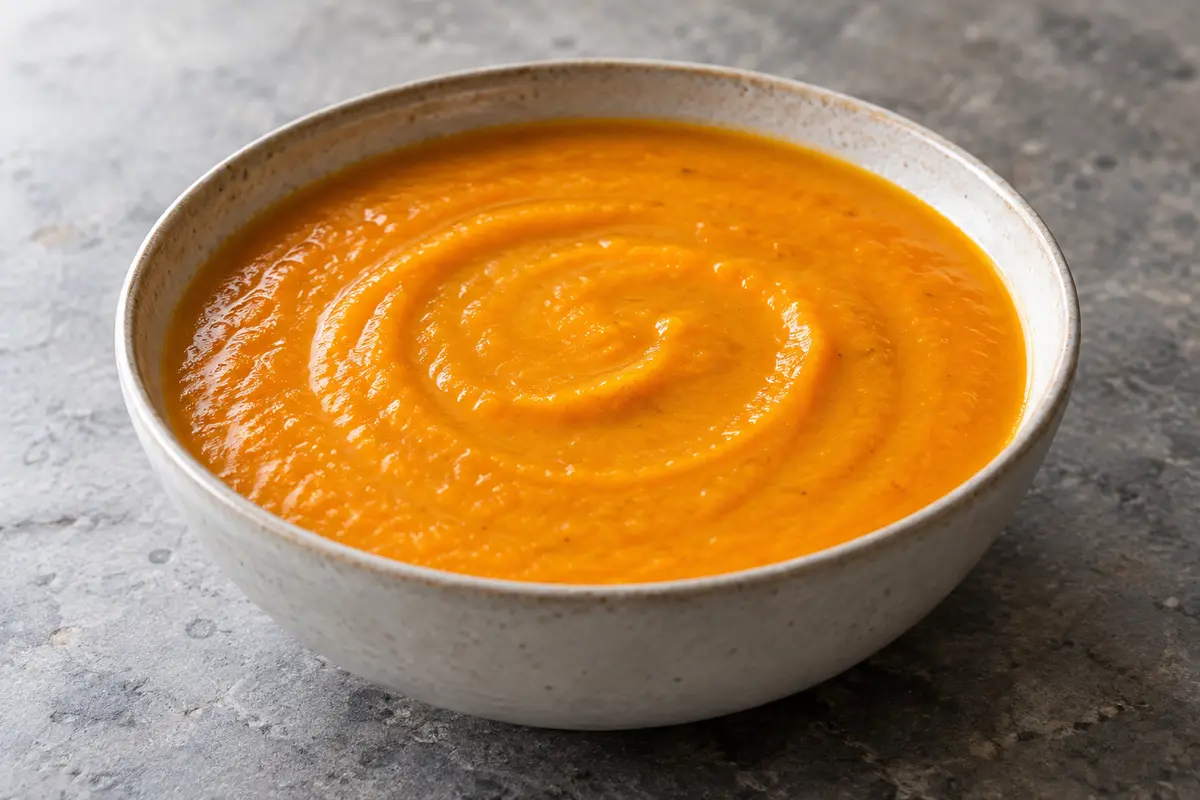
Compare three spoonfuls of soup: unchanged, with salt, and with two drops of acid. Decide which problem each addition solves.
Keep the exercise small enough that you can pay attention. Repeating one controlled action teaches more than changing several variables in a complicated meal.