What you will learn
Clean fruits and vegetables without soap and store them according to moisture needs. The goal is not merely to copy motions. You will learn why the sequence works, which clues matter, and what to change when your stove, pan, ingredient size, or timing differs.
Why it matters
Beginners are often given short instructions without the decisions behind them. This lesson turns the vague parts into actions you can observe and repeat, so an ordinary variation does not force you to guess.
What you need
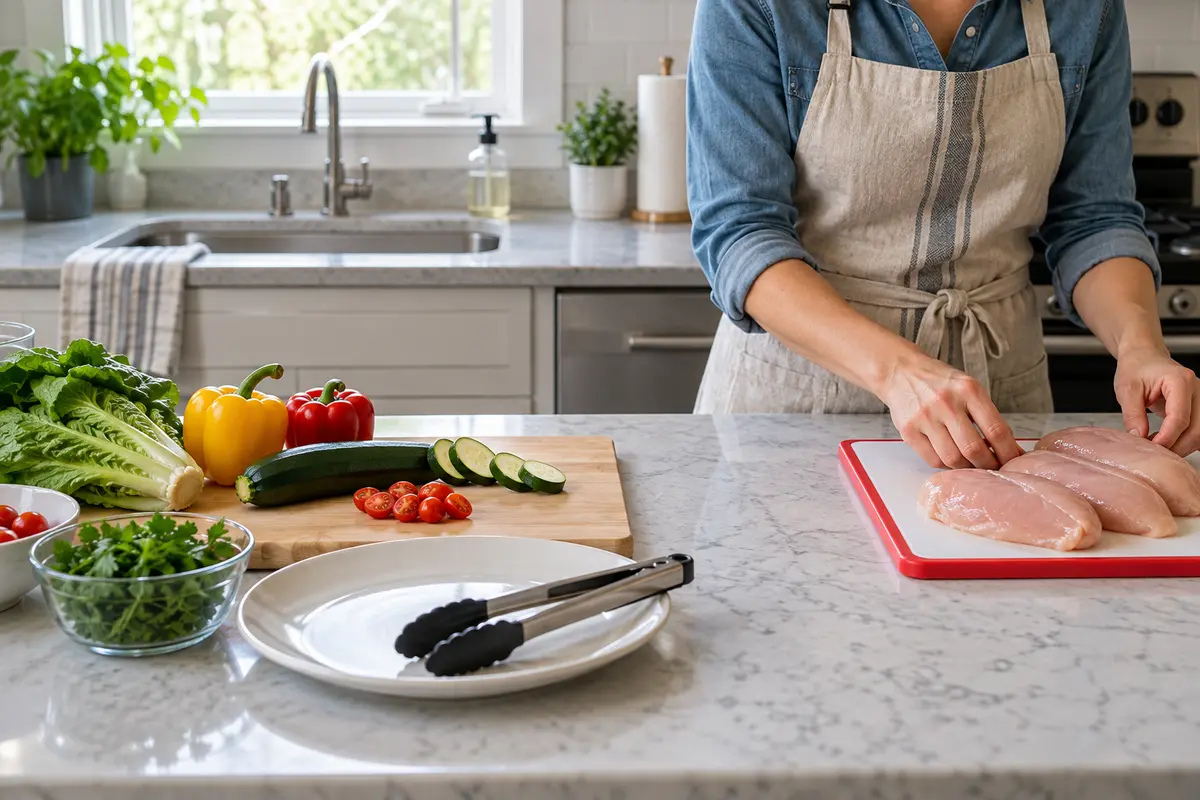
Cool running water, clean brush for firm produce, towels, and suitable containers.
Before you start
Wash hands and clean the sink first. Keep produce away from raw-meat splashes and damaged reusable shopping bags.
Wash before cutting
Rinse produce under running water even if you will peel it, so the knife does not carry surface dirt inward. Do not use dish soap or bleach on food.
Scrub firm surfaces
Use a clean produce brush for potatoes, melons, and other firm items. Remove damaged areas with a clean knife.
Dry when storage needs it
Excess moisture speeds deterioration for many berries and greens. Dry thoroughly or wash close to use unless your storage method is designed for prewashed produce.
Control humidity
Use refrigerator drawers and breathable or lined containers according to the produce. Keep ethylene-sensitive items away from strong ethylene producers when practical.
Inspect before use
Discard slimy, extensively moldy, or spoiled produce. Trim only when the food type and extent make trimming appropriate.
What good progress looks like
Produce is clean, dry enough for its storage method, protected from raw foods, and easy to see before it spoils.
Common mistakes and a useful response
Soaking in a dirty sink can spread contamination. Washing berries and sealing them while wet often speeds mold.
A small practice exercise
Wash and dry one bunch of greens, store it with an absorbent towel, and compare its condition over several days.
Keep the exercise small enough that you can pay attention. Repeating one controlled action teaches more than changing several variables in a complicated meal.