Sides & salads
Tangy cabbage apple slaw uses ordinary grocery-store ingredients and teaches a clear assemble workflow with visual cues for beginners.
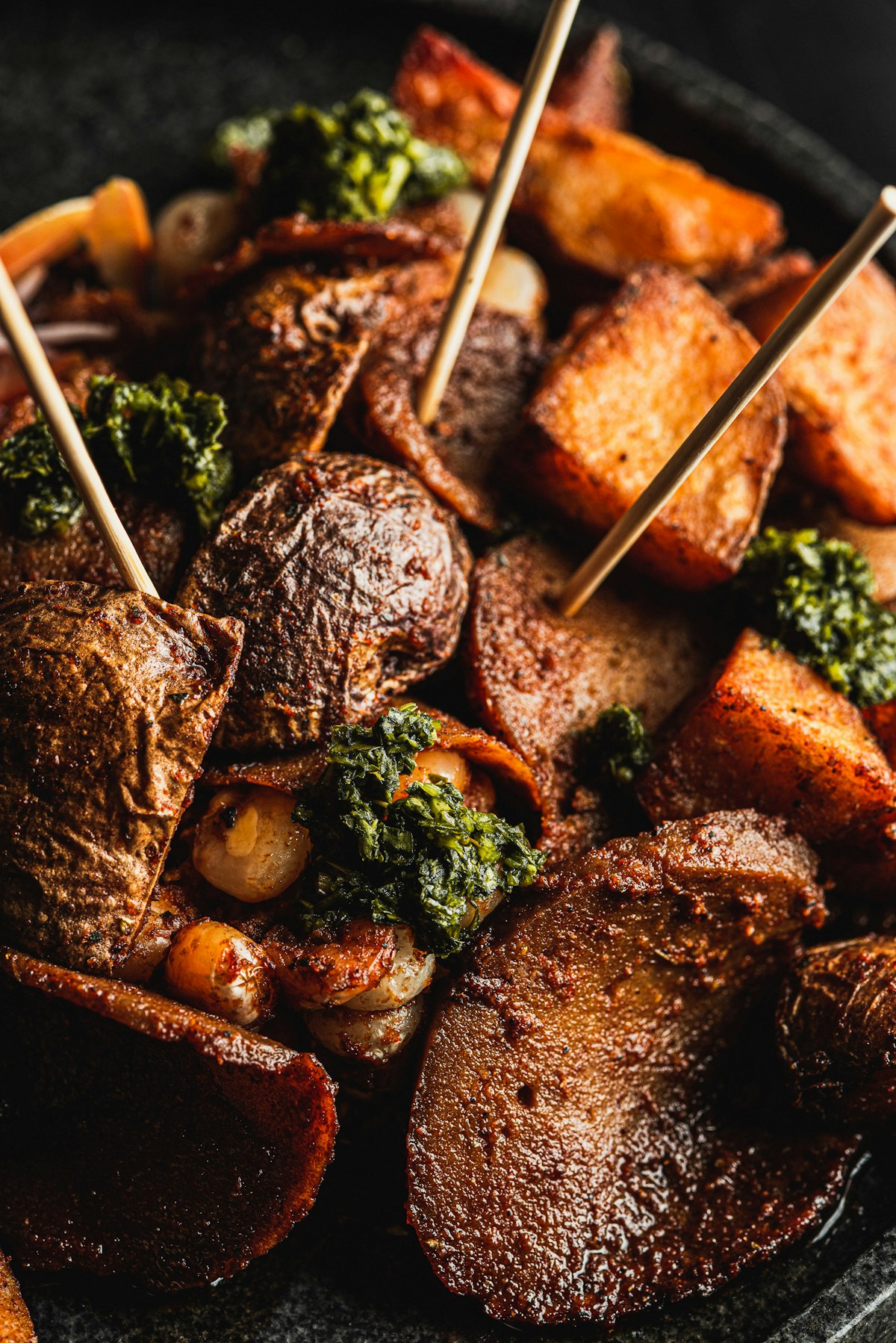
Category inspiration, not a photograph of this recipe. Recipes are AI-assisted and not independently kitchen-tested.
Read the full recipe. Clear the counter, wash produce, and measure every ingredient. Prepare the named main and supporting ingredients as listed; keep raw meat or seafood, its board, and its utensils separate from ready-to-eat food. Pat washed produce dry so the dressing is not diluted.
Whisk the oil or dressing, acid, salt, and flavorings in a large bowl for 30–45 seconds, until evenly blended. Taste only ingredients that are safe to eat.
Add the prepared components and fold with a large spoon for 30–60 seconds. Stop when everything is lightly coated; vigorous mixing can bruise delicate ingredients.
Serve immediately for the crispest texture, or cover and chill for up to 30 minutes. If liquid collects, toss once more rather than adding extra salt.
Use the listed substitution notes below; ingredient swaps can change moisture, structure, allergens, and timing.
Refrigerate perishable leftovers promptly. Read our food storage guide.
Read all four steps for tangy cabbage apple slaw. Measure the ingredients, prepare the main and supporting ingredients exactly as listed, preheat cookware or the oven only when directed, and keep raw-protein tools separate.
Difficulty: Easy. The recipe uses familiar equipment and four clearly sequenced steps. The key skill is controlling a vegetables, sides, and salads workflow while watching the food rather than relying only on a timer.
The pan or oven is hotter than expected. Lower the heat, move the pan away from the strongest burner area, and continue gently. If it tastes burned throughout, start over rather than masking it.
Crowding, excess surface moisture, or low heat is trapping steam. Current batch: spread it out or work in batches. Next time, dry ingredients and preheat the cooking surface.
Ingredient size, starting temperature, and equipment vary. Continue in short increments and use the stated visual cue or safe internal temperature; never serve unsafe meat, seafood, or egg because the clock expired.
The supporting ingredient in tangy cabbage apple slaw can be replaced with a similar vegetable in the same cut size. A different protein, flour, egg replacer, dairy substitute, or grain may require different liquid and cooking time; for a major swap, use a recipe designed for it. Recheck all allergen labels.
Dietary label: Vegetarian. This describes the listed base recipe, not cross-contact safety.
Cool perishable food promptly in shallow containers and refrigerate within 2 hours, or 1 hour above 90°F / 32°C. For best quality, use most cooked dishes within 3–4 days. Reheat cooked leftovers to 165°F / 74°C. Discard food with an uncertain time or temperature history; reheating does not make every storage mistake safe.
Sources: FoodSafety.gov safe temperatures and USDA leftovers guidance.
Browse 100 beginner cooking tips, practice mise en place, or use the kitchen troubleshooting guide.