What you will learn
Use lower heat and stop before residual heat pushes tender proteins too far. The goal is not merely to copy motions. You will learn why the sequence works, which clues matter, and what to change when your stove, pan, ingredient size, or timing differs.
Why it matters
Beginners are often given short instructions without the decisions behind them. This lesson turns the vague parts into actions you can observe and repeat, so an ordinary variation does not force you to guess.
What you need
Nonstick skillet or saucepan, flexible spatula, bowl, and clean plate.
Before you start
Crack eggs into a bowl, remove shell fragments, and prepare the plate and seasonings before heating the pan.
Use gentle heat
Medium-low or low heat gives egg proteins time to set gradually. Butter should foam softly rather than brown immediately.
Move with purpose
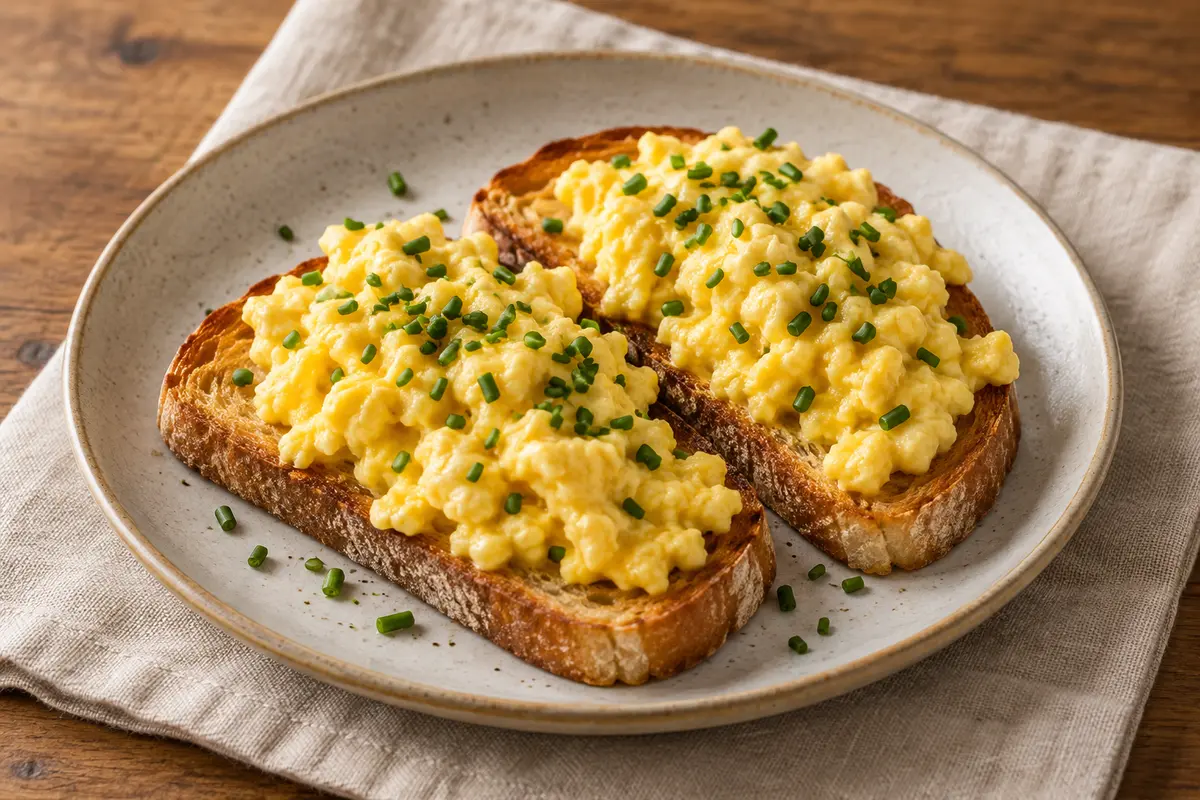
For scrambled eggs, sweep broad curds from the edges toward the center. Pause between strokes instead of whisking constantly in the pan.
Watch the shine
Remove scrambled eggs while they still look slightly glossy but no liquid raw egg remains; carryover heat continues on the plate.
Serve promptly
A hot skillet keeps cooking after the burner is off. Transfer eggs rather than holding them in the pan.
Correct the next batch
If eggs weep water or feel tough, lower the heat and shorten the finish instead of adding more fat to disguise them.
What good progress looks like
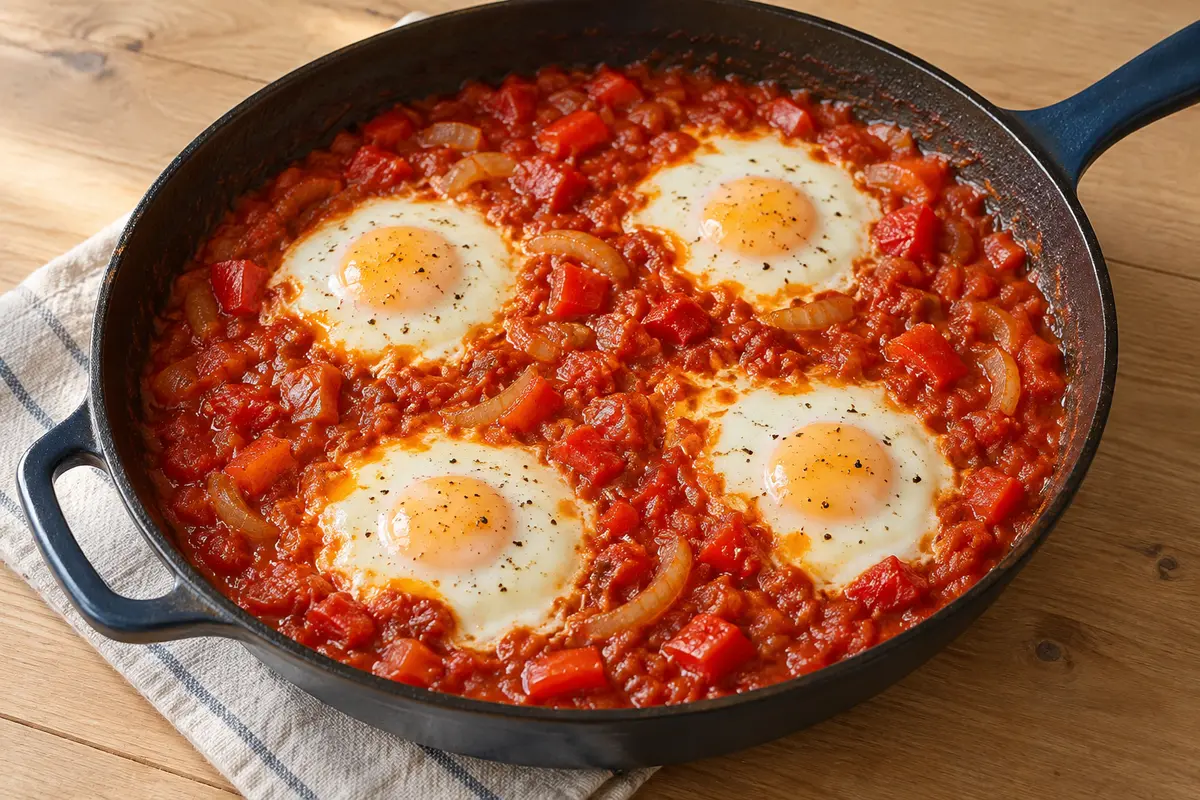
Curds are soft, moist, and defined; fried whites are tender; no browned hard layer develops unless intentionally desired.
Common mistakes and a useful response
High heat and holding eggs in the pan are the main causes of toughness. Milk does not guarantee tenderness if the heat is excessive.
A small practice exercise
Scramble two eggs on low heat and two on high heat, using the same amount of fat. Compare curd size and moisture.
Keep the exercise small enough that you can pay attention. Repeating one controlled action teaches more than changing several variables in a complicated meal.