What you will learn
Set the white without scorching its underside or leaving slippery raw patches. The goal is not merely to copy motions. You will learn why the sequence works, which clues matter, and what to change when your stove, pan, ingredient size, or timing differs.
Why it matters
Beginners are often given short instructions without the decisions behind them. This lesson turns the vague parts into actions you can observe and repeat, so an ordinary variation does not force you to guess.
What you need
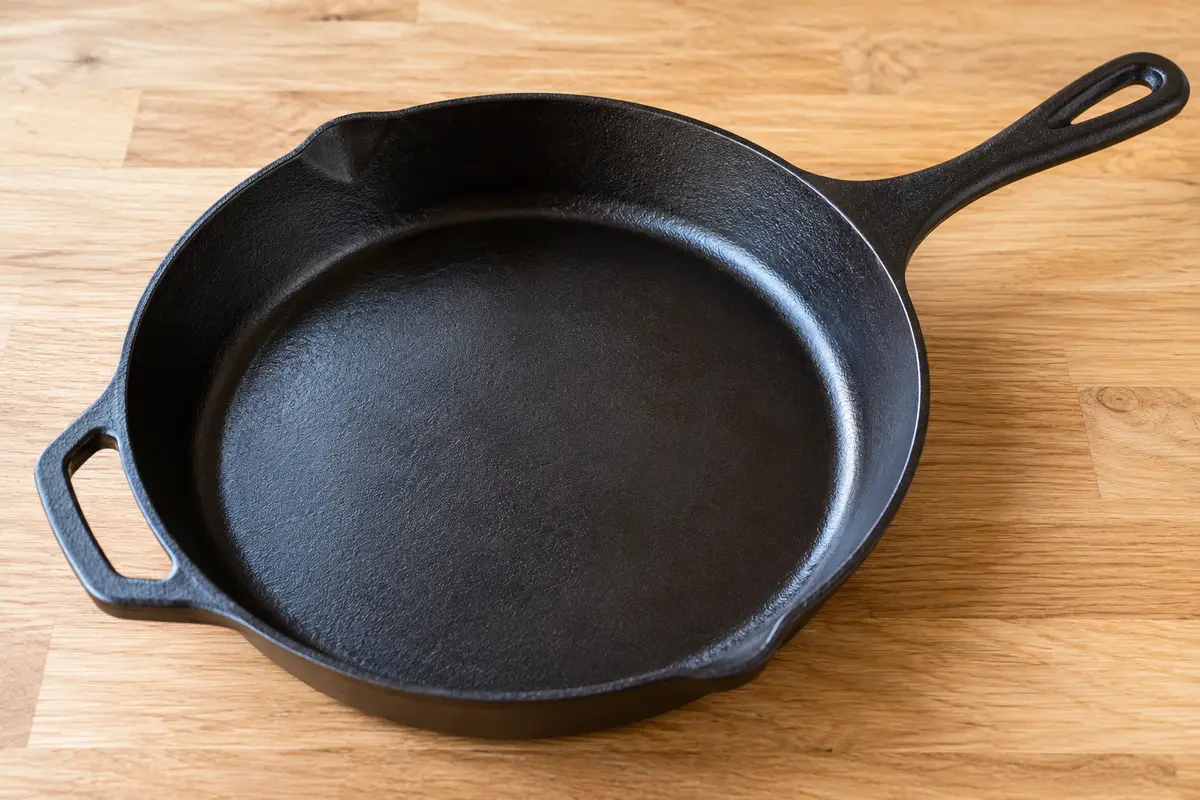
A small nonstick or well-seasoned skillet, spatula, small bowl, and a lid.
Before you start
Use clean, uncracked eggs and wash hands after touching shells. Crack each egg into a bowl first so shell fragments are easy to remove.
Warm gently
Heat the skillet over medium-low and add a small amount of butter or oil. The fat should coat the pan without smoking.
Slide in the egg
Bring the bowl close to the pan and tip the egg in gently. Season lightly after the white begins to turn opaque.
Control the underside
Keep the heat low enough that the edges do not become dark before the upper white sets. Reduce heat if loud crackling begins.
Use trapped steam if needed
For a set top without flipping, add a teaspoon of water away from the egg and cover briefly. Keep clear of the steam.
Lift when ready
The white should be opaque and firm. Cook the yolk to your preference, recognizing that people at higher foodborne-illness risk may need fully cooked eggs.
What good progress looks like
The white changes from clear to opaque from the edges inward and releases with a thin spatula. The underside is pale gold, not black.
Common mistakes and a useful response
High heat creates lacy burned edges and a raw film around the yolk. Cracking directly over the skillet can add shell and makes gentle placement harder.
A small practice exercise
Fry two eggs on medium-low heat, covering the second briefly. Note how steam changes the surface without needing a flip.
Keep the exercise small enough that you can pay attention. Repeating one controlled action teaches more than changing several variables in a complicated meal.