What you will learn
Avoid hard centers, waterlogged edges, and broken pieces. The goal is not merely to copy motions. You will learn why the sequence works, which clues matter, and what to change when your stove, pan, ingredient size, or timing differs.
Why it matters
Beginners are often given short instructions without the decisions behind them. This lesson turns the vague parts into actions you can observe and repeat, so an ordinary variation does not force you to guess.
What you need
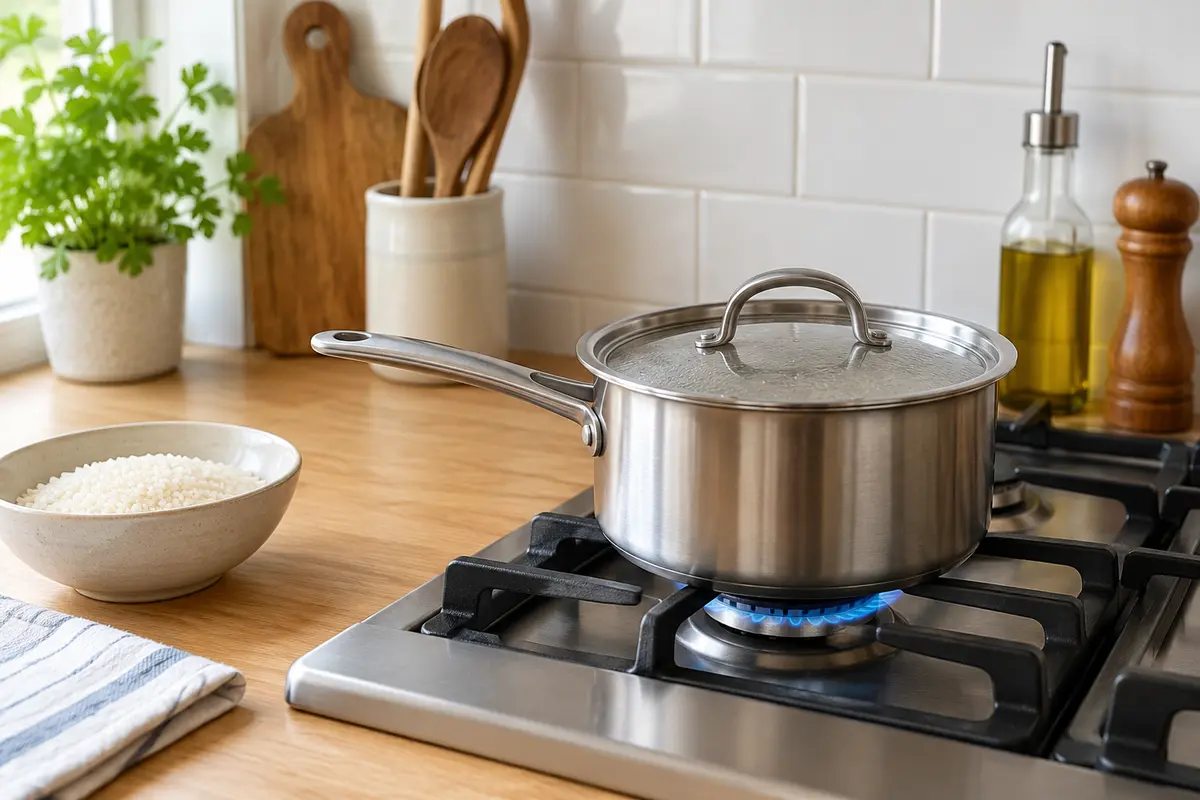
A saucepan, knife, colander, and fork or paring knife.
Before you start
Choose similar potato varieties and cut pieces to a consistent thickness. Green potatoes or extensively sprouted, spoiled potatoes should be discarded appropriately.
Start with even pieces
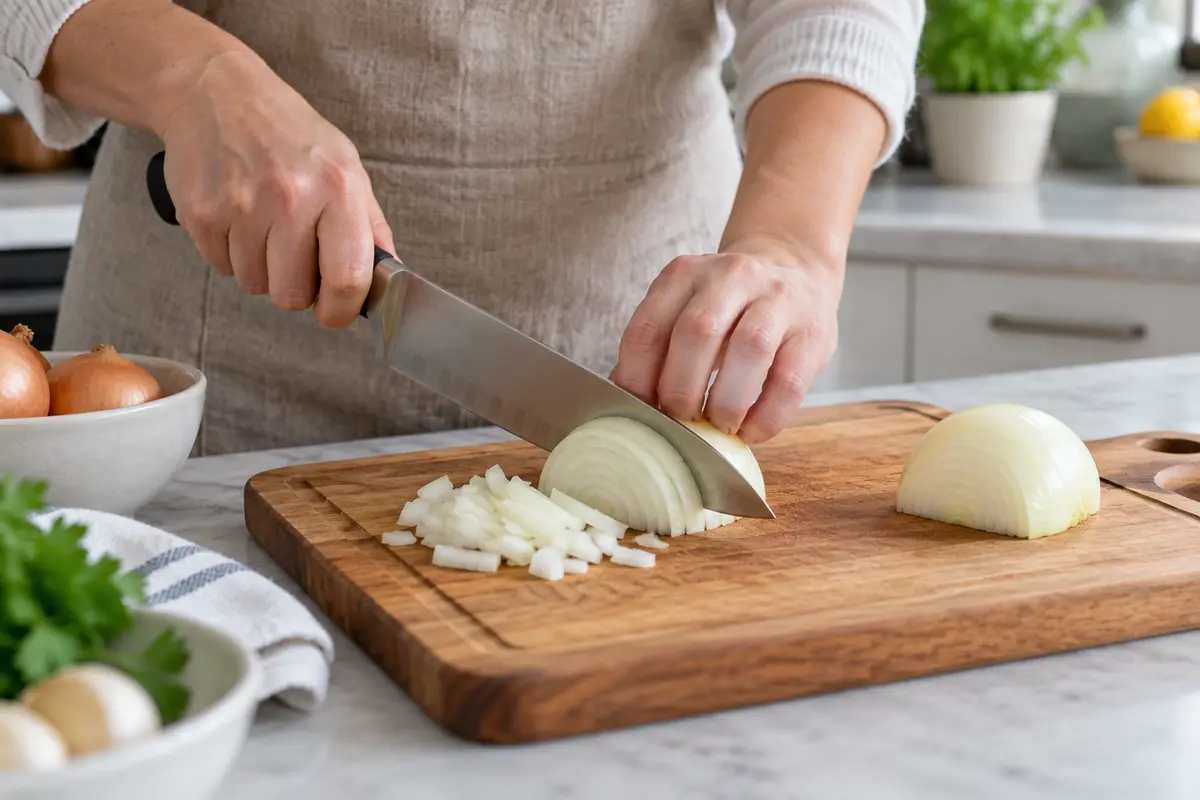
Leave small potatoes whole or cut larger ones into similar chunks. Very small pieces absorb more water and break easily.
Use cold salted water
Cover potatoes with cold water by about an inch so the centers and edges heat together. Add a moderate amount of salt.
Bring up gradually
Bring to a boil, then reduce to a steady simmer. A violent boil knocks pieces against each other and breaks their surfaces.
Test the largest
Insert a thin knife or fork into a large piece. It should enter with little resistance but the potato should not disintegrate.
Drain and dry
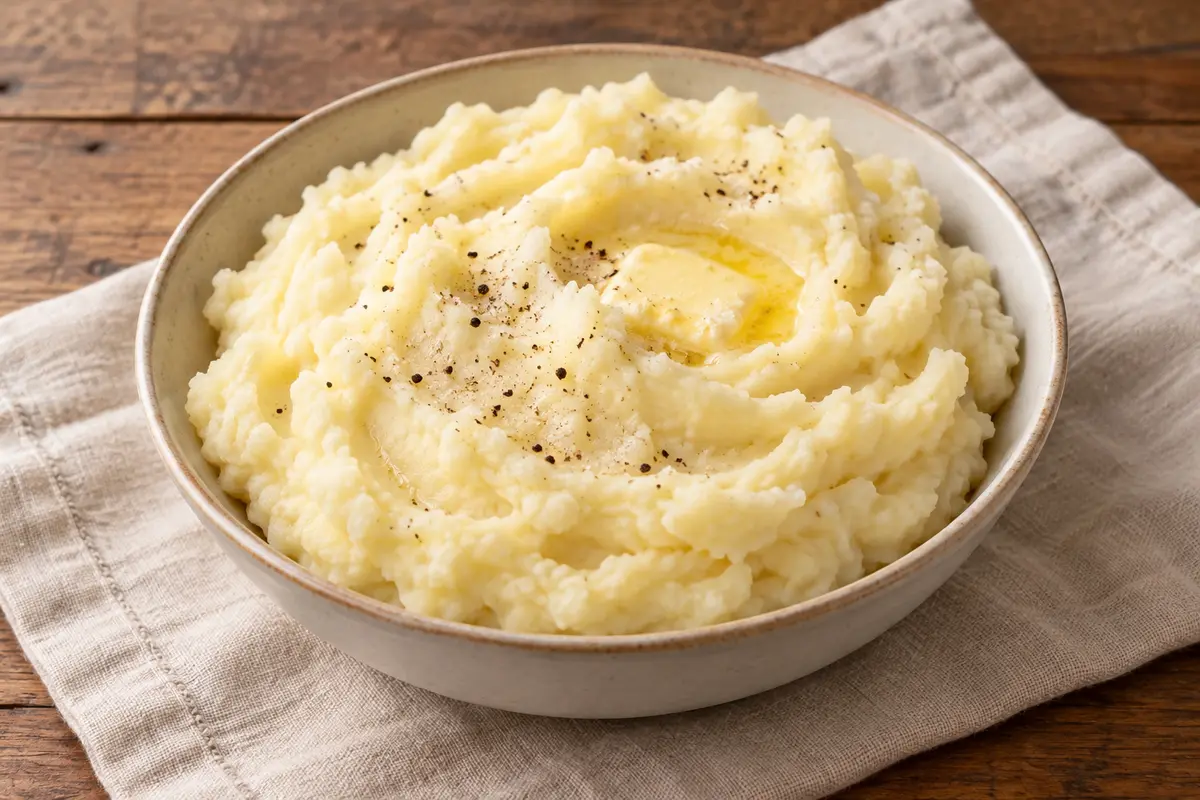
Drain immediately, return to the warm pot off heat, and let surface steam escape for a minute before mashing or dressing.
What good progress looks like
The largest piece is tender through the center, edges remain mostly intact, and drained surfaces look dry rather than glossy with water.
Common mistakes and a useful response
Dropping chunks into already boiling water can soften the outside before the center. Leaving cooked potatoes in water makes them waterlogged.
A small practice exercise
Boil equal-size chunks and remove one every few minutes near doneness. Cut each open and compare the center.
Keep the exercise small enough that you can pay attention. Repeating one controlled action teaches more than changing several variables in a complicated meal.