What you will learn
Manage washing water, salt, crowding, and cooking order for better texture. The goal is not merely to copy motions. You will learn why the sequence works, which clues matter, and what to change when your stove, pan, ingredient size, or timing differs.
Why it matters
Beginners are often given short instructions without the decisions behind them. This lesson turns the vague parts into actions you can observe and repeat, so an ordinary variation does not force you to guess.
What you need
Clean towels, a wide pan or sheet pan, and a colander.
Before you start
Wash vegetables, then dry the surfaces thoroughly. Thaw frozen vegetables as directed and drain excess liquid when the method requires it.
Start dry
Spin leafy greens or pat sturdy vegetables dry. Water on the surface must evaporate before oil can help browning.
Cut for the method
Thin pieces release water quickly; thick pieces take longer to soften. Keep thickness reasonably consistent within each vegetable.
Use enough area
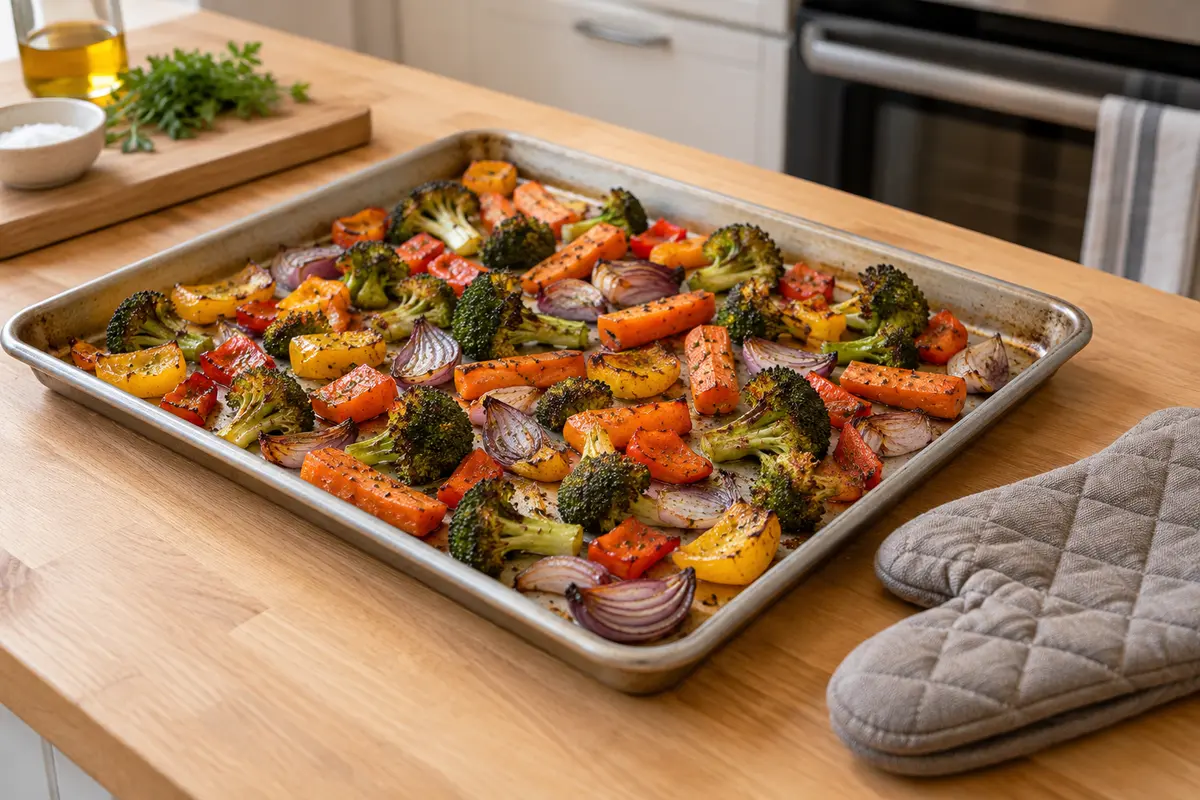
Spread vegetables instead of heaping them. Roast on two trays or sauté in batches when necessary.
Salt at the useful time
Salt draws moisture from some vegetables. For mushrooms or zucchini, follow the recipe and avoid letting salted raw pieces sit unless draining is intentional.
Let moisture escape
Cook uncovered for browning and allow pooled liquid to evaporate before adding sauce. Raise heat moderately only if the pan and food can handle it.
What good progress looks like
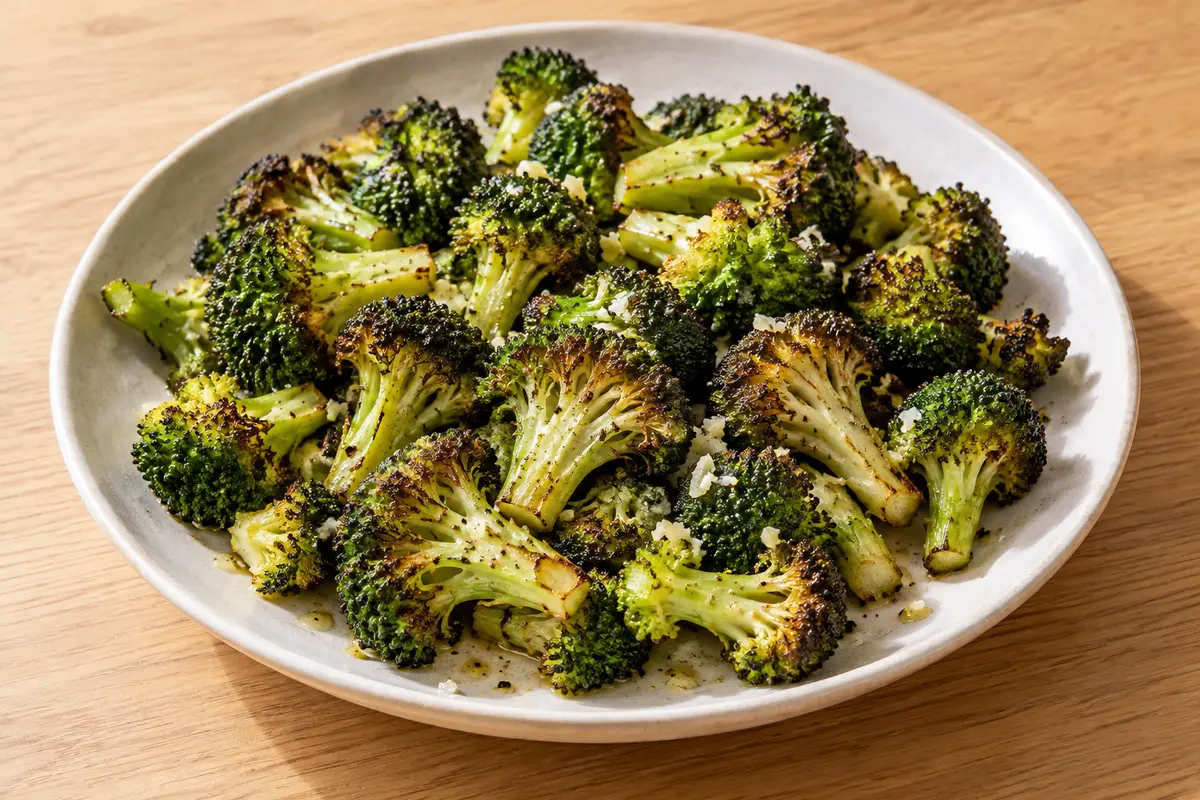
The pan stays mostly dry, edges color, and the vegetables are tender without sitting in their own diluted juices.
Common mistakes and a useful response
Covering the pan, overcrowding, or adding watery sauce too early traps steam. Excessively high heat can burn the outside before released water evaporates.
A small practice exercise
Sauté zucchini in two batches, one dried and loosely spaced and one still damp and crowded. Compare after five minutes.
Keep the exercise small enough that you can pay attention. Repeating one controlled action teaches more than changing several variables in a complicated meal.