What you will learn
Portion, wrap, label, and thaw food so the freezer becomes useful storage rather than a mystery box. The goal is not merely to copy motions. You will learn why the sequence works, which clues matter, and what to change when your stove, pan, ingredient size, or timing differs.
Why it matters
Beginners are often given short instructions without the decisions behind them. This lesson turns the vague parts into actions you can observe and repeat, so an ordinary variation does not force you to guess.
What you need
Freezer-safe containers or bags, labels, marker, and freezer.
Before you start
Freeze food while it is still within a safe refrigerator window. Check that containers are intended for freezing and leave expansion room for liquids.
Choose freezer-friendly food
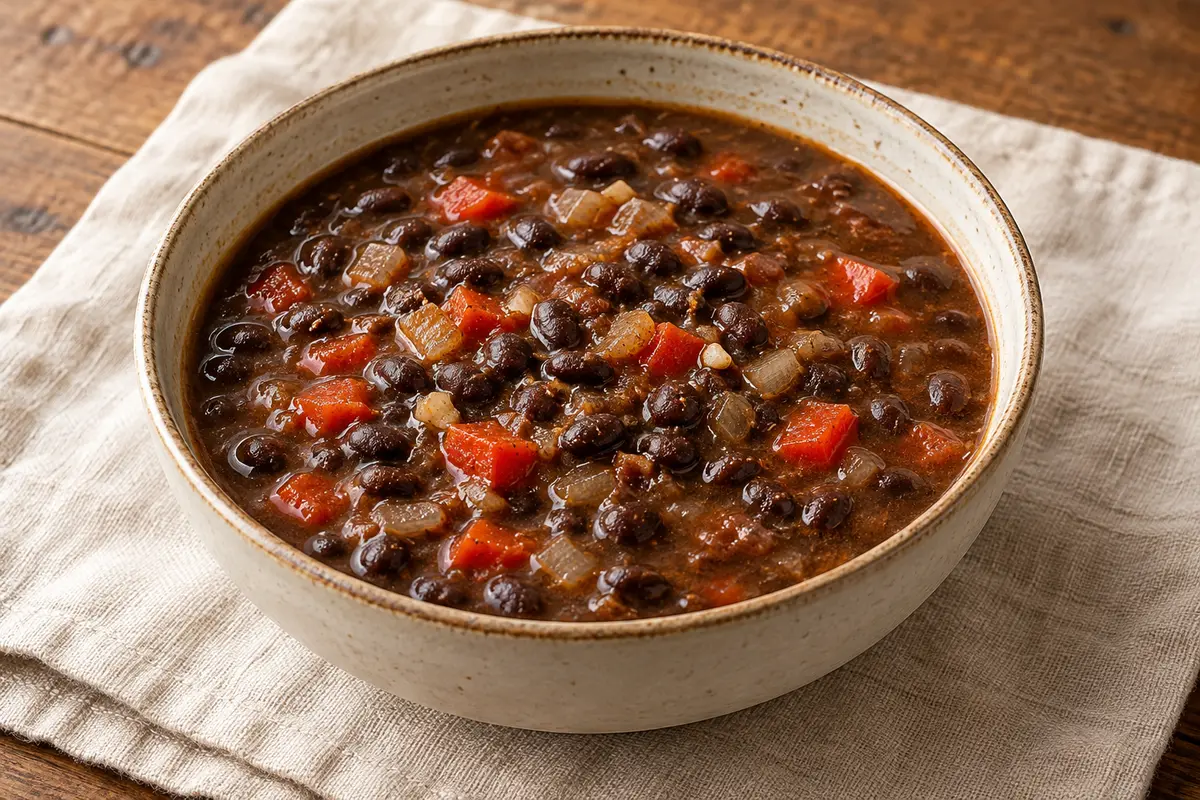
Soups, beans, cooked grains, sauces, and many casseroles freeze well. Crisp salads, some creamy emulsions, and watery raw produce may suffer.
Portion for a real meal
Freeze one or two servings rather than a solid family-size block when that matches how you eat.
Remove excess air
Press air from bags and use containers close to the food volume. Air encourages freezer burn and flavor loss.
Label completely
Write the name, date, and reheating note. Freeze flat bags only where they cannot leak or be punctured.
Rotate and review
Place new food behind older food and keep a simple freezer list. Quality declines even while continuously frozen food may remain safe.
What good progress looks like
Packages are thin or meal-sized, tightly closed, clearly dated, and easy to identify without thawing.
Common mistakes and a useful response
Freezing does not reset food that is already old, and an unlabeled opaque container rarely gets used. Overfilled glass containers may crack as liquid expands.
A small practice exercise
Portion one cooled soup into two serving sizes, label both with the same date, and note how long each takes to thaw later.
Keep the exercise small enough that you can pay attention. Repeating one controlled action teaches more than changing several variables in a complicated meal.