What you will learn
Combine time, appearance, touch, temperature, and a tester instead of trusting one clue. The goal is not merely to copy motions. You will learn why the sequence works, which clues matter, and what to change when your stove, pan, ingredient size, or timing differs.
Why it matters
Beginners are often given short instructions without the decisions behind them. This lesson turns the vague parts into actions you can observe and repeat, so an ordinary variation does not force you to guess.
What you need
Timer, wooden tester, oven mitts, and instant-read thermometer when useful.
Before you start
Start checking near the recipe's early time, not long before. Opening the oven too early can collapse delicate structure.
Look at the edges
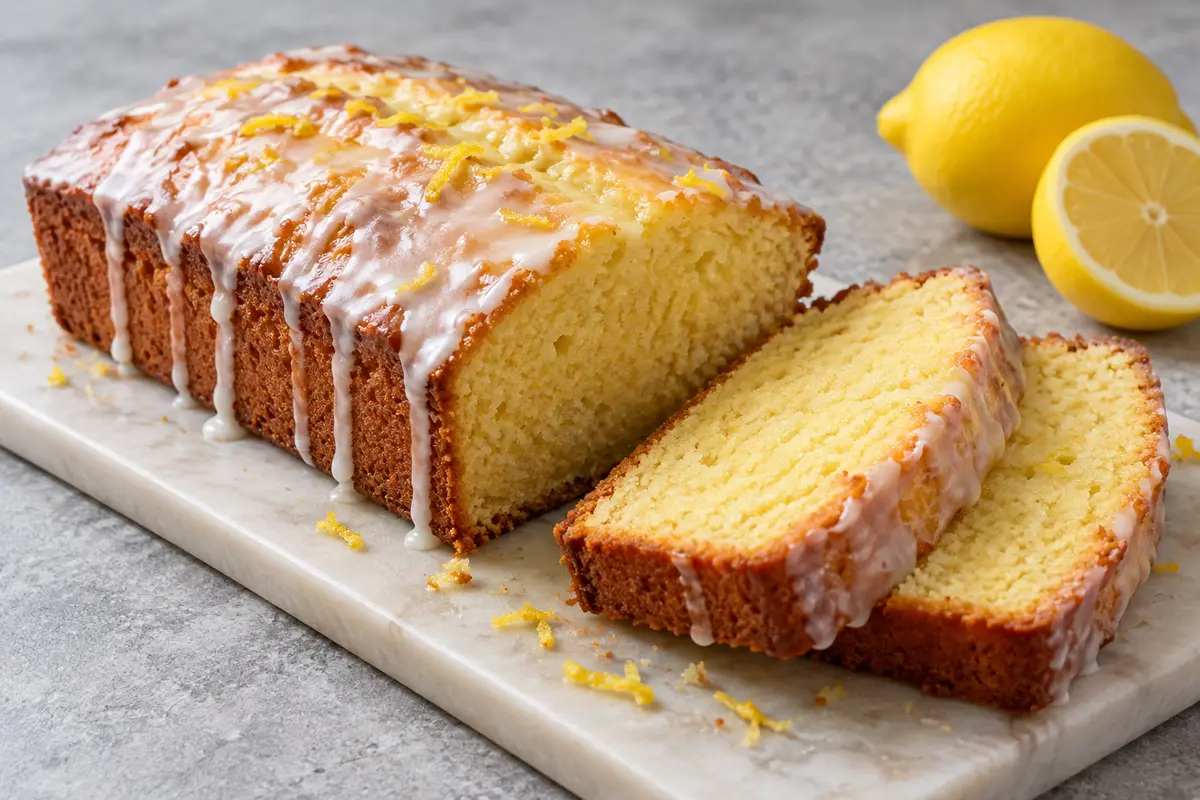
Cakes and bars often pull slightly from the pan; cookies set around the rim before the center. Color should match the recipe.
Check the surface
A cake may spring back lightly; bread crust should be developed. Avoid pressing a still-fluid center.
Use a tester thoughtfully
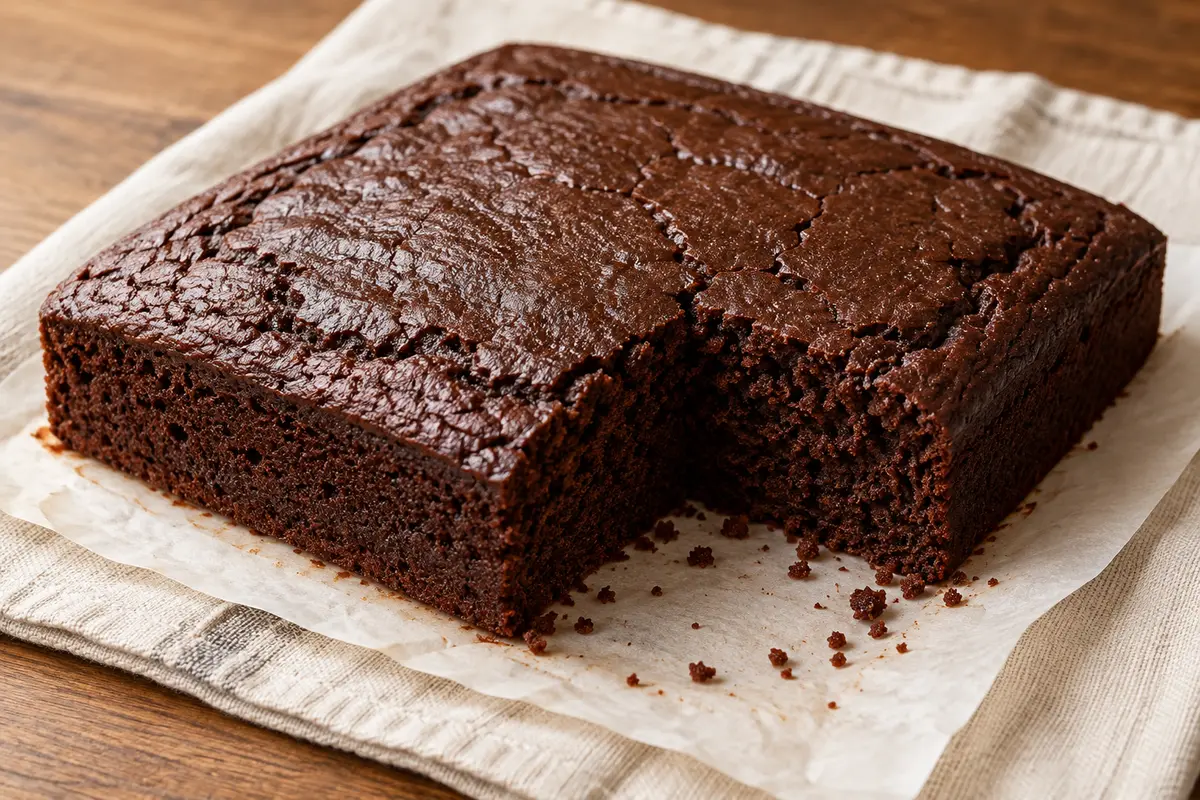
Insert in the intended location. Clean, moist crumbs, or wet batter mean different things depending on brownies versus cake.
Measure when helpful
A thermometer can confirm bread or custard ranges when the recipe provides them, but place it in the center without touching the pan.
Allow carryover and cooling
Remove when the structure is set as directed. Many bakes continue firming in the hot pan and should not be cut immediately.
What good progress looks like
Several cues agree: edges, center, tester, and optional temperature all indicate set structure without excessive dryness.
Common mistakes and a useful response
Browning alone can hide a raw center, especially in dark pans or hot ovens. Repeatedly opening the door lengthens baking and destabilizes batter.
A small practice exercise
Bake muffins and check one at the early time with appearance, touch, and a tester. Record which cue changed last.
Keep the exercise small enough that you can pay attention. Repeating one controlled action teaches more than changing several variables in a complicated meal.