What you will learn
Pair ingredients by cooking time and add them in stages instead of hoping everything finishes together. The goal is not merely to copy motions. You will learn why the sequence works, which clues matter, and what to change when your stove, pan, ingredient size, or timing differs.
Why it matters
Beginners are often given short instructions without the decisions behind them. This lesson turns the vague parts into actions you can observe and repeat, so an ordinary variation does not force you to guess.
What you need
Large rimmed sheet pan, bowl, spatula, and food thermometer if using meat.
Before you start
Heat the oven, dry ingredients, and keep raw protein preparation separate from ready-to-eat items. Use a clean utensil after raw contact.
Choose compatible ingredients
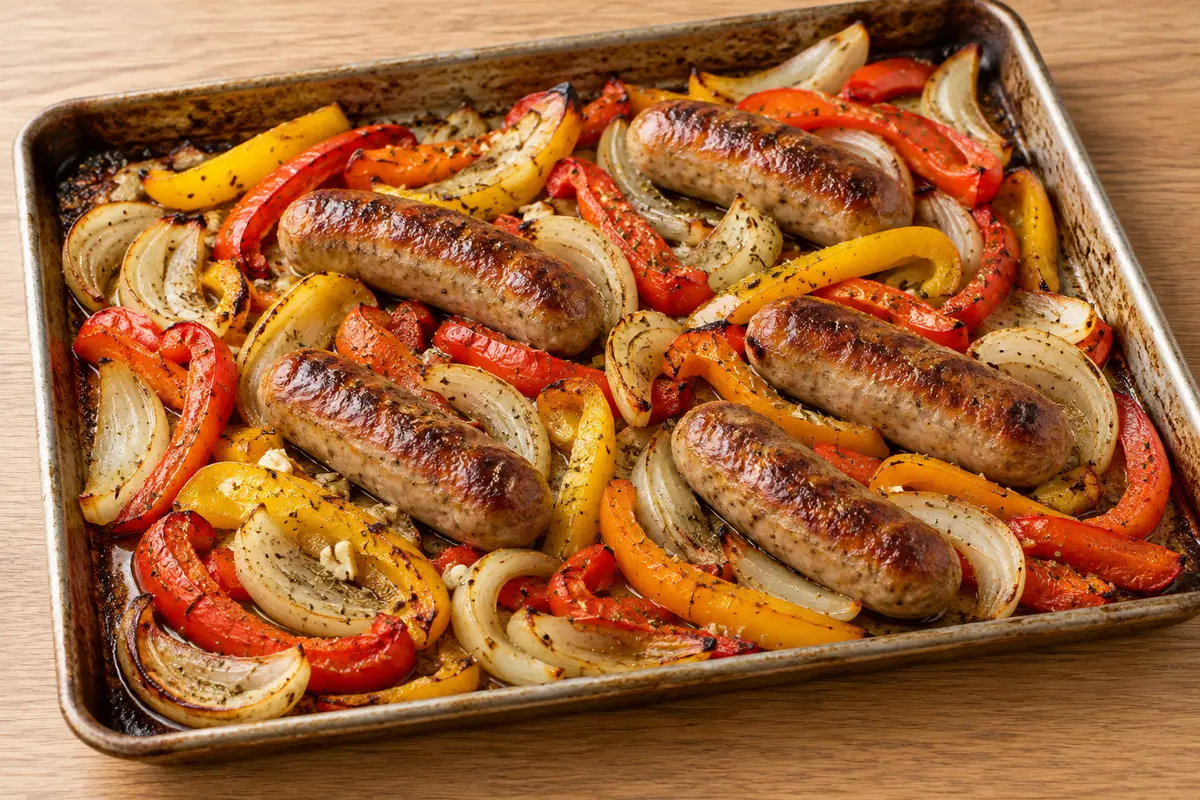
Pair a protein with vegetables that suit the same oven temperature. Dense roots may need smaller cuts or a head start.
Season in groups
Toss ingredients separately so each receives enough oil and salt. This also keeps raw-meat marinades away from vegetables that may finish earlier.
Start the slowest
Roast dense vegetables first when needed. Add quick vegetables or thin proteins later.
Leave room
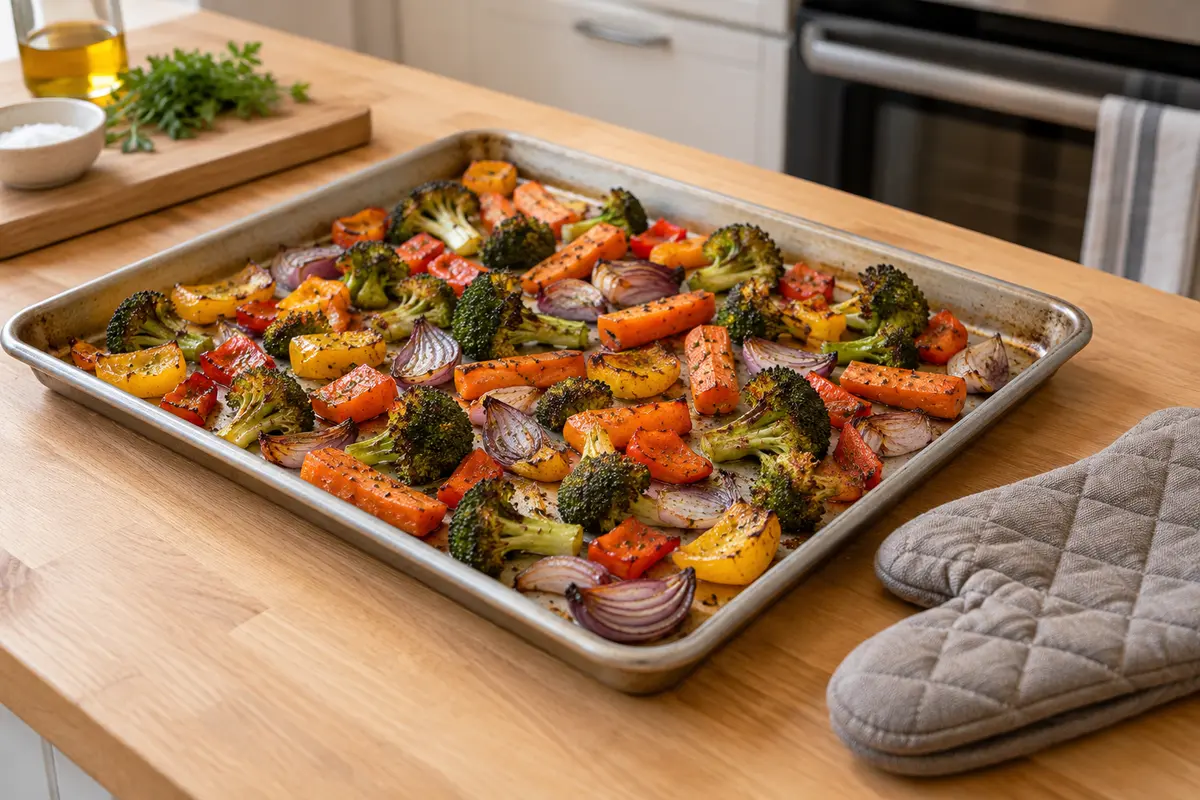
Use two pans if ingredients form a pile. Steam trapped between pieces prevents browning and can change timing.
Check separately
Test each vegetable for tenderness and each protein at its thickest point. Remove finished components rather than waiting for the slowest.
What good progress looks like
Vegetables brown instead of steaming, each component reaches its intended texture, and protein meets its safe internal temperature.
Common mistakes and a useful response
Putting raw chicken, broccoli, and tiny tomato pieces on one crowded tray at the same time produces uneven results and cross-contamination risks during removal.
A small practice exercise
Roast potatoes with green beans, giving the potatoes a 15-minute head start. Record when each becomes tender.
Keep the exercise small enough that you can pay attention. Repeating one controlled action teaches more than changing several variables in a complicated meal.