What you will learn
Use steady heat and a sensible cooking order instead of stirring everything constantly. The goal is not merely to copy motions. You will learn why the sequence works, which clues matter, and what to change when your stove, pan, ingredient size, or timing differs.
Why it matters
Beginners are often given short instructions without the decisions behind them. This lesson turns the vague parts into actions you can observe and repeat, so an ordinary variation does not force you to guess.
What you need
A wide skillet, spatula, oil, and prepared vegetables.
Before you start
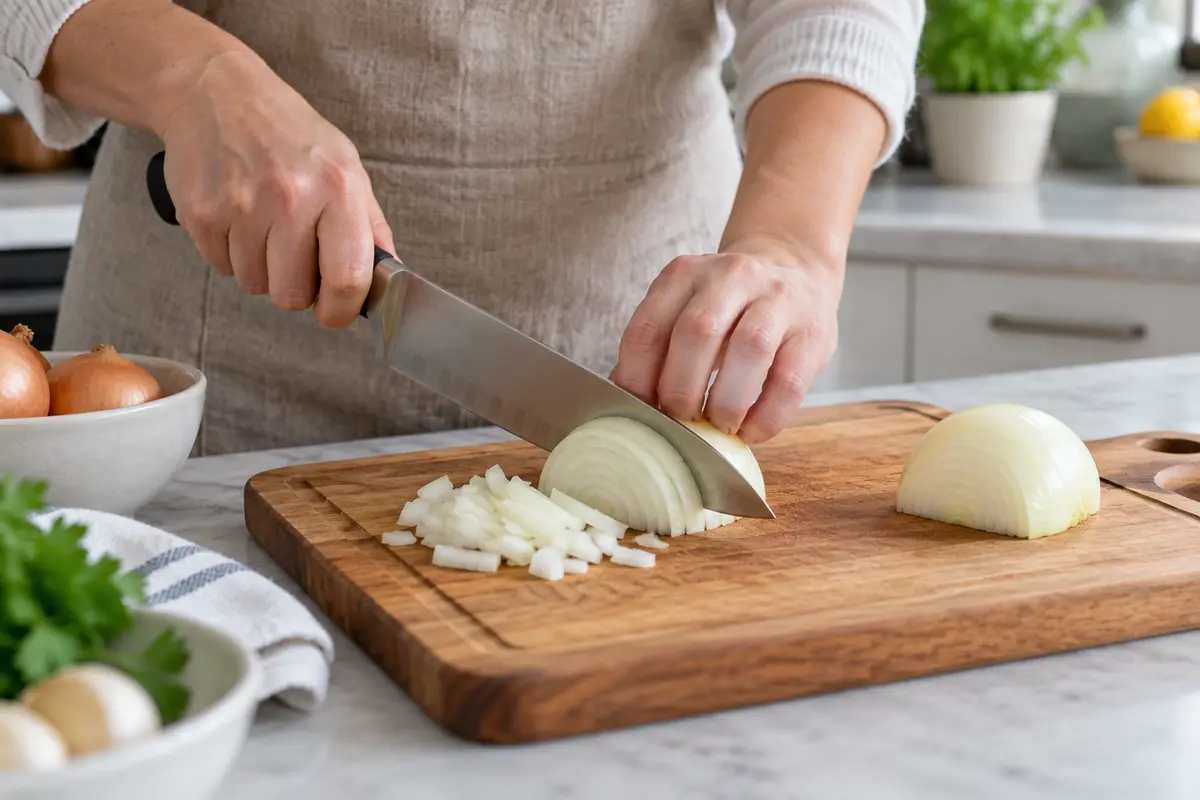
Dry vegetables and separate dense pieces, quick-cooking pieces, aromatics, and leafy greens so they can enter at different times.
Preheat moderately
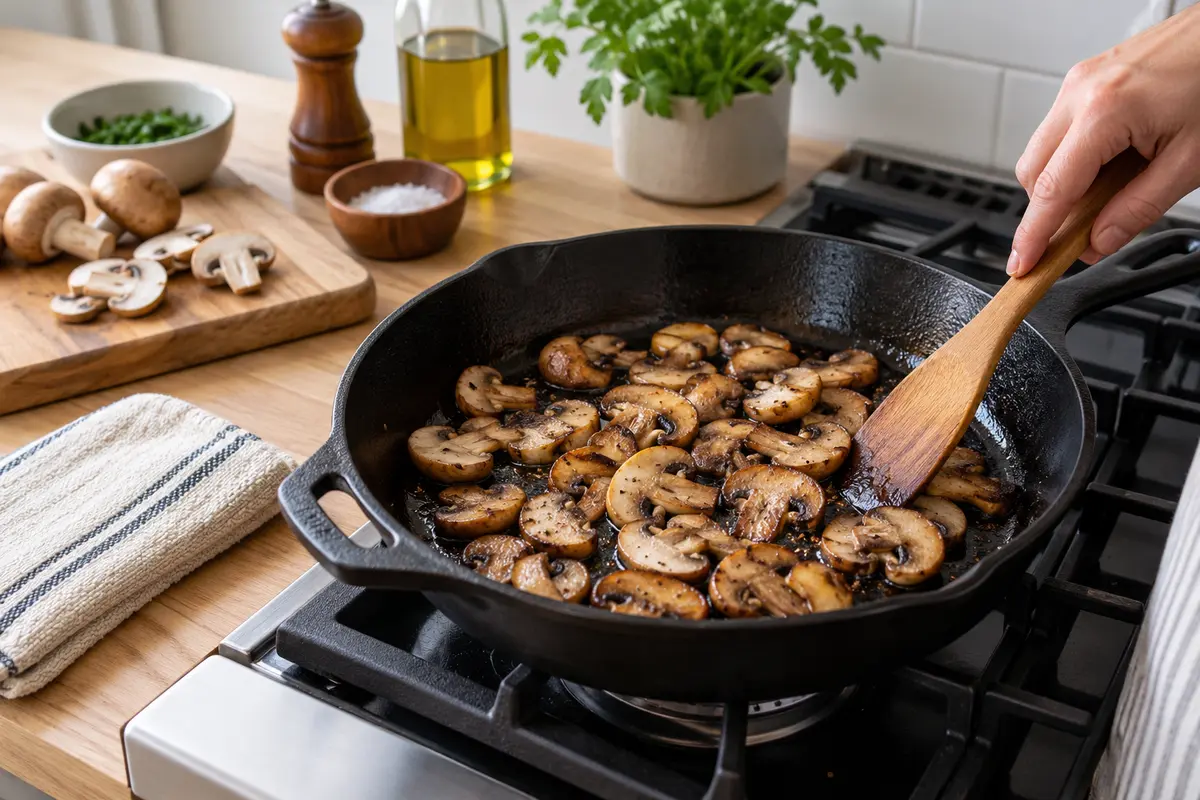
Warm the skillet over medium to medium-high and add a thin layer of oil. Add one piece to confirm a clear sizzle.
Start with the slow group
Add dense or firm vegetables first in a loose layer. Let them make contact before stirring.
Stir with a reason
Turn when the underside begins to color, then leave another surface against the pan. Constant motion slows browning.
Add delicate items later
Add garlic, tender greens, or fresh herbs when the harder vegetables are nearly ready so delicate flavors do not burn.
Finish and taste
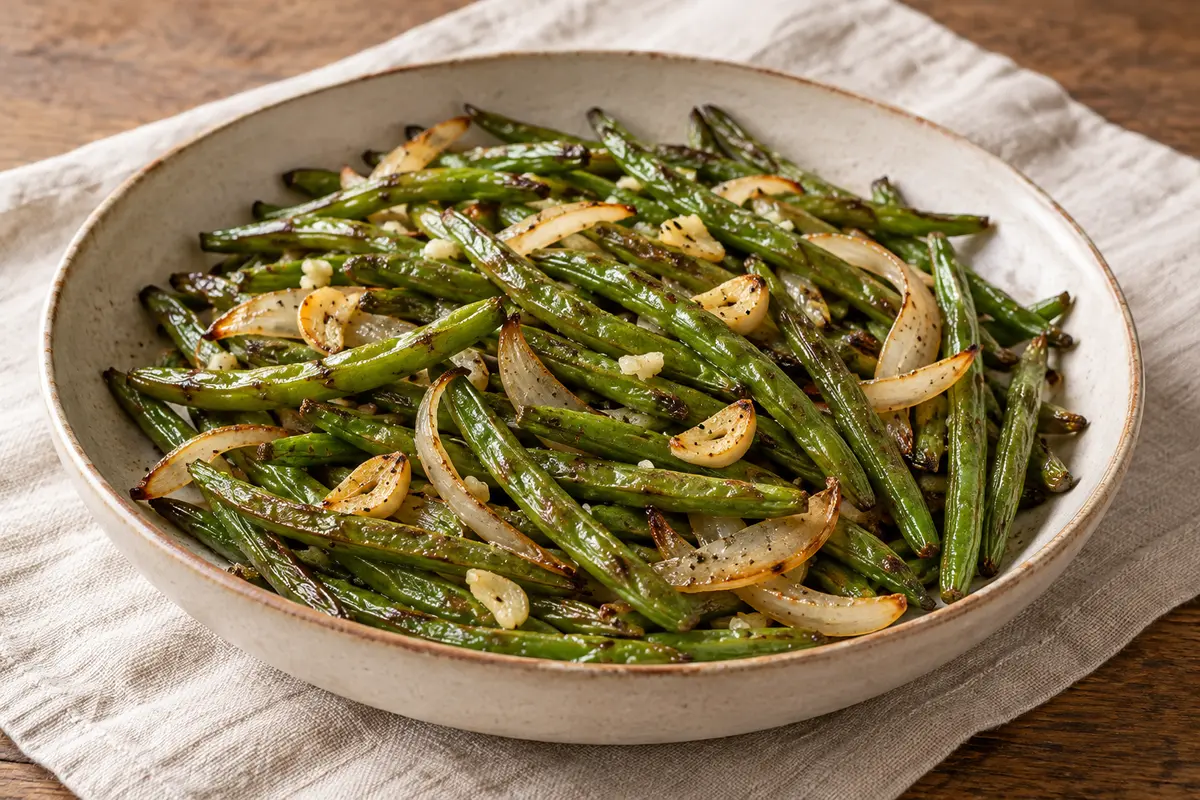
Stop when vegetables are tender to your liking but still lively in color. Add acid or a finishing seasoning after removing from intense heat.
What good progress looks like
You hear a steady sizzle, see scattered browned edges, and can pierce the densest pieces without every vegetable collapsing.
Common mistakes and a useful response
Crowding creates steam; high heat with large hard pieces burns the outside; adding garlic first often makes it bitter.
A small practice exercise
Sauté sliced bell pepper and onion, adding each according to the texture you want. Record when you added and stirred them.
Keep the exercise small enough that you can pay attention. Repeating one controlled action teaches more than changing several variables in a complicated meal.