What you will learn
Create room to work even when the counter is crowded or the kitchen is shared. The goal is not merely to copy motions. You will learn why the sequence works, which clues matter, and what to change when your stove, pan, ingredient size, or timing differs.
Why it matters
Beginners are often given short instructions without the decisions behind them. This lesson turns the vague parts into actions you can observe and repeat, so an ordinary variation does not force you to guess.
What you need
A cutting board, one scrap bowl, a tray or plate, and a clean towel.
Before you start
Clear one board-sized area and one safe landing place for a hot pan. Put pets, bags, and loose cords away from the traffic path.
Choose a home base
Keep the cutting board in one stable spot rather than carrying a knife and ingredients around the room. Place the recipe where splashes will not cover it.
Work in short rounds
Prepare the first ingredients a step needs, cook that stage, then clear and reset. You do not need every ingredient spread across the counter at once.
Use vertical and temporary space
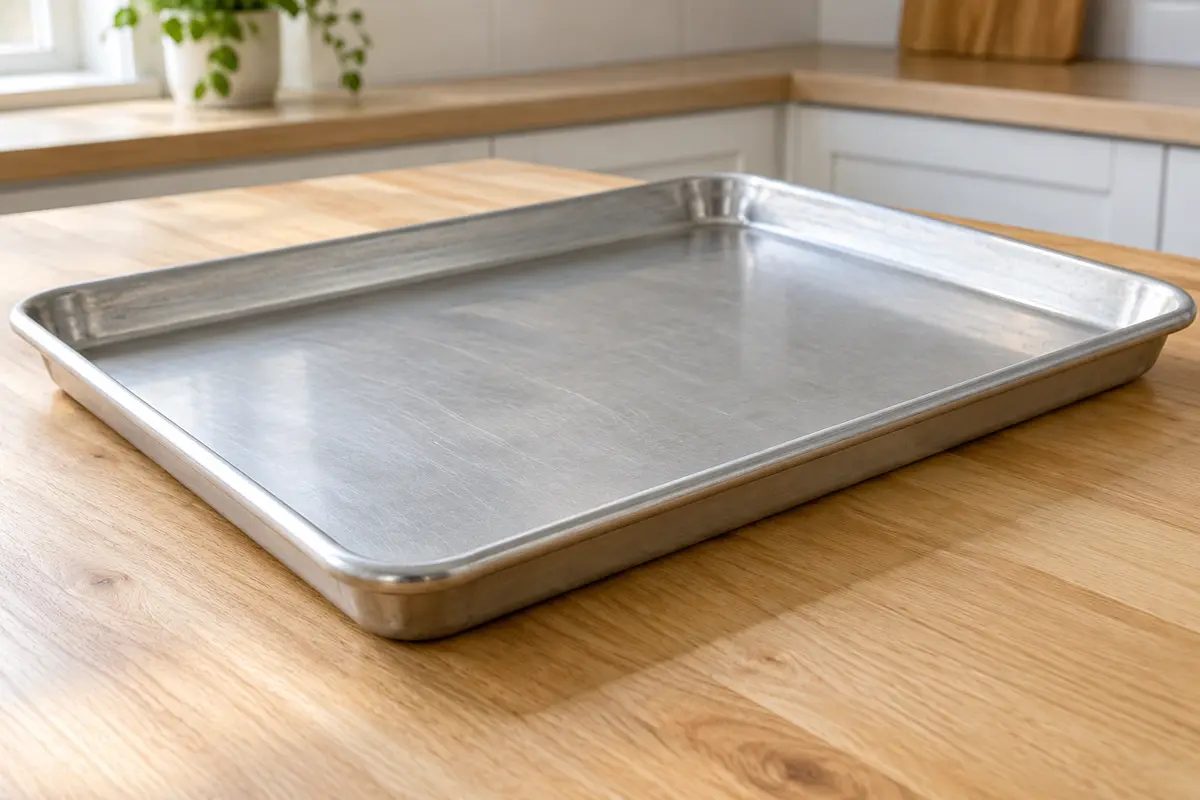
A rimmed tray can hold measured ingredients and move as one unit. Nest empty bowls and return pantry items as soon as you finish with them.
Control scraps
Place peels, wrappers, and trimmings in one bowl. This keeps the board usable and prevents an onion skin from sliding under a knife.
Protect the hot zone
Keep handles turned away from walkways and leave the stove-side landing area empty. Never balance a hot lid on top of food or packaging.
What good progress looks like
The board stays mostly clear, the next ingredient is easy to reach, and there is always somewhere safe to set a hot utensil or pan.
Common mistakes and a useful response
A crowded counter encourages rushed reaching and cross-contamination. Do not store raw-meat packaging beside washed produce or put a hot pan on a damp towel.
A small practice exercise
Prepare a simple sandwich or salad using only one board-sized area. Reset the space between preparation stages.
Keep the exercise small enough that you can pay attention. Repeating one controlled action teaches more than changing several variables in a complicated meal.