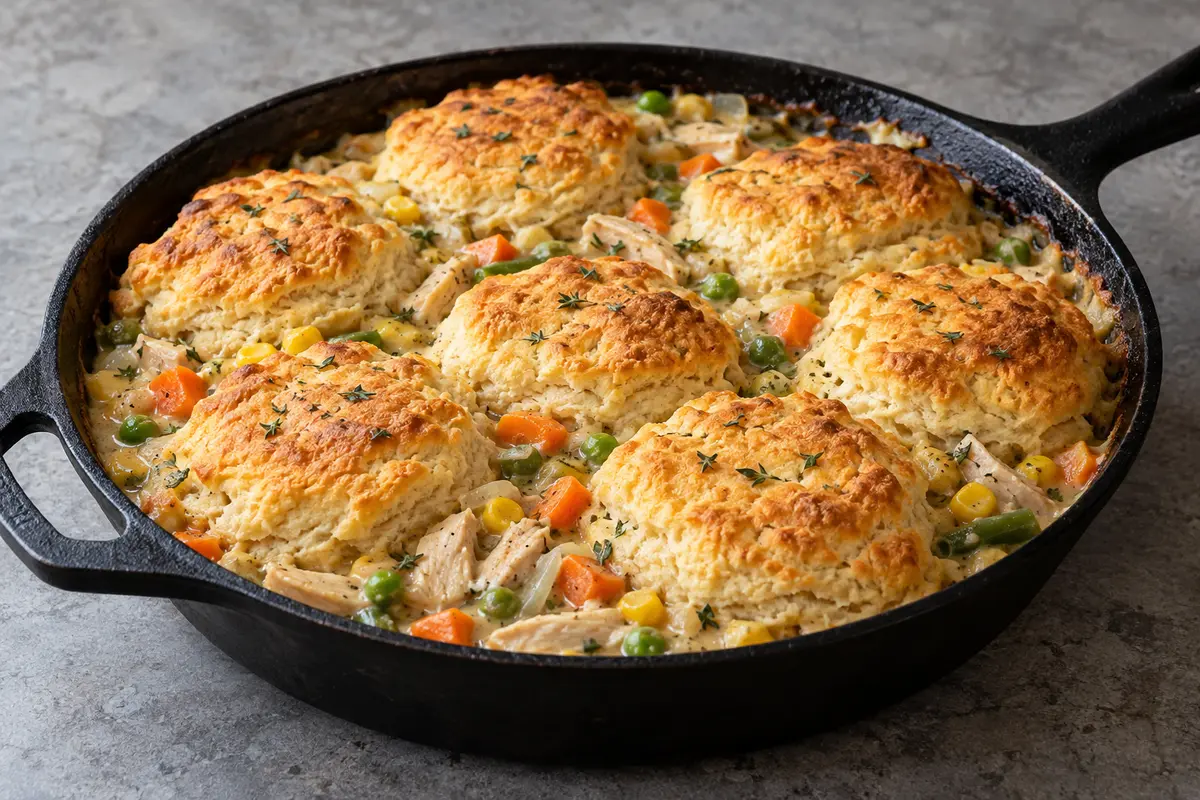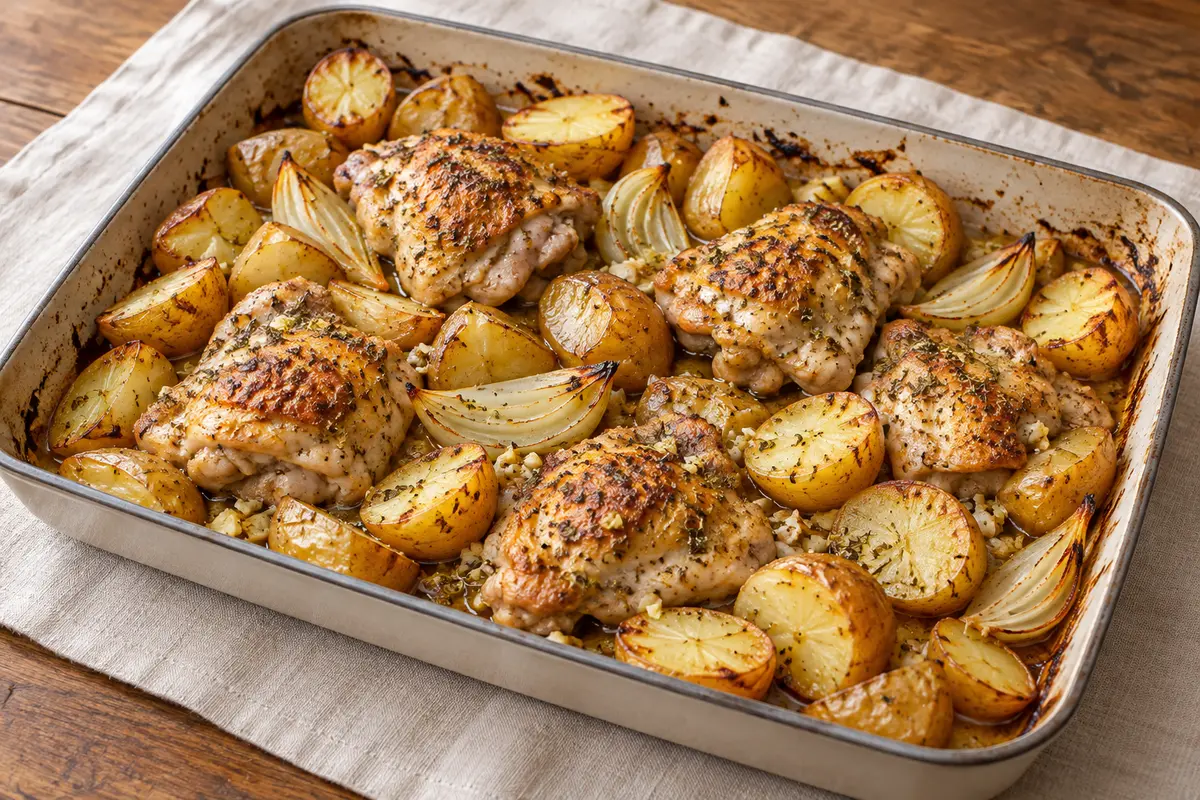
What you will learn
Work backward from serving and use holding strategies for flexible foods. The goal is not merely to copy motions. You will learn why the sequence works, which clues matter, and what to change when your stove, pan, ingredient size, or timing differs.
Why it matters
Beginners are often given short instructions without the decisions behind them. This lesson turns the vague parts into actions you can observe and repeat, so an ordinary variation does not force you to guess.
What you need
Recipe pages, paper or phone note, timer, and clock.
Before you start
Read every recipe completely. Include preheating, chopping, water coming to a boil, resting, and final seasoning in the timeline.
Set a serving target
Choose when you want to eat, then write that time at the bottom of the plan.
Identify the anchor
The longest or least flexible item—perhaps roast chicken or baked potatoes—sets the rest of the schedule.
Mark last-minute foods
Eggs, fish, toast, and dressed greens lose quality quickly. Place them close to serving.
Use safe holding windows
Rice can rest covered briefly; roasted vegetables may wait in a low oven; cooked perishable food still needs safe temperature and time control.
Add checkpoints
Set timers for starting, checking, and resting rather than only one final alarm. Cross off steps as they happen.
What good progress looks like
The anchor food rests while quick items finish, no burner needs three pans at once, and serving happens within the planned window.
Common mistakes and a useful response
Adding printed cook times without prep or preheat creates late meals. Keeping all food hot indefinitely damages quality and may create safety issues.
A small practice exercise
Plan pasta, salad, and garlic bread for a chosen time. Write exact start and finish times before cooking.
Keep the exercise small enough that you can pay attention. Repeating one controlled action teaches more than changing several variables in a complicated meal.