1. Set up a small, useful kit
Begin with tools that solve frequent jobs. Read the chef’s knife guide, skillet guide, saucepan guide, sheet-pan guide, and instant-read thermometer guide. Buy for the cooking you actually do, not for a universal checklist.
2. Learn the habits that make recipes easier
Work through read a recipe first, mise en place, stove heat settings, prevent cross-contamination, and use a food thermometer. These lessons help you organize, control heat, and judge doneness instead of racing the timer.
3. Cook five approachable recipes
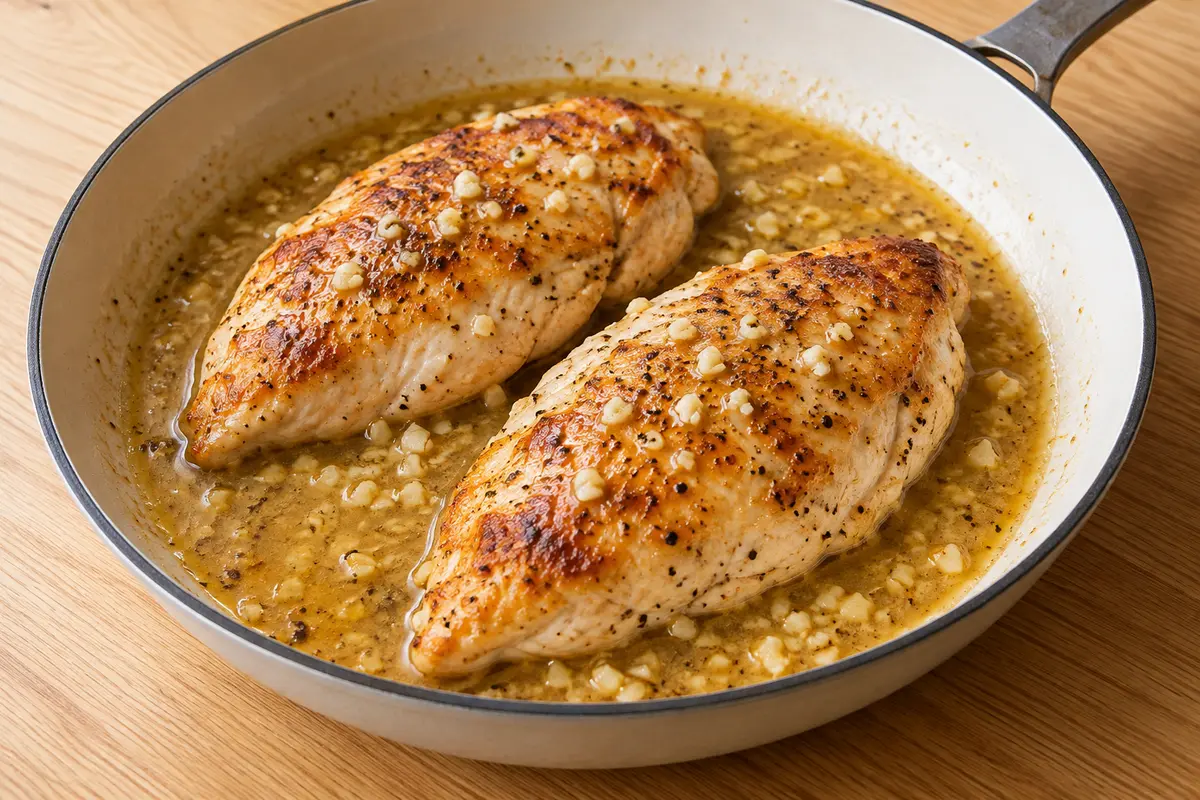
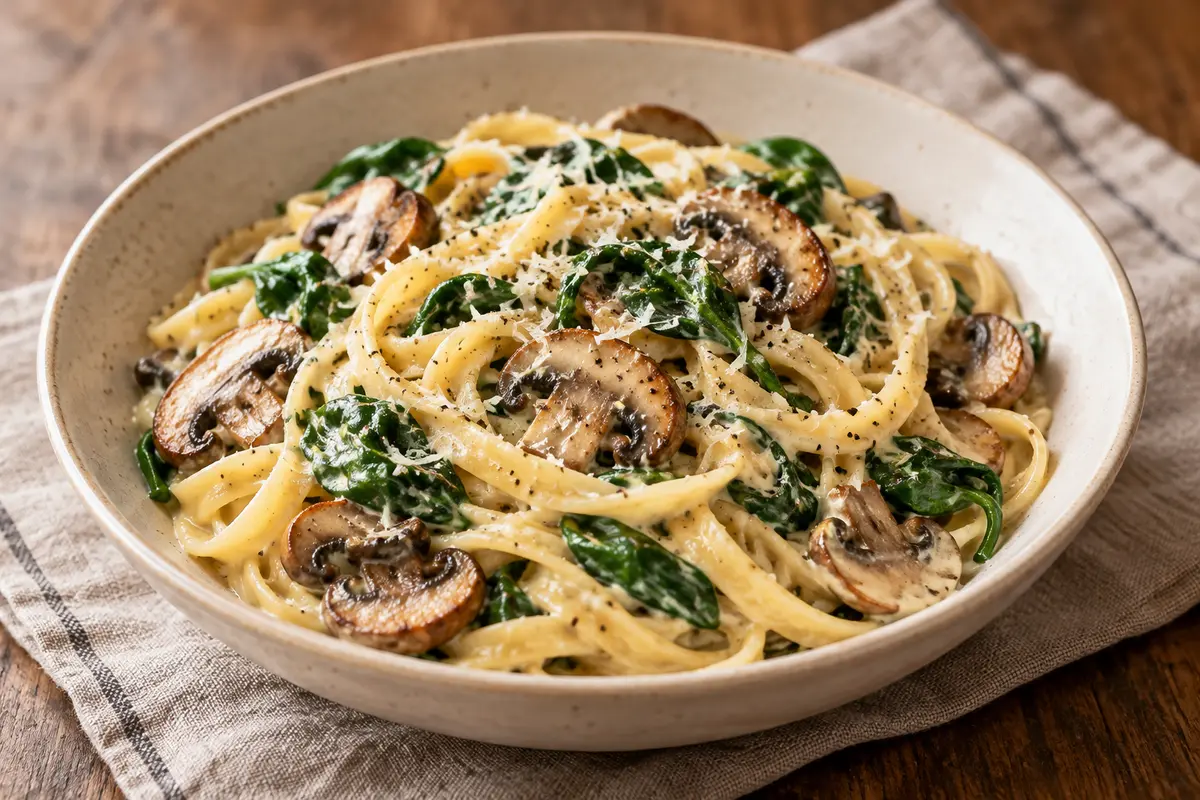
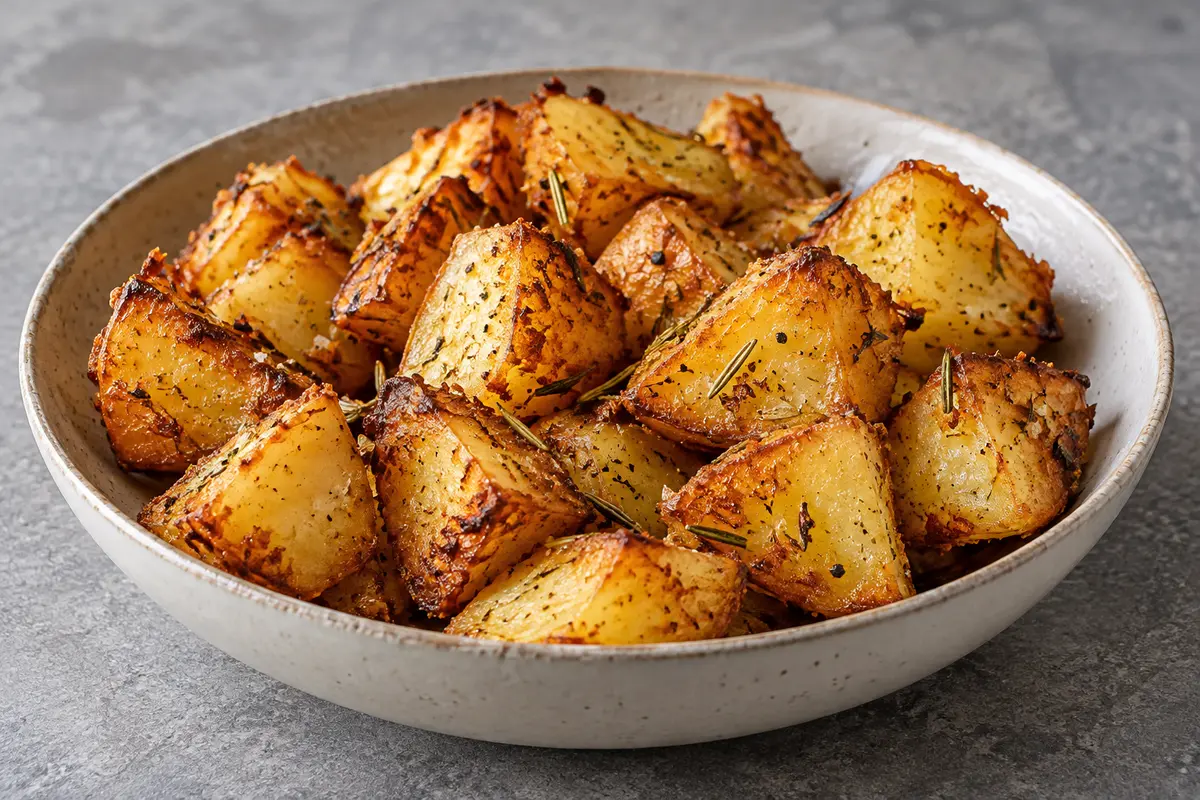
Start with pancakes, soup, a simple skillet dinner, pasta, and roasted potatoes. Together they practice measuring, simmering, safe protein cookery, sauce texture, and oven browning.